Anti-Stress Duck Transport: Precise Probiotic Schedule for Each Rearing Phase
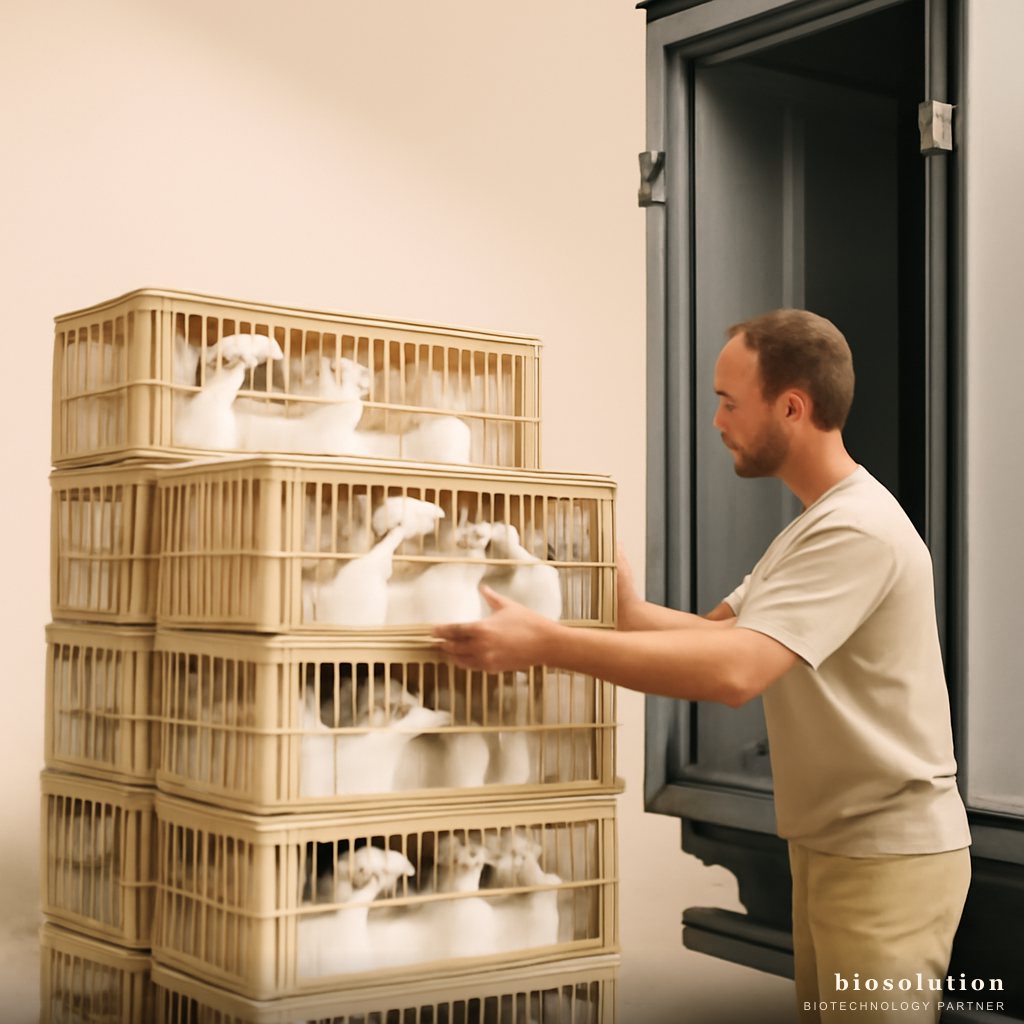
Transporting ducks from the rearing house to the production house or to a new location often triggers major stress that directly impacts performance. Add to that the challenge of feed transition, which drastically changes nutrient composition. Anti-stress duck transport is not just a necessity, but an investment to maintain productivity. With the right probiotic schedule, you can minimize the negative effects of oxidative stress and accelerate digestive tract adaptation. This article thoroughly discusses a scientifically proven probiotic schedule per rearing phase, using a special formula from Biosolution.
Why Transport Stress and Feed Transition Are Serious Problems
The duck transport process involves changes in temperature, humidity, vibration, and density that trigger an acute stress response. Physiologically, the duck's body releases cortisol hormone, which increases basal metabolism but also triggers free radical production. Oxidative stress then damages intestinal epithelial cells, reduces nutrient absorption, and weakens the immune system. As a result, ducks become susceptible to secondary infections, weight loss, and even sudden death.
Feed transition, for example from starter to grower or from grower to layer, also adds to the burden. The duck's digestive enzymes have not fully adapted to the new feed composition, causing gut dysbiosis. The combination of these two factors makes the 3–7 day period after transport and feed transition very critical. Without proper intervention, economic losses can reach 5–10% of the total population due to mortality and decreased egg production.
Probiotics as Natural Anti-Stress: Mechanism of Action
Probiotics, especially lactic acid bacteria such as Lactobacillus casei and Bacillus coagulans spores, work through several mechanisms to alleviate stress:
- Modulation of the gut-brain axis: Probiotics produce neurotransmitters like serotonin and GABA that help calm the nervous system.
- Improvement of gut barrier: By strengthening tight junctions, probiotics prevent translocation of pathogenic bacteria into the bloodstream.
- Activation of endogenous antioxidants: Some strains increase the activity of superoxide dismutase (SOD) and glutathione peroxidase enzymes.
- Competition with pathogens: Probiotics occupy gut receptors, inhibiting colonization by harmful bacteria.
Biosolution's Multiphase Anti-Stress Duck Formula combines heat-resistant Bacillus coagulans and Lactobacillus casei as immune modulators, plus a vitamin premix rich in antioxidants (vitamin C, E, and selenium). This combination not only addresses transport stress but also accelerates recovery after feed transition.
Probiotic Schedule for Anti-Stress Ducks per Rearing Phase
Probiotic administration should be adjusted to critical rearing phases. Here is a recommended schedule you can apply:
Pre-Transport Phase (D-3 to D-1)
Goal: Prepare the digestive tract and immune system before ducks are transported.
- Dosage: 2 ml per liter of drinking water.
- Frequency: Morning and afternoon.
- Duration: 3 days before transport.
- Why? Bacillus coagulans begins to form spores in the gut, while Lactobacillus casei increases mucosal IgA production. The vitamin premix replenishes antioxidant reserves to combat the surge of free radicals during transport.
Transport Phase (Transport Day)
On transport day, stress peaks. Ducks usually do not eat but still need hydration.
- Dosage: 2 ml per liter of drinking water (provided in water containers in the transport crate).
- Frequency: Once during loading, once during rest (if journey > 6 hours).
- Duration: Transport day only.
- Tips: Ensure water is clean and uncontaminated. For long journeys, spray probiotics onto wet feed as needed.
Post-Transport Phase (D+1 to D+5)
This is a critical recovery phase. Ducks begin to adapt to the new environment and new feed.
- Dosage: 2 ml per liter of drinking water.
- Frequency: Morning and afternoon.
- Duration: 5 consecutive days.
- Why? Lactobacillus casei helps suppress the growth of pathogenic bacteria that may enter through new feed. Bacillus coagulans ferments feed fiber into short-chain fatty acids (SCFAs) that nourish the colon. The vitamin premix accelerates regeneration of damaged intestinal cells.
Feed Transition Phase (When New Feed Is Introduced)
Feed transition should be done gradually (75% old feed + 25% new feed for 2 days, then 50:50, then 25:75). Along with this, give probiotics.
- Dosage: 2 ml per liter of drinking water.
- Frequency: Morning and afternoon.
- Duration: During the transition period (3–5 days).
- Why? Probiotics help digestive enzymes adapt to new substrates, reducing the risk of diarrhea and malabsorption.
Extreme Weather Phase (Heat Stress or Heavy Rain)
Extreme weather also triggers oxidative stress. Give probiotics as a preventive measure.
- Dosage: 2 ml per liter of drinking water.
- Frequency: Morning and afternoon.
- Duration: During the extreme weather period (3–5 days).
- Why? Vitamin C in the premix helps lower body temperature, while probiotics maintain stable appetite.
Case Study: Effectiveness of the Multiphase Anti-Stress Duck Formula
A trial on a layer duck farm in West Java showed that administering the Multiphase Anti-Stress Duck Formula for 5 days post-transport reduced mortality from 3.2% to 0.8%. Egg production recovered within 7 days, compared to 14 days in the control group. Farmers also reported firmer feces and faster return to normal appetite.
Other data from Biosolution's internal research (2024) showed that the combination of Bacillus coagulans and Lactobacillus casei increased macrophage phagocytosis activity by up to 40% in ducks experiencing transport stress. This proves that probiotics not only maintain gut health but also strengthen innate immunity.
Tips for Effective Probiotic Application
- Drinking water hygiene: Rinse water tanks daily to prevent biofilm that could inactivate probiotics.
- Do not mix with chlorine: If water contains high chlorine, let it sit for 30 minutes before adding probiotics.
- Timing: Morning (06:00-08:00) and afternoon (16:00-18:00) when ducks are actively drinking.
- Combine with management: Reduce stocking density, adjust ventilation, and provide feed gradually.
Conclusion
Anti-stress duck transport is non-negotiable. By applying the right probiotic schedule according to the rearing phase, you can reduce losses due to stress and feed transition. Biosolution's Multiphase Anti-Stress Duck Formula, containing Bacillus coagulans, Lactobacillus casei, and vitamin premix, is a practical solution that has proven effective. Start from the pre-transport phase to post-stress, and see the difference in your ducks' performance. For further consultation on dosage and schedule tailored to your farm conditions, contact Biosolution's technical team via WhatsApp. You can view Biosolution products on the product page or livestock solutions. Also read related articles on duck stress management for additional insights.