Anti Stress Duck Transport: Probiotics vs Antibiotics, Which is More Effective and Economical?
Transportation and feed transition are two of the most critical moments in the duck production cycle. The stress they cause not only suppresses the immune system but also reduces growth performance and egg production. Farmers often rely on antibiotics to overcome this problem, but high costs and the risk of antibiotic resistance drive the search for safer and more economical alternatives. Probiotics, especially Bacillus coagulans and Lactobacillus casei, emerge as an effective anti-stress solution for duck transport without side effects. This article will thoroughly examine the cost and effectiveness comparison between antibiotics and probiotics, and recommend the Multiphase Duck Anti-Stress Formula from Biosolution as a smart choice for modern farmers.
Why Are Transport and Feed Transition Stress Dangerous for Ducks?
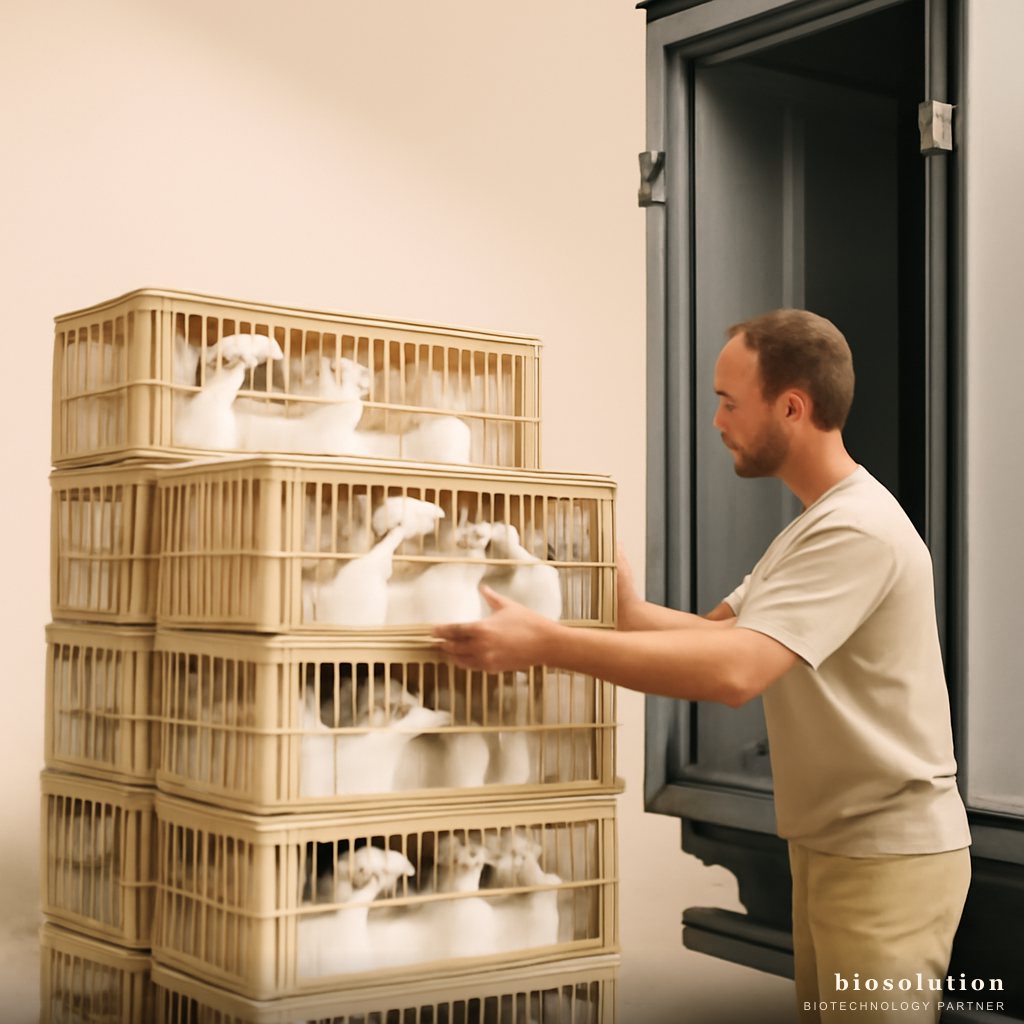
Stress in ducks should not be underestimated. During transportation, ducks experience changes in temperature, humidity, density, and vibration that trigger the release of cortisol hormone. This hormone suppresses the immune system, making ducks susceptible to bacterial and viral infections. Additionally, feed transition from starter to grower or layer also triggers stress due to changes in nutrient composition and feed texture. As a result, ducks experience diarrhea, decreased appetite, and stunted growth. In the long term, chronic stress can reduce egg production by up to 20% and increase mortality. Therefore, anti-stress management for duck transport and feed transition is key to the success of a duck farming business.
Antibiotics as Duck Anti-Stress: Costs and Risks
For decades, antibiotics have been the mainstay for farmers to overcome stress and prevent secondary infections. However, routine antibiotic use has consequences:
Direct Costs of Antibiotics
The price of oral antibiotics for ducks varies, averaging IDR 50,000–100,000 per liter of solution. The recommended dosage is usually 1 ml per liter of drinking water for 5 days. For 1,000 ducks drinking about 200 liters per day, the cost of antibiotics reaches:
- Price per liter: IDR 75,000 (average)
- Daily requirement: 200 ml (0.2 liters) → IDR 15,000
- Total for 5 days: IDR 75,000
However, this cost does not include losses due to antibiotic resistance and residues that can lower the selling price of ducks.
Risks of Resistance and Residues
Irrational antibiotic use triggers resistance in pathogenic bacteria. As a result, the same dose becomes ineffective, forcing farmers to use stronger and more expensive antibiotics. Worse, antibiotic residues in duck meat and eggs are harmful to consumers and can lead to export rejection. The government has also increasingly tightened the ban on using antibiotics as growth promoters (AGP) since 2018.
Probiotics as a More Economical Duck Anti-Stress Alternative
Probiotics offer a safer and more sustainable solution. Products like the Multiphase Duck Anti-Stress Formula from Biosolution contain Bacillus coagulans and Lactobacillus casei that work synergistically:
- Bacillus coagulans: The spores of this bacterium are heat and stomach acid resistant, able to reach the small intestine to produce lactic acid and enzymes. This helps suppress pathogenic bacteria and improve digestion.
- Lactobacillus casei: This lactic acid bacterium modulates the immune system by stimulating the production of IgA and regulatory T cells, making ducks more resistant to stress.
- Vitamin Premix: The content of vitamins C and E helps recover from oxidative stress that occurs during transportation.
Cost of Probiotics vs Antibiotics
The dosage of the Multiphase Duck Anti-Stress Formula is 2 ml per liter of drinking water, given in the morning and evening for 3–5 days. The price of this product is around IDR 50,000 per liter. For 1,000 ducks:
- Daily requirement: 200 liters x 2 ml = 400 ml (0.4 liters) → IDR 20,000
- Total for 5 days: IDR 100,000
At first glance, probiotics seem more expensive (IDR 100,000 vs IDR 75,000), but consider the long-term benefits:
- No risk of resistance, so effectiveness is maintained.
- No withdrawal period, so ducks can be marketed immediately.
- Improved feed efficiency (better FCR) because probiotics aid digestion.
- Reduced mortality and treatment costs for secondary infections.
When total production costs are calculated, probiotics are actually cheaper because they reduce losses due to stress. A study from Brawijaya University showed that adding probiotics to ducks experiencing transport stress reduced mortality by up to 50% and increased body weight by 5% compared to controls.
How Do Probiotics Work to Overcome Stress?
Probiotics not only replace the function of antibiotics but also strengthen the duck's natural defenses. Here is their mechanism of action:
1. Restoring Gut Microbiota Balance
Stress alters the composition of gut bacteria, increasing pathogens like E. coli and Salmonella. Probiotics like Lactobacillus casei produce lactic acid that lowers gut pH, inhibits the growth of harmful bacteria, and makes room for beneficial bacteria.
2. Enhancing Mucosal Immunity
Lactobacillus casei stimulates M cells in Peyer's patches to produce IgA. This immunoglobulin coats the intestinal surface, preventing pathogens from attaching and entering the bloodstream. In other words, ducks have a natural "shield" in their digestive tract.
3. Reducing Oxidative Stress
Vitamins C and E in the Multiphase Duck Anti-Stress Formula act as antioxidants that neutralize free radicals caused by stress. This helps body cells recover faster after transportation.
4. Improving Nutrient Absorption
Bacillus coagulans produces protease, amylase, and lipase enzymes that help digest feed. With better nutrient absorption, ducks retain energy to adapt to the new environment.
Tips for Anti-Stress Management of Duck Transport and Feed Transition
In addition to using probiotics, there are several practical steps you can take:
Before Transportation
- Ensure ducks are healthy and have had enough water.
- Give probiotics 2 days before transportation to prepare the gut.
- Adjust cage density to avoid overcrowding (standard 10–12 ducks/m² for adult ducks).
During Transportation
- Use a vehicle with good ventilation.
- Avoid travel during the hot midday; better in the morning or evening.
- Provide drinking water mixed with probiotics if the journey is more than 4 hours.
After Arriving at the New Cage
- Provide drinking water with probiotics immediately after ducks are unloaded.
- Do not give large amounts of feed immediately; give small amounts gradually.
- Monitor appetite and feces; if diarrhea occurs, continue probiotic administration for up to 5 days.
Feed Transition
- Mix old and new feed gradually over 3–5 days (e.g., 75:25, 50:50, 25:75).
- Ensure probiotics are given during the transition period to help digestive enzyme adaptation.
Testimonials and Supporting Data
Many farmers have switched to probiotics and experienced the benefits. Mr. Budi, a laying duck farmer in East Java, said that after using the Multiphase Duck Anti-Stress Formula, duck mortality after transport dropped from 5% to 1%. "Treatment costs also decreased drastically, and egg production remained stable," he said.
Data from internal Biosolution research shows that using probiotics in ducks experiencing transport stress can reduce blood cortisol levels by up to 30% and increase phagocytosis activity of white blood cells. This proves that probiotics are effective as an anti-stress for duck transport.
Conclusion
The cost and effectiveness comparison shows that probiotics, especially the Multiphase Duck Anti-Stress Formula, are a superior choice compared to antibiotics for overcoming transport and feed transition stress in ducks. Although the initial cost is slightly higher, the long-term benefits of reduced mortality, improved feed efficiency, and no risk of antibiotic resistance make it a more economical and sustainable solution.
Switch to probiotics now for healthier and more productive duck farming. For further consultation, contact the Biosolution team via WhatsApp or see the Multiphase Duck Anti-Stress Formula product on our website.
FAQ
Can probiotics completely replace antibiotics?
Yes, probiotics can replace the function of antibiotics as anti-stress and infection preventives, but not for treating severe diseases. For acute infection cases, antibiotics as prescribed by a veterinarian are still needed. Probiotics are more preventive and strengthen immunity.
How long does the effect of probiotics last after administration is stopped?
The effect of probiotics lasts about 3–5 days after administration is stopped, because probiotic bacteria are excreted with feces. Therefore, regular administration during critical periods (transportation, feed transition, extreme weather) is highly recommended.
Are probiotics safe for ducks of all ages?
Yes, probiotics are safe for ducks from DOC age to culling. The Multiphase Duck Anti-Stress Formula is specifically formulated for all phases, with adjusted dosages. Be sure to follow the instructions on the packaging.
How should probiotics be stored to remain active?
Store probiotics in a cool, dry place, away from direct sunlight. The ideal storage temperature is 15–25°C. After opening, use within 30 days to maintain the viability of Bacillus coagulans spores.
Are there any side effects of using probiotics?
Probiotics are very safe and have no serious side effects. At the beginning of administration, some ducks may experience increased gas production due to gut adaptation, but this is temporary and will disappear within 1–2 days.