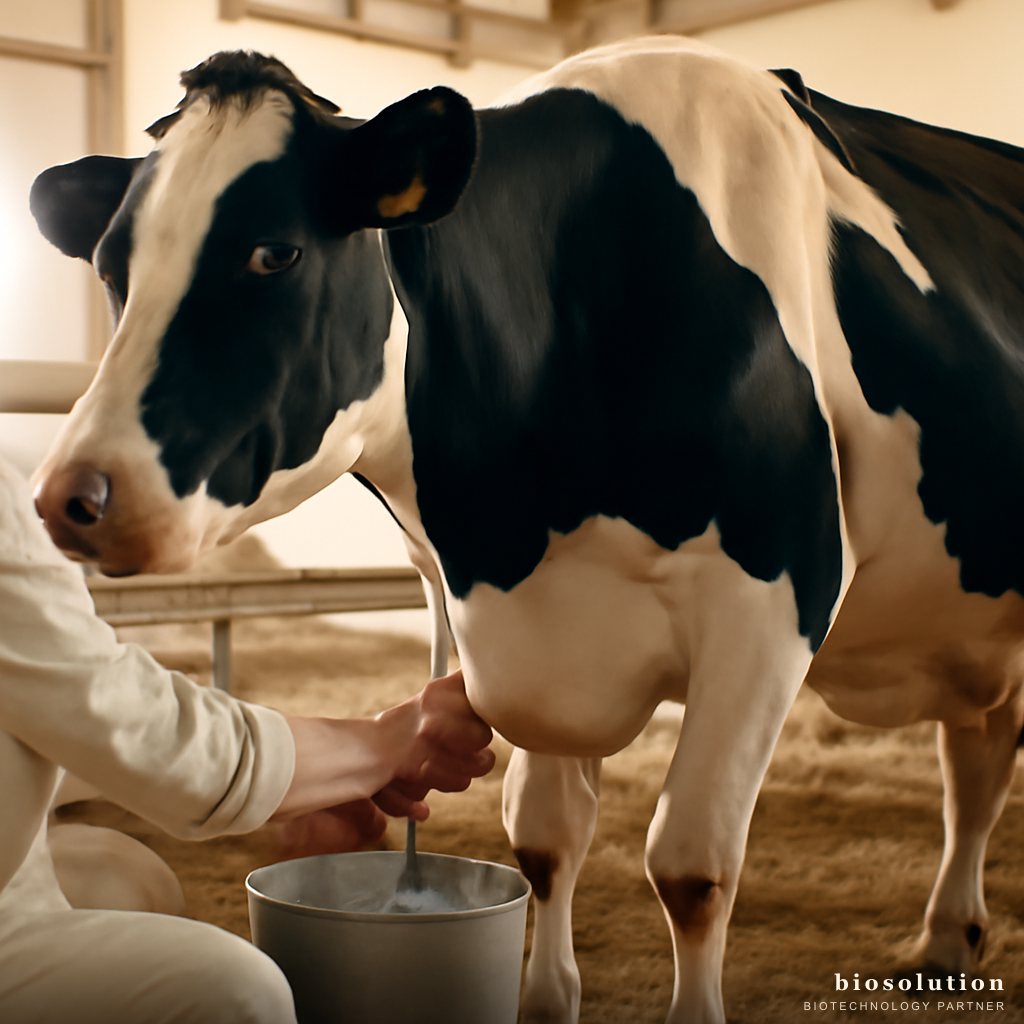
Dairy Cow Probiotics for Milk Production: Dosing Schedule per Maintenance Phase
Dairy cow probiotics are increasingly popular among modern farmers for their ability to boost milk production while maintaining livestock health. More than just a supplement, probiotics work naturally by balancing rumen and gut microbiota, optimizing nutrient absorption. However, many farmers are still confused about the best time to administer probiotics. This article will thoroughly discuss the dosing schedule for dairy cow probiotics per maintenance phase, complete with product recommendations for Biosolution's Dairy Cow Probiotic Formula, specially formulated to increase milk production and quality.
Why Are Dairy Cow Probiotics Important for Milk Production?
Probiotics are live microorganisms that provide health benefits to the host. In dairy cows, probiotics play a crucial role in maintaining rumen and gut microbiota balance. A healthy rumen ferments feed more efficiently, producing more volatile fatty acids (VFAs), which are the main energy source for cows. Sufficient energy is allocated for milk production. Additionally, probiotics help suppress the growth of pathogenic bacteria such as E. coli and Salmonella, which can cause digestive disorders.
Biosolution's Dairy Cow Probiotic Formula contains five superior strains: Lactobacillus acidophilus (rumen pH stabilization), Lactobacillus bulgaricus (fiber fermentation), Lactobacillus casei (anti-stress), Bacillus coagulans (cellulase enzyme), and Bifidobacterium sp. (gut microbiota stabilization). This combination has been scientifically proven to increase milk production by 5–8% and improve milk quality, especially fat and protein content. Additionally, probiotics help reduce the risk of mastitis and accelerate recovery after stress or illness.
Maintenance Phases and Probiotic Dosing Schedule
Each maintenance phase of dairy cows has different nutritional needs and health challenges. Therefore, the probiotic dosing schedule must be adjusted for maximum benefits. Here is a guide for the probiotic dosing schedule per phase:
Calf Phase (0–2 Months)
Calves are highly susceptible to digestive disorders such as diarrhea. Early probiotic administration helps build a healthy gut microbiota and strengthen the immune system. In this phase, the probiotic dose is 10 ml per head per day, given through milk or drinking water. The dominant strains are Lactobacillus acidophilus and Bifidobacterium sp., which help suppress pathogenic bacteria. Administration is done daily, preferably in the morning when calves are fed milk.
Heifer Phase (2–12 Months)
Heifers are in a growth and reproductive preparation period. Probiotics help improve feed efficiency and nutrient absorption. The dose is increased to 15 ml per head per day, mixed into the concentrate. The best time for administration is in the morning after forage feeding. Focus on Lactobacillus bulgaricus and Bacillus coagulans strains, which aid fiber fermentation and cellulase enzyme production.
Dry Period Phase (2 Months Before Calving)
The dry period is a rest period for the udder and preparation for the next lactation. Probiotics are given to maintain rumen health and prevent metabolic disorders such as acidosis. The dose returns to 20 ml per head per day, given daily via drench or mixed with concentrate. Lactobacillus acidophilus is crucial for stabilizing rumen pH, which often drops due to high-concentrate diets.
Early Lactation Phase (0–100 Days)
This is a critical phase for milk production. Cows require high energy, and probiotics help maximize feed conversion. The dose is 20 ml per head per day, given daily in the morning before milking. All strains work synergistically: Lactobacillus casei helps reduce lactation stress, while Bacillus coagulans produces enzymes to digest crude fiber. As a result, milk production increases and milk quality remains stable.
Late Lactation Phase (>100 Days)
In this phase, milk production naturally declines. Probiotics are still given to maintain cow health and prepare for the next dry period. The dose is 20 ml per head per day, with daily frequency. Morning administration is still recommended. Focus on Bifidobacterium sp. to maintain gut microbiota balance and prevent diarrhea.
Effective Probiotic Administration Techniques
For optimal probiotic performance, administration techniques must also be considered. Here are recommended methods:
Drench Method
Drenching is direct administration into the cow's mouth using a drench gun. This method ensures accurate dosage and direct entry into the rumen. Suitable for cows that are difficult to feed or under stress. Perform carefully to avoid choking.
Mixed with Concentrate
Probiotics are mixed into the concentrate or supplementary feed. Ensure even mixing and immediate feeding after mixing. This method is practical for large-scale farms. However, avoid mixing with feed containing antibiotics or other supplements that may inhibit probiotics.
Best Administration Time
Morning administration before milking is ideal. The cow's empty stomach allows probiotics to work directly without interference from other feed. Additionally, cooler environmental temperatures reduce stress on the microbes.
Real Impact of Probiotics on Milk Production and Quality
Consistent probiotic application has been proven to yield real results. Data from various trials show a 5–8% increase in milk production within 2–4 weeks of regular administration. Besides quantity, milk quality also improves, especially fat and protein content. This is due to increased fiber fermentation in the rumen, producing more acetate, a precursor of milk fat. Additionally, probiotics reduce somatic cell count (SCC) in milk, an indicator of low udder infection. Thus, mastitis risk decreases and milk meets quality standards.
Conclusion
Dairy cow probiotics are a long-term investment to increase milk production and livestock health. Administration tailored to the maintenance phase—from calves, heifers, dry period, to lactation—will yield optimal results. Biosolution's Dairy Cow Probiotic Formula with five superior strains is ready to help farmers achieve higher and better-quality milk production targets. For further consultation on dosing schedules suitable for your farm conditions, contact the Biosolution team via WhatsApp.
CTA: View Dairy Cow Probiotic Formula product or free consultation via WhatsApp.
This article is written based on product composition data and technical recommendations from Biosolution.