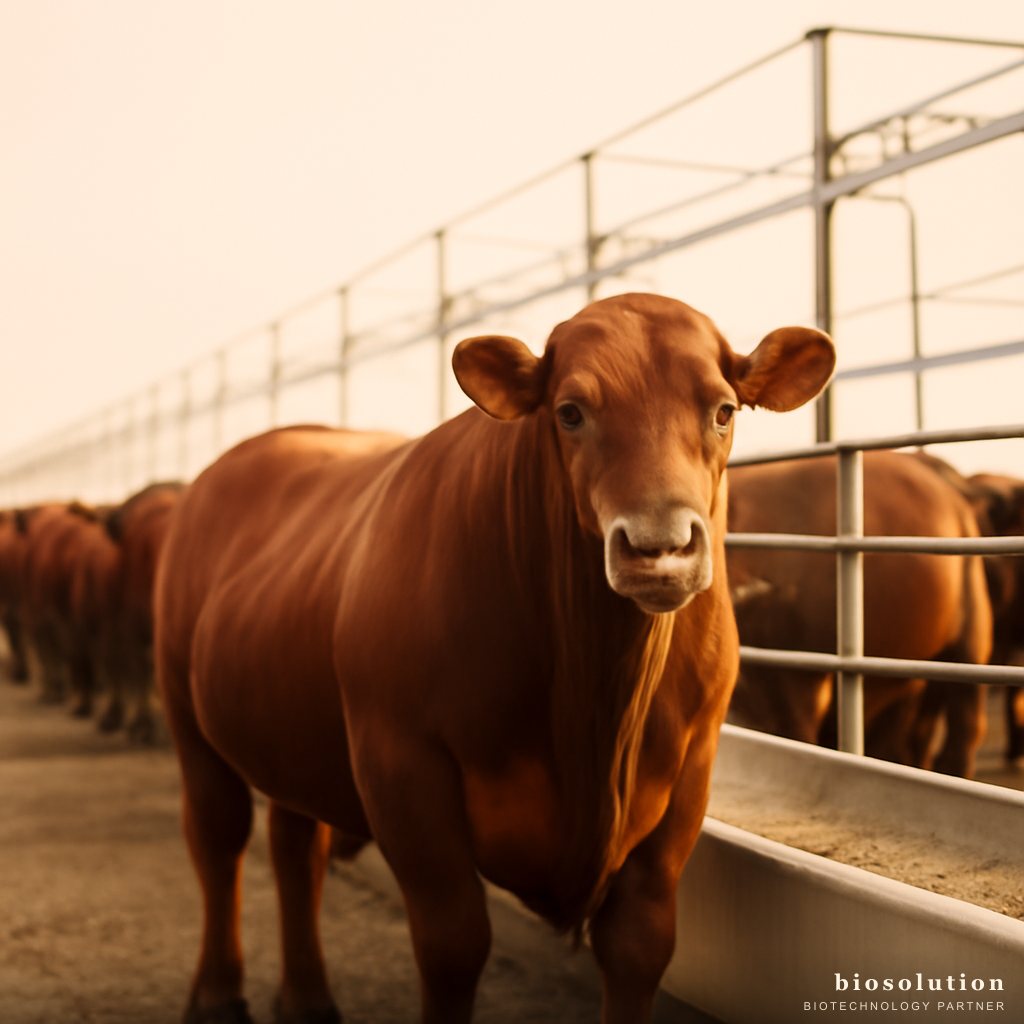
Feedlot Beef Cattle Probiotic ADG: Cost Solution vs Antibiotics
In the intensive feedlot industry, improving average daily gain (ADG) and feed efficiency (FCR) is key to profitability. For years, antibiotics have been the mainstay to achieve these targets. However, with increasing regulations and awareness of antimicrobial resistance, many farmers are turning to feedlot beef cattle probiotics for ADG and FCR as a safer and more sustainable alternative. This article will explore the cost comparison between antibiotics and probiotics, and how probiotics can provide added value without sacrificing performance.
Why ADG and FCR Matter in Feedlots?
ADG (average daily weight gain) and FCR (feed conversion ratio) are two key metrics that determine production efficiency. The higher the ADG and the lower the FCR, the faster cattle reach slaughter weight with minimal feed costs. In feedlots, feed is the largest cost component, accounting for 60-70% of total operating costs. Therefore, any improvement in feed efficiency directly impacts profitability.
Probiotics work by modulating the rumen and gastrointestinal microflora. Lactobacillus acidophilus helps stabilize rumen pH, reducing the risk of subclinical acidosis often seen in high-concentrate diets. Bacillus coagulans produces digestive enzymes such as amylase and protease, thereby improving feed digestibility. Meanwhile, Bacillus megaterium plays a role in mineral solubilization, particularly phosphorus, which is essential for bone growth and energy metabolism. Thus, probiotics not only improve ADG and FCR but also maintain overall animal health.
Cost Comparison: Antibiotics vs Probiotics
Direct Costs (Input)
Antibiotics such as monensin or tylosin are often used as growth promoters and disease preventatives. The price per daily dose varies, but averages around IDR 500 – IDR 1,000 per head per day. Meanwhile, Beef Cattle Probiotic Formula at a dose of 25 ml per head per day costs about IDR 300 – IDR 500 per head per day, depending on packaging and bulk purchase. In other words, probiotics can be 30-50% cheaper per day.
However, the comparison does not stop at input price. Effectiveness must also be considered. Antibiotics typically provide a 3-5% increase in ADG and a 2-4% improvement in FCR. Meanwhile, probiotics have been shown to increase ADG by 8-12% and improve FCR by 5-8% (data from Biosolution internal trials and field studies). Calculated in rupiah, a 10% increase in ADG for cattle with a target slaughter weight of 400 kg over 100 days means an additional 40 kg per head. At a selling price of IDR 50,000/kg, additional revenue reaches IDR 2,000,000 per head. On the other hand, the cost of probiotics over 100 days is only about IDR 30,000 – IDR 50,000 per head. The return on investment (ROI) is very clear.
Indirect Costs (Health & Management)
Antibiotics carry risks of bacterial resistance, residues in meat, and negative impacts on rumen microflora. Long-term antibiotic use can trigger dysbiosis and reduce cattle immunity. Consequently, farmers may incur additional costs for treating secondary diseases. Moreover, regulations such as the ban on antibiotic growth promoters in many countries (including Indonesia, which is beginning to restrict them) may force farmers to seek alternatives.
Probiotics leave no residues, do not cause resistance, and actually strengthen natural microflora. By reducing the incidence of subclinical acidosis, probiotics lower treatment costs and mortality. According to a study in the Journal of Animal Science, cattle given probiotics had 20-30% fewer digestive disease incidents. This translates to savings on veterinary and medication costs.
Case Study: Effects on FCR and ADG
In a trial at a feedlot in East Java, 200 beef cattle were divided into two groups: one received standard feed + antibiotic (monensin), the other received standard feed + Beef Cattle Probiotic Formula. After 90 days, the probiotic group showed:
- ADG: 1.25 kg/day vs 1.15 kg/day (8.7% increase)
- FCR: 6.8 vs 7.2 (5.6% improvement)
- Feed cost per kg weight: IDR 34,000 vs IDR 36,000 (savings of IDR 2,000/kg)
Assuming 1,000 head per cycle, feed cost savings reach IDR 80 million per cycle (800 kg weight x IDR 2,000). This does not include potential additional revenue from higher weight.
Other Advantages of Probiotics: Carcass Quality and Sustainability
Beyond ADG and FCR, probiotics also impact carcass quality. Bacillus megaterium increases mineral availability, especially phosphorus and calcium, which are important for muscle and bone growth. The result is a higher carcass percentage and better marbling. Environmentally, probiotics reduce methane and ammonia emissions from manure due to more efficient rumen microbes. This aligns with the trend toward sustainable livestock farming.
Effective Probiotic Application Methods
Beef Cattle Probiotic Formula is applied by mixing 25 ml per head per day into the concentrate or via drench in the morning. Consistency is key: administer daily to maintain probiotic populations in the digestive tract. For optimal results, combine with good feed management and clean drinking water.
Conclusion
The cost comparison between antibiotics and probiotics shows that probiotics are not only cheaper in input but also provide higher ROI through 8-12% ADG improvement and 5-8% FCR improvement. Coupled with health benefits, carcass quality, and sustainability, probiotics are a smart choice for modern feedlots. For further consultation on dosage and application, contact the Biosolution technical team via WhatsApp.
FAQ
Are probiotics safe to use together with antibiotics?
Yes, probiotics can be used together with antibiotics, but it is best to administer them 2-3 hours apart to avoid direct interaction. Probiotics help restore gut microflora disrupted by antibiotics, thereby reducing side effects such as diarrhea. Consult a veterinarian for the appropriate regimen.
How long does it take to see ADG results?
ADG improvement is usually seen within 2-4 weeks of consistent probiotic administration. Initial effects may include increased appetite and more normal feces. Significant ADG improvement (8-12%) is generally achieved after 60-90 days of use.
Do probiotics cause decreased appetite?
No. Probiotics actually increase appetite by improving digestive health. Lactobacillus acidophilus and Bacillus coagulans help digest feed more efficiently, making cattle feel more comfortable and tend to consume more feed.
How should liquid probiotics be stored?
Store liquid probiotics in a cool place (15-25°C) and avoid direct sunlight. Do not freeze. After opening, use within 30 days to maintain bacterial viability. Shake before use.
Can probiotics be mixed with concentrate feed?
Yes, probiotics can be mixed with concentrate. Ensure even mixing and administer immediately after mixing. Do not mix with feed containing high temperatures (>40°C) or harsh chemicals that can kill probiotic bacteria.