Garut Sheep Probiotics: An Economical Antibiotic Alternative for More Efficient Fattening
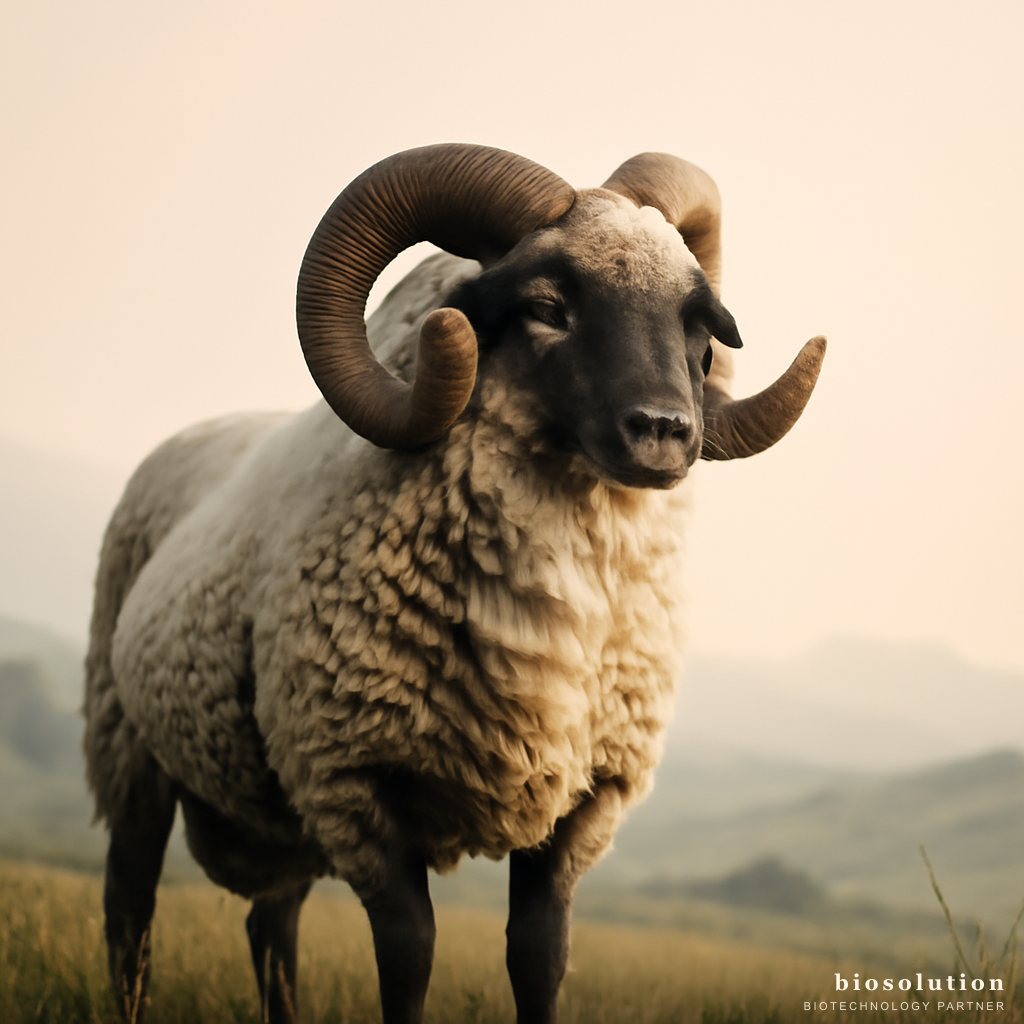
Garut sheep and local Indonesian sheep farmers often face a dilemma between maintaining livestock health and reducing production costs. For years, antibiotics have been the mainstay for preventing disease and accelerating growth. However, the high cost of antibiotics, the risk of resistance, and consumer demand for residue-free meat have driven the need for safer and more economical alternatives. Garut sheep probiotics offer a microbiology-based solution that not only reduces costs but also naturally boosts productivity. This article thoroughly examines the cost comparison between using antibiotics and probiotics in sheep, particularly for fattening, and explains why the probiotic formula containing Lactobacillus acidophilus, Bacillus subtilis, and Bacillus megaterium is a smart choice for modern farmers.
Why Are Garut Sheep Probiotics More Economical than Antibiotics?
Direct Costs: Price per Dose
Commercial antibiotics for sheep, such as oxytetracycline or tylosin, are typically priced at IDR 50,000–100,000 per injection dose (single use). For a 3-month fattening period, farmers need at least 3–5 injections, totaling IDR 150,000–500,000 per head. This does not include additional costs for dewormers and vitamins. In contrast, the Fattening Sheep Probiotic Formula at a dose of 8 ml per head per day costs only about IDR 15,000–20,000 per head per month. Over 3 months, the total probiotic cost is only IDR 45,000–60,000 per head. This means probiotics can save up to 70% on livestock health expenses.
Indirect Costs: Productivity and Health
While antibiotics are effective at controlling infections, they do not provide long-term immune system benefits. After discontinuation, sheep are susceptible to illness again. Probiotics work by strengthening the gut microflora, improving nutrient absorption, and stimulating natural immunity. Data from probiotic formula trials show a 10–15% increase in Average Daily Gain (ADG) in Garut sheep. With an initial ADG of 150 grams/day, a 15% increase means an additional 22.5 grams/day. Over 90 days, the extra weight gain reaches 2.025 kg per head. At a live sheep price of IDR 60,000/kg, the additional revenue is IDR 121,500 per head. In comparison, antibiotics do not provide significant ADG improvement and may even lead to resistance, which increases future treatment costs.
The Scientific Mechanism Behind the Effectiveness of Garut Sheep Probiotics
Role of Lactobacillus acidophilus in Rumen Health
Lactobacillus acidophilus is a lactic acid bacterium that lowers rumen pH, inhibits the growth of pathogens such as E. coli and Salmonella, and increases the population of cellulolytic bacteria. As a result, feed fiber is more easily digested, volatile fatty acid (VFA) production increases, and more energy is available for growth. In Garut sheep, which are often fed low-quality forage, L. acidophilus supplementation helps maximize the nutritional value of feed.
Synergy of Bacillus subtilis and Bacillus megaterium
Bacillus subtilis produces protease, amylase, and cellulase enzymes that help digest protein, carbohydrates, and fiber. Additionally, B. subtilis produces antimicrobial compounds such as subtilin that suppress pathogenic bacteria. Meanwhile, Bacillus megaterium plays a role in phosphate solubilization, making phosphorus more available for bone formation and energy metabolism. The combination of these three strains in the Fattening Sheep Probiotic Formula creates optimal synergy to improve feed efficiency and sheep growth.
Case Study: Cost Comparison in Garut Sheep Farms
Farm A: Using Antibiotics
Farm A in Garut raises 50 male Garut sheep with a 3-month fattening system. They use injectable antibiotics monthly (3 times) and dewormers every 2 months. Cost per head: antibiotics IDR 100,000 x 3 = IDR 300,000, dewormer IDR 20,000 x 1.5 = IDR 30,000, total IDR 330,000. Average ADG 150 grams/day, final weight 40.5 kg. Revenue from 50 heads: 50 x 40.5 kg x IDR 60,000 = IDR 121,500,000. Feed and other maintenance costs (including labor) IDR 80,000,000. Gross profit: IDR 41,500,000. Health costs IDR 16,500,000 (50 heads x IDR 330,000), accounting for 40% of total non-feed costs.
Farm B: Using Probiotics
Farm B with the same scale uses the Fattening Sheep Probiotic Formula at 8 ml/head/day for 90 days. Probiotic cost: 8 ml x IDR 200/ml x 90 days = IDR 144,000 per head (or IDR 7,200,000 for 50 heads). No routine antibiotics or dewormers needed. ADG increases by 15% to 172.5 grams/day, final weight 46.575 kg per head. Revenue: 50 x 46.575 kg x IDR 60,000 = IDR 139,725,000. Feed and other maintenance costs IDR 80,000,000. Gross profit: IDR 59,725,000. Health costs only IDR 7,200,000, or 12% of total non-feed costs. Net profit is IDR 18,225,000 higher than Farm A.
Practical Application Methods for Fattening Sheep Probiotics
Drench or Mix with Concentrate
The fattening sheep probiotic formula can be applied in two ways: drench (administered directly into the mouth using a syringe without a needle) or mixed into the concentrate. The dose of 8 ml per head per day is given in the morning before the main feeding. Ensure the probiotic is evenly mixed if added to concentrate, and the concentrate is consumed within 1-2 hours to maintain bacterial viability. For sheep new to probiotics, the dose can be gradually increased over 3-5 days.
Feed and Environmental Management
Probiotics work optimally when supported by quality feed and good pen management. Ensure sheep receive fresh forage and concentrate with 14-16% protein content. Drinking water should be available ad libitum. Pen cleanliness is also important to reduce pathogen pressure. With a combination of probiotics and good management, farmers can maximize ADG and reduce treatment costs.
Conclusion
Garut sheep and local Indonesian sheep probiotics have proven to be more economical than antibiotics for fattening. With 70% lower costs, probiotics can increase ADG by 10–15%, reduce mortality, and produce healthier carcasses. The probiotic formula containing Lactobacillus acidophilus, Bacillus subtilis, and Bacillus megaterium is a safe and effective natural solution. For optimal results, apply according to the recommended dosage and schedule. Interested in trying? Consult your farm's needs via WhatsApp or see the Fattening Sheep Probiotic Formula product for more information.
FAQ
What is the main difference between probiotics and antibiotics for sheep?
Probiotics are live microorganisms that benefit gut health and enhance natural immunity, while antibiotics kill pathogenic bacteria but also harm beneficial bacteria and cause resistance. Probiotics leave no residue in meat, are safer, and are cheaper in the long run.
What is the correct probiotic dosage for Garut sheep?
The recommended dosage is 8 ml per head per day, given in the morning via drench or mixed with concentrate. Ensure the probiotic bacteria remain viable by not mixing with hot water or feed containing antibiotics.
Can probiotics completely replace dewormers?
Probiotics help improve resistance to worm parasites but do not completely replace dewormers. Regular probiotic use can reduce the frequency of deworming, but monitoring and treatment are still necessary if infection is severe.
How long does it take to see results from probiotics?
Improvements in appetite and feces are usually seen within 3-7 days. Increased ADG can be observed after 2-4 weeks of regular use. For maximum results, use probiotics for at least 2-3 months.
Are probiotics safe for pregnant sheep?
Yes, probiotics are safe for pregnant sheep and even help reduce stress and improve nutrient absorption for both the mother and fetus. However, consult a veterinarian for special conditions.