Integrated Poultry Biosecurity with Probiotics: Towards Antibiotic-Free Farming
Integrated poultry biosecurity with probiotics is a holistic approach that integrates disease prevention measures with gut health optimization through beneficial microorganisms. In an era of farming increasingly demanding food safety and antibiotic-free residues, this strategy is key for farm managers to maintain broiler productivity and health. This article thoroughly explores the concept of modern biosecurity, the role of probiotics as biological weapons, and practical implementation guidelines in the field.
Why Must Poultry Biosecurity Be Integrated?
Biosecurity is not just a procedure, but a layered defense system that protects farms from pathogen entry such as Escherichia coli, Salmonella, and Clostridium perfringens. An integrated approach means every aspect—from barn design, management of people and equipment traffic, to gut health programs—is interconnected. Without integration, one small gap can become an entry point for outbreaks.
Data from FAO shows that losses due to poultry diseases reach 20% of total global production. In Indonesia, cases of colibacillosis and necrotic enteritis remain a scourge. Integrated biosecurity addresses this challenge by combining: (1) physical isolation, (2) strict sanitation, (3) health monitoring, and (4) use of probiotics as biocontrol agents.
The Role of Probiotics in Integrated Biosecurity
Probiotics are live microbes that provide health benefits to the host. In the context of biosecurity, probiotics work through three main mechanisms:
- Competitive exclusion: beneficial bacteria such as Lactobacillus acidophilus and Bacillus subtilis compete with pathogens for nutrients and adhesion sites in the gut.
- Production of antimicrobial compounds: lactic acid, bacteriocins, and hydrogen peroxide produced by probiotics suppress pathogen growth.
- Immunomodulation: stimulation of intestinal mucosal IgA enhances local immunity.
Thus, probiotics are not just supplements, but an integral part of the biological defense system of the barn.
Key Components of Integrated Poultry Biosecurity
1. Barn Design and Zoning
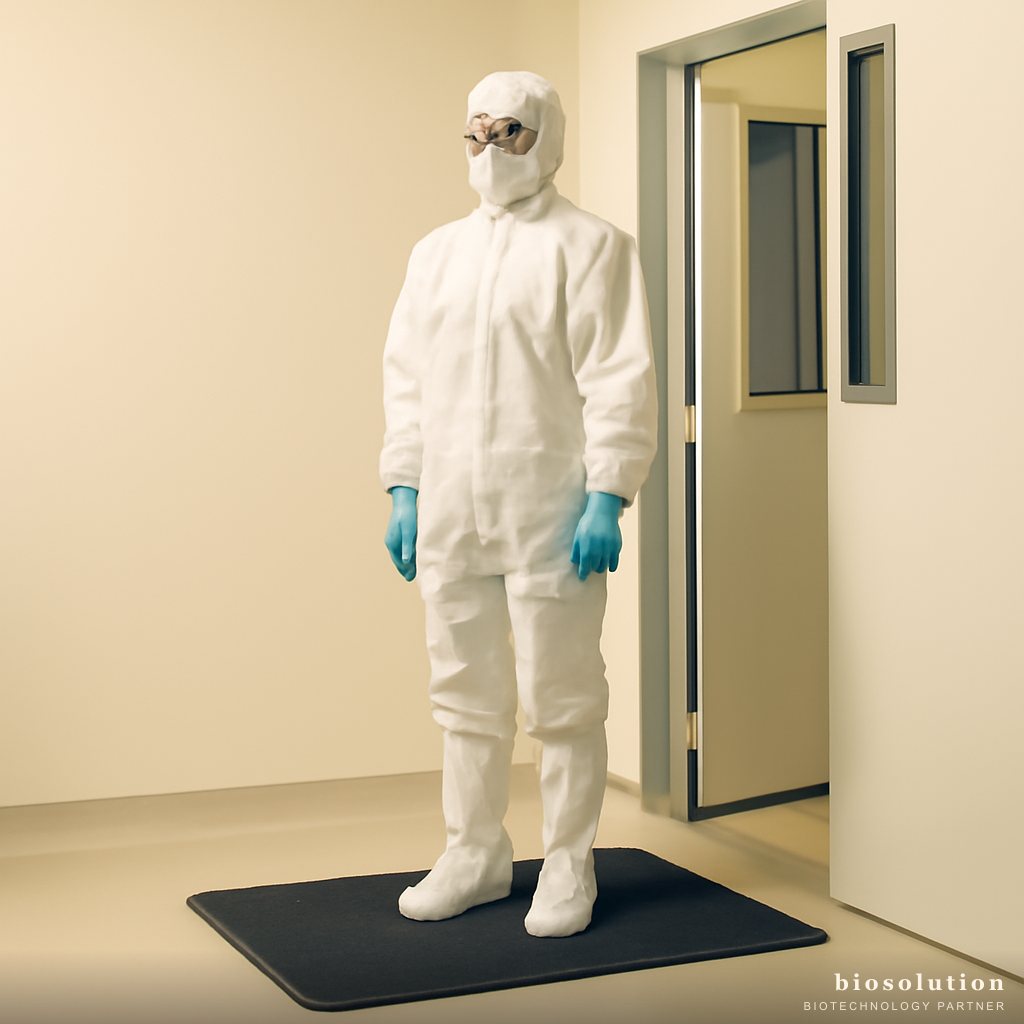
An ideal barn has clear clean and dirty zones. The entrance is equipped with a disinfectant footbath and changing room. Each zone has dedicated equipment that must not be mixed. Good ventilation is also important to reduce humidity and airborne pathogen concentration.
2. Equipment and Vehicle Management
Feed and chicken transport vehicles must be sprayed with disinfectant before entering the barn area. Equipment such as feeders and drinkers are cleaned daily. Use appropriate disinfectants, but remember that disinfectants cannot replace probiotics in maintaining gut microflora balance.
3. Vector Control
Pests such as rats, flies, and wild birds are disease vectors. Install wire mesh on vents, manage waste properly, and use rat baits periodically. Biosecurity also includes vaccination and daily health monitoring.
4. Probiotic Program as Internal Biosecurity
Probiotics serve as the last line of defense inside the chicken's body. When administered regularly, probiotics establish a dominant population of beneficial bacteria in the gut, making it difficult for pathogens to thrive. This program should start from day one (DOC) until harvest.
Mechanism of Probiotics in Suppressing Poultry Pathogens
Poultry probiotics such as Broiler Probiotic Formula contain three superior strains:
- Lactobacillus acidophilus: a lactic acid bacterium that lowers gut pH, inhibiting E. coli and Salmonella.
- Bacillus subtilis: produces protease, amylase, and cellulase enzymes that improve feed digestion, and produces peptide antibiotics (subtilosin) that fight Clostridium.
- Bacillus coagulans: heat-resistant spores that survive the feed pelleting process and remain active in the gut.
When these three work synergistically, a strong competitive effect occurs. Studies in broilers show a reduction in E. coli population by up to 2 log CFU/g feces after 14 days of probiotic administration. Additionally, probiotics stimulate IgA production and T regulatory cells, thereby suppressing excessive inflammatory responses.
Case Study: Probiotics for Antibiotic-Free Broilers
The implementation of integrated biosecurity with probiotics has been tested on commercial-scale farms. Farmers report 8–12% improvement in FCR and 5–10% increase in ADG in probiotic-fed chickens. Mortality also dropped below 3% over 35 days of rearing. Another advantage is the absence of antibiotic residues in meat, meeting consumer demand for organic and safe products.
One farmer in West Java implemented a probiotic program from DOC. As a result, medication costs decreased by 40%, and harvest weights were more uniform. The key to success is consistency of administration and proper dosage: 1 ml/L of drinking water daily during starter, and 3 times/week during grower-finisher.
Practical Steps for Implementing Integrated Biosecurity with Probiotics
- Barn Preparation: Clean and disinfect the barn at least 7 days before DOC arrival. Ensure litter is dry.
- Initial Probiotic Administration: Starting day one, mix Broiler Probiotic Formula into drinking water at a dose of 1 ml/L. Use clean water without excess chlorine.
- Daily Monitoring: Record feed and water consumption, observe feces, and monitor clinical signs. If any chicken is sick, immediately isolate and diagnose.
- Routine Sanitation: Spray disinfectant on footwear, wash hands before entering the barn, and limit visits.
- Performance Evaluation: Calculate FCR, ADG, and mortality weekly. Compare with standards to assess program effectiveness.
The Future of Antibiotic-Free Poultry Farming
Regulatory and market pressure on antibiotic use is increasing. Indonesia, through the Ministry of Agriculture, has promoted the reduction of AGP (Antibiotic Growth Promoters) since 2020. Integrated biosecurity with probiotics is the main solution to maintain productivity without antibiotics.
Probiotics not only replace the function of AGPs in promoting growth but also provide added value in terms of food safety and sustainability. With widespread adoption, Indonesian poultry farms can compete in the stringent global market.
Conclusion
Integrated poultry biosecurity with probiotics is a comprehensive strategy that integrates environmental management, sanitation, and gut health. Probiotics such as Lactobacillus acidophilus, Bacillus subtilis, and Bacillus coagulans work synergistically to suppress pathogens, improve digestion, and modulate immunity. Consistent implementation has been shown to improve FCR, ADG, and reduce mortality. In the future, this approach will become the standard for antibiotic-free poultry farming.
Want to implement integrated biosecurity with probiotics in your barn? Contact the Biosolution team via WhatsApp for a free consultation and see the Broiler Probiotic Formula product that suits your needs.