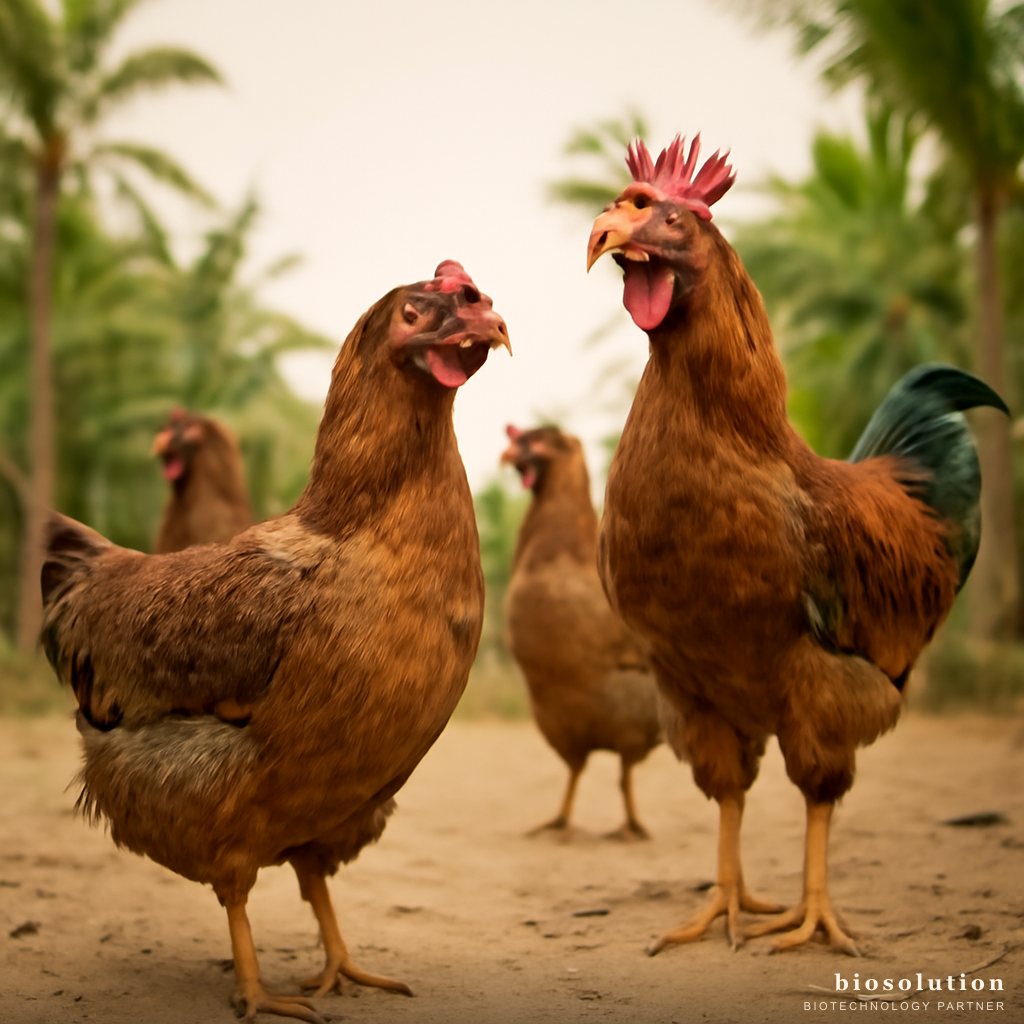
KUB Free-Range Chicken Probiotics: Avoid 7 Fatal Mistakes When Using Probiotics for Free-Range and KUB Chickens
Probiotics for KUB free-range chickens are now a mainstay for modern farmers to increase productivity and health of free-range chickens, especially in free-range rearing systems. However, many farmers do not understand the correct usage, resulting in suboptimal results. This article explores 7 common mistakes often made when using probiotics for free-range and KUB chickens in a free-range system, and how the right solutions from Biosolution can help you avoid these pitfalls.
Mistake 1: Giving Incorrect Probiotic Dosage
One of the most common mistakes is giving probiotic dosage haphazardly. Many farmers think "the more the better," but excess dosage can actually disrupt the balance of chicken gut microflora. Probiotic products like Biosolution's Free-Range & KUB Chicken Probiotic Formula have a tested dosage: 1 ml per liter of drinking water, given 3 times a week in the morning. This dosage is designed to provide optimal benefits without bacterial overload. Incorrect dosage can cause diarrhea, decreased appetite, and even pathogen resistance. Therefore, always follow the dosage instructions on the packaging or consult an expert.
Mistake 2: Using Inappropriate Probiotic Strains
Not all probiotics are suitable for free-range chickens. Many commercial products contain bacterial strains that are not specific to poultry, so their effectiveness is low. Good probiotics for KUB free-range chickens must contain strains that can survive in the poultry digestive tract and provide real benefits. Biosolution's Free-Range & KUB Chicken Probiotic Formula contains Lactobacillus acidophilus and Bacillus subtilis. Lactobacillus acidophilus produces lactic acid that suppresses pathogen growth, while Bacillus subtilis produces enzymes that aid feed digestion. Both strains have been scientifically tested to improve disease resistance and accelerate growth of free-range chickens.
Mistake 3: Wrong Timing of Probiotic Administration
Farmers often give probiotics at any time without considering the right timing. In fact, probiotic bacteria require certain conditions to thrive. Morning administration is recommended because at that time the chicken's digestive system is fresh and stomach pH is still low, allowing probiotics to pass through the stomach better. Also, avoid giving probiotics simultaneously with antibiotics or other medications that can kill beneficial bacteria. Allow at least a 2-hour gap between probiotic and other medication. A frequency of 3 times a week is sufficient to maintain beneficial bacterial populations in the gut.
Mistake 4: Ignoring Drinking Water Quality
Probiotics given through drinking water will be wasted if water quality is poor. Water containing chlorine, heavy metals, or other contaminants can kill probiotic bacteria before they reach the gut. Ensure chicken drinking water is clean and chlorine-free. If using well water, conduct periodic quality tests. It is best to use boiled water or water that has been left to stand for 24 hours to reduce chlorine. Additionally, drinkers must always be clean to prevent cross-contamination. By maintaining water quality, probiotics can work optimally.
Mistake 5: Inconsistent Administration
Many farmers give probiotics only when chickens appear sick or after an outbreak. In fact, probiotics should be given routinely as a preventive measure. Consistency is key to building a stable population of beneficial bacteria in the gut. If administration is intermittent, probiotic effectiveness drops drastically. For KUB free-range chickens, a continuous program of 3 times a week will yield the best results, such as increased appetite, reduced chick mortality, and faster harvest time.
Mistake 6: Combining Probiotics with Inappropriate Feed
Feed containing antimicrobials or certain chemicals can inhibit probiotic action. For example, feed with high doses of organic acids or certain essential oils can be bactericidal. It is best to give probiotics separately from feed containing antimicrobial additives. If using commercial feed, check its composition. For optimal results, combine probiotics with quality feed that does not contain antimicrobials. Biosolution recommends natural feed such as rice bran, ground corn, or fiber-rich greens to support probiotic bacterial growth.
Mistake 7: Not Monitoring Chicken Response
Each chicken responds differently to probiotics. Farmers often do not monitor changes in behavior or health after probiotic administration. In fact, signs like increased appetite, firmer feces, and shinier feathers indicate probiotics are working. If there is no change within 2 weeks, the dosage or strain used may be unsuitable. Record chicken development periodically and adjust the probiotic program if needed. With regular monitoring, you can optimize probiotic benefits.
Conclusion
Using probiotics for KUB free-range chickens is indeed very beneficial, but must be done correctly. Avoid the 7 mistakes above to maximize your probiotic investment. From selecting the right strain, accurate dosage, appropriate timing, to consistency and monitoring. With products like Biosolution's Free-Range & KUB Chicken Probiotic Formula containing Lactobacillus acidophilus and Bacillus subtilis, you can improve chicken health, accelerate harvest, and reduce mortality. If you want to know more about proper usage or free consultation, contact us via WhatsApp. The Biosolution expert team is ready to help you succeed in raising KUB free-range chickens.
FAQ
1. What is the correct probiotic dosage for KUB free-range chickens?
The recommended dosage is 1 ml of probiotic per liter of drinking water, given 3 times a week in the morning. This dosage is safe and effective for adult and young free-range chickens. Do not exceed the dosage as it can cause digestive upset.
2. Can probiotics be given together with antibiotics?
It is best not to. Antibiotics can kill probiotic bacteria. Allow at least a 2-hour gap between probiotic and antibiotic administration. If chickens are undergoing antibiotic treatment, it is advisable to temporarily stop probiotics until treatment is complete.
3. When is the best time to give probiotics to free-range chickens?
The best time is in the morning, when chickens have just woken up and their digestive system is empty. This helps probiotics pass through the stomach better. Avoid giving during the hot midday as chickens tend to drink less.
4. How should probiotics be stored to remain effective?
Store probiotics in a cool, dry place, away from direct sunlight. Ideal storage temperature is between 4-25°C. Once opened, use within 30 days to maintain bacterial viability.
5. Are probiotics safe for chicks?
Yes, probiotics are very safe for chicks and are even recommended to reduce mortality. The dosage for chicks is the same: 1 ml/liter of drinking water. Ensure drinking water is clean and drinkers are easily accessible.