MOS Feed Anti-Mycotoxin: Mycotoxin Binder for Commercial Livestock Feed
Mycotoxins are a hidden threat in the animal feed industry. Every year, fungal contamination in feed ingredients causes billions of rupiah in losses due to reduced livestock performance, health disorders, and even death. This is where the role of MOS feed anti-mycotoxin becomes crucial. Mycotoxin binder technology based on Mannan-oligosaccharides (MOS) from the cell wall of Saccharomyces cerevisiae yeast offers a natural and effective solution to neutralize fungal toxins in the digestive tract of livestock. This article will discuss in depth the mechanism of action, practical applications, and economic impact of using MOS mycotoxin binders in commercial animal feed.
Why Are Mycotoxins a Serious Problem in Livestock Farming?
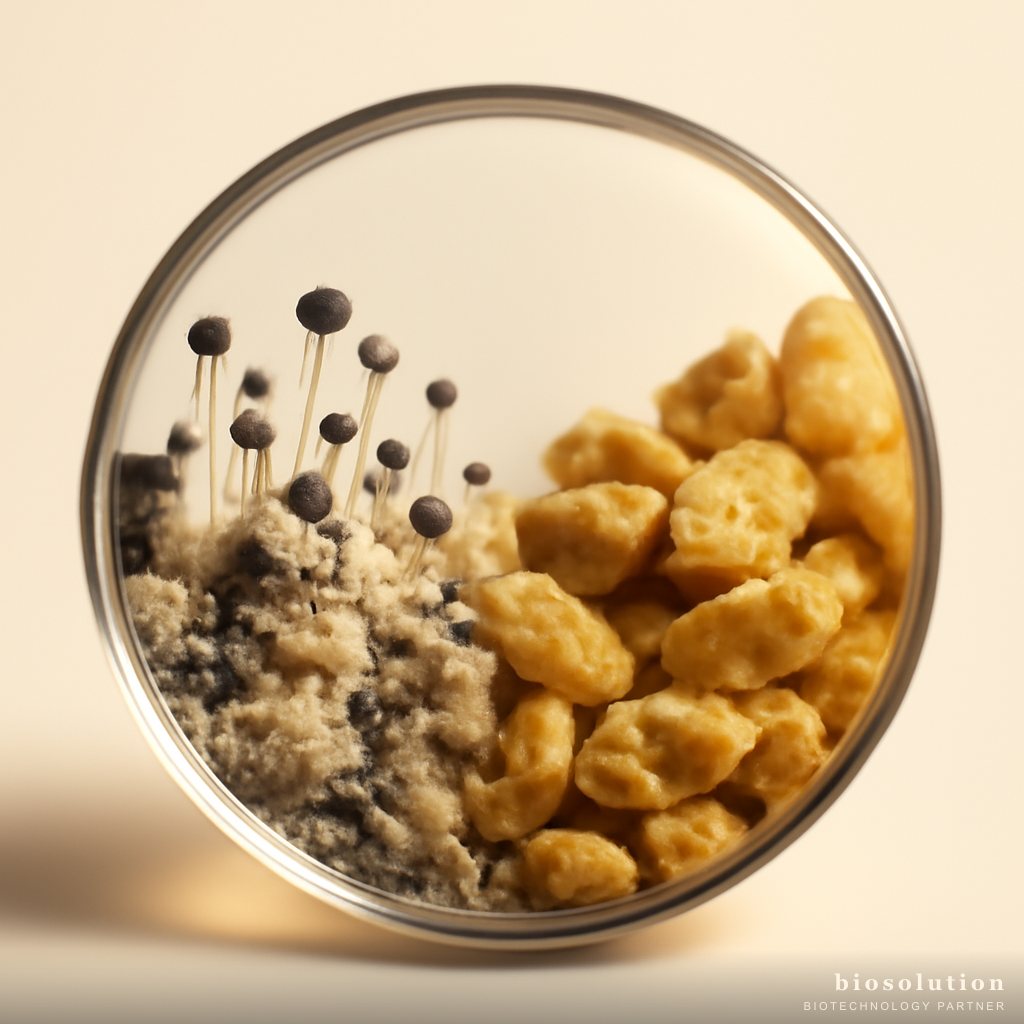
Mycotoxins are toxic compounds produced by certain molds (fungi), mainly from the genera Aspergillus, Fusarium, and Penicillium. These molds easily grow on feed ingredients such as corn, soybean meal, and rice bran, especially under humid conditions or poor storage. The problem is that mycotoxins are very stable and not easily destroyed by heating or feed processing.
The impact of mycotoxins on livestock varies greatly, depending on the type and dose. Aflatoxins, for example, are hepatotoxic and carcinogenic, attacking the liver and reducing immunity. Ochratoxins damage the kidneys, while deoxynivalenol (DON) and zearalenone disrupt reproductive and growth systems. At subclinical levels, mycotoxins cause reduced feed intake, poor feed conversion, and increased susceptibility to disease. The accumulation of these losses is economically significant, especially in large-scale farms such as feed mills and integrators.
Data from FAO shows that about 25% of the world's harvest is contaminated with mycotoxins. In Indonesia, a tropical climate with high humidity exacerbates the risk of contamination. Therefore, mycotoxin mitigation strategies are a priority in modern feed management.
How Do MOS Mycotoxin Binders Work?
Mycotoxin binders are compounds added to feed to bind mycotoxins in the digestive tract, preventing absorption into the bloodstream and facilitating excretion through feces. Among various types of binders, products based on cell wall of Saccharomyces cerevisiae, rich in MOS and β-glucan, show high effectiveness.
Physicochemical Mechanism: Adsorption by MOS and β-glucan
The yeast cell wall has a porous structure with functional groups capable of binding various types of mycotoxins through hydrogen bonds, van der Waals forces, and hydrophobic interactions. MOS (Mannan-oligosaccharides) act as ligands that specifically recognize and bind toxins such as aflatoxins and zearalenone. Meanwhile, β-glucan (1,3/1,6-glucan) provides a three-dimensional matrix that expands the adsorption surface area.
The binding process occurs rapidly (within minutes) and is stable across the pH range of the digestive tract (pH 2-8). Another advantage is that MOS and β-glucan not only bind mycotoxins but also provide prebiotic effects by stimulating the growth of beneficial bacteria (e.g., Lactobacillus and Bifidobacterium) and modulating mucosal immunity. This means that, in addition to detoxification, this product supports overall gut health.
Comparison with Other Mycotoxin Binders
Conventional mycotoxin binders such as aluminosilicates (bentonite, zeolite) are effective in binding aflatoxins but less effective against polar mycotoxins like DON and fumonisins. In contrast, MOS and β-glucan have a broader binding spectrum due to the diversity of their functional groups. Additionally, mineral binders risk binding nutrients (vitamins and minerals), thereby reducing the nutritional value of feed. Yeast-based products do not have this side effect because they are selective for mycotoxins.
Economic Impact of Using MOS Feed Anti-Mycotoxin
The application of MOS mycotoxin binders in commercial animal feed provides tangible economic benefits, especially in the long term. Here are several aspects to consider:
Improved Livestock Performance: By reducing the mycotoxin burden, livestock show better feed intake, optimal daily weight gain, and more efficient feed conversion. In broiler chickens, for example, adding MOS can increase final body weight by 3-5% and reduce FCR (Feed Conversion Ratio) by 0.05-0.1 points.
Reduced Mortality and Morbidity: Mycotoxins suppress the immune system, making livestock susceptible to secondary infections. With toxin binding, morbidity and mortality rates drop dramatically. Studies show that using MOS in pigs reduces the incidence of diarrhea and reproductive disorders.
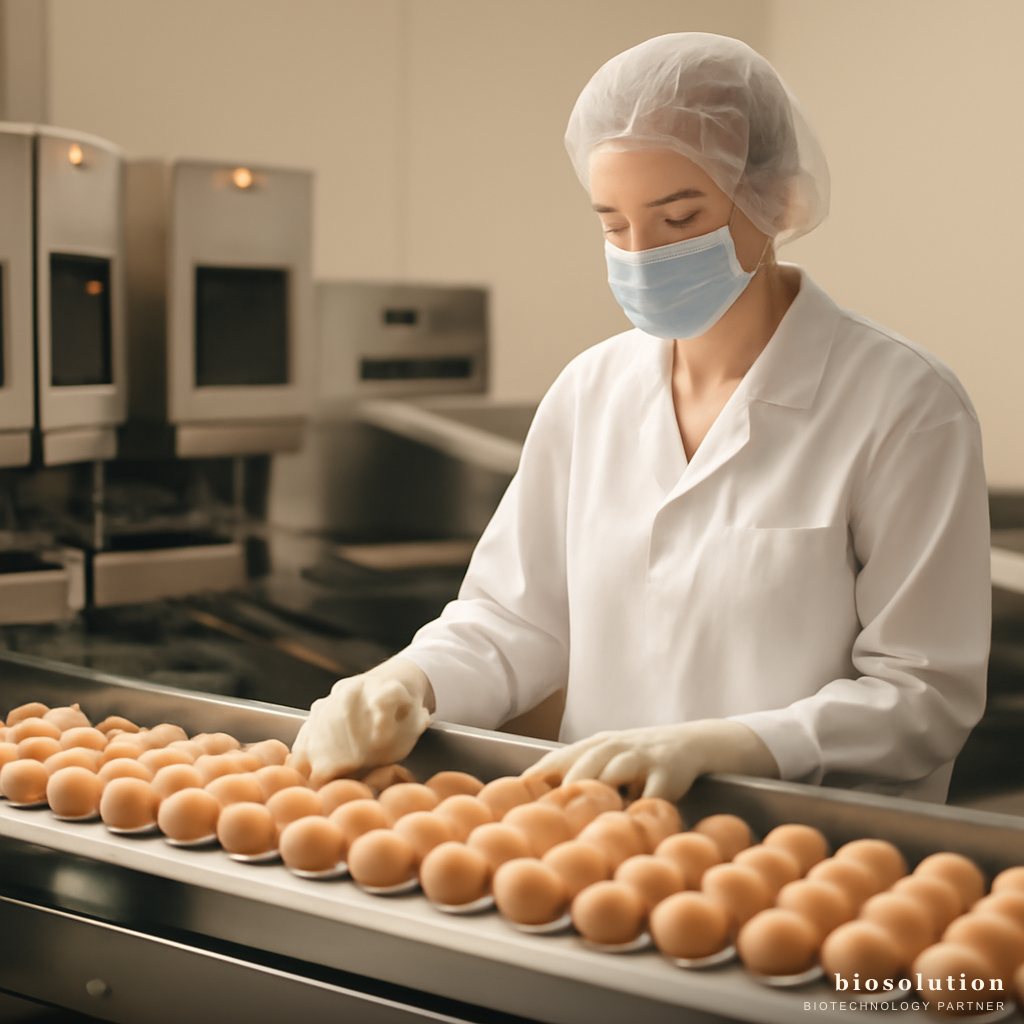
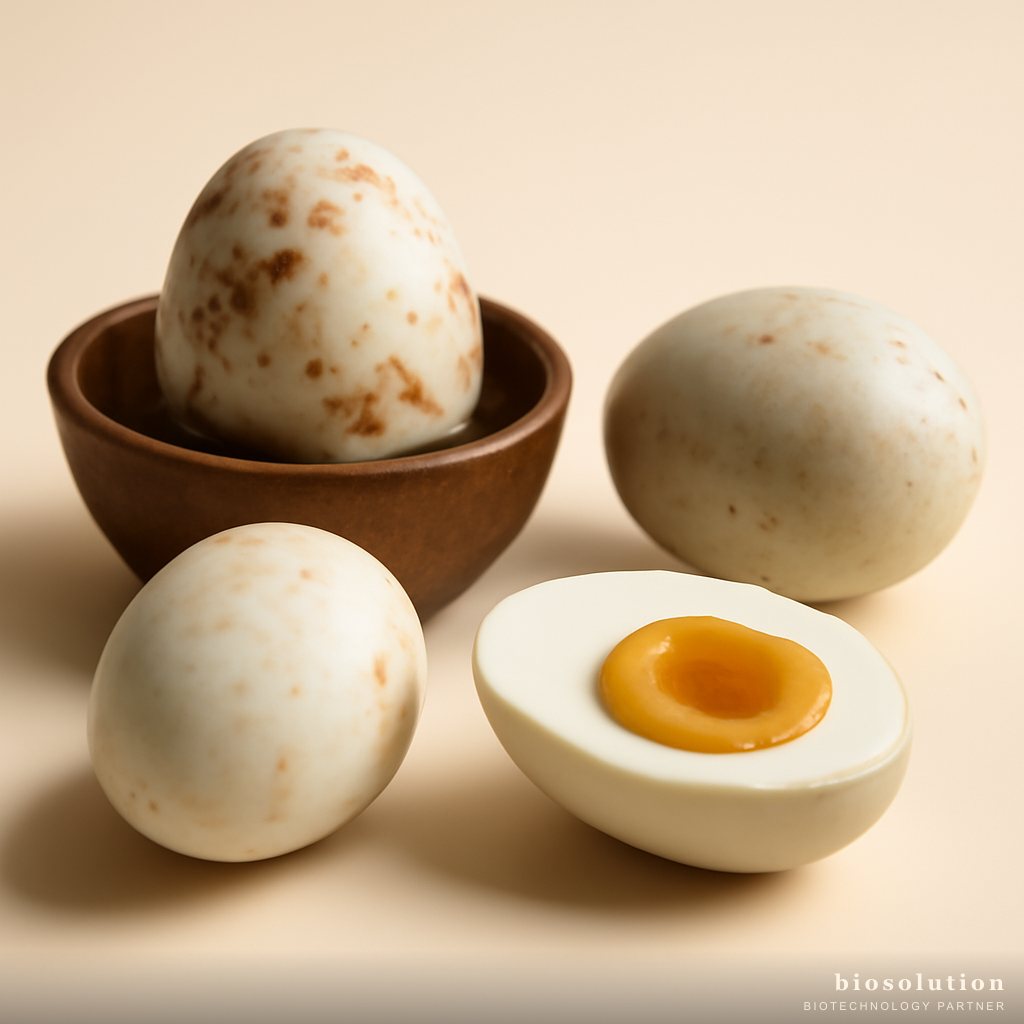
Quality of Livestock Products: Meat, eggs, and milk from livestock exposed to mycotoxins may contain toxin residues that endanger consumers. Using MOS mycotoxin binders helps ensure product safety and compliance with export standards.
Feed Cost Efficiency: Although there is an additional cost for purchasing the product, overall production cost per kilogram of meat or eggs actually decreases due to better livestock performance. At a recommended dosage of 1-2 kg per ton of feed, this investment is very affordable.
Feed Storage Flexibility: Feed mills and integrators often need to store feed for long periods or under humid conditions. MOS mycotoxin binders provide a safety net, minimizing the risk of losses due to mold contamination.
Practical Application for Feed Mills and Integrators
To achieve optimal results, the application of MOS mycotoxin binders must be done correctly. Here is a practical guide:
- Dosage: Mix 1-2 kg of product per ton of feed, depending on the level of contamination risk. During the rainy season or when using high-risk raw materials, use a dosage of 2 kg/ton.
- Method: The product is a fine powder, can be mixed directly during the feed mixing process. Ensure even mixing by using a premix or through stepwise mixing.
- Frequency: Add to every batch of feed, not just when contamination is suspected. Preventive action is more effective than curative.
- Application Time: During dry feed mixing or before pelleting. High pelleting temperatures do not reduce MOS effectiveness because the yeast cell wall is stable up to 120°C.
In addition, it is important to continue implementing good feed management practices: storage in dry places, stock rotation (FIFO), and monitoring raw material moisture content. Mycotoxin binders are not a substitute but a complement to feed biosecurity.
Synergy with Other Feed Management Strategies
MOS mycotoxin binders work optimally when integrated with other strategies. For example, the use of probiotics or enzymes can improve feed digestibility and reduce the negative impact of any residual mycotoxins that may escape. Additionally, selecting quality raw materials and routine mycotoxin testing in laboratories are preventive steps that should not be overlooked.
For feed mills and integrators, building a comprehensive mycotoxin risk management system will provide a competitive advantage. Certification of mycotoxin-free products also becomes a selling point in an increasingly food safety-conscious market.
Conclusion
Mycotoxin contamination in commercial animal feed is a serious threat that requires effective and economical solutions. MOS-based mycotoxin binders from Saccharomyces cerevisiae cell walls have been proven to bind various types of mycotoxins, maintain livestock performance, and reduce economic losses. With their unique adsorption mechanism, prebiotic effects, and safety, these products are the right choice for feed mills and integrators looking to increase productivity and product quality. For maximum results, apply according to the recommended dosage and combine with good feed management practices.
If you would like to discuss further about mycotoxin binder solutions for your livestock feed, feel free to contact our technical team via WhatsApp or visit the product page Feed Mycotoxin Binder Formula. We are ready to help protect your livestock investment from the threat of mycotoxins.