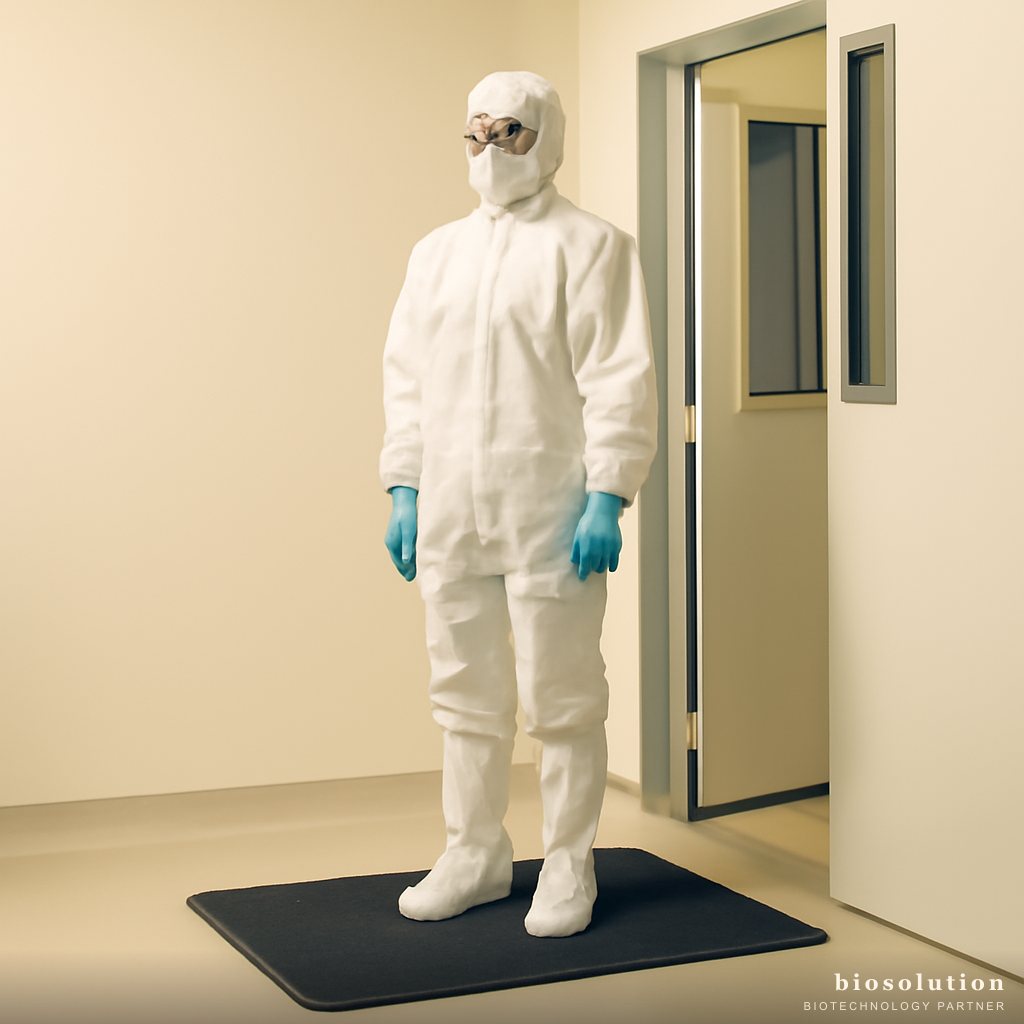
Integrated Poultry House Biosecurity: 7 Common Mistakes When Using Probiotics in Broilers
Poultry house biosecurity is the foundation of successful broiler farming. Without strict biosecurity, the risk of pathogens such as Escherichia coli, Salmonella, and Clostridium entering increases dramatically, threatening productivity and food safety. In an integrated biosecurity system, probiotics have become a mainstay tool for maintaining digestive tract health while suppressing harmful bacterial populations. However, many farmers fail to experience optimal benefits due to mistakes in their application. This article explores the seven most common mistakes when integrating probiotics into poultry house biosecurity protocols, and how Broiler Probiotic Formula from Biosolution can help avoid these pitfalls.
1. Dosage Too Low or Too High
The first mistake is inaccurate dosage. Many farmers consider probiotics as ordinary supplements and thus neglect the dosage. In fact, too low a dose will not achieve adequate competitive exclusion effects. Conversely, too high a dose can burden the digestive system of young chicks. For Biosolution's Broiler Probiotic Formula, the recommended dosage is 1 ml per liter of drinking water or 2 ml per kilogram of feed. This dosage has been optimized to ensure that populations of Lactobacillus acidophilus, Bacillus subtilis, and Bacillus coagulans reach sufficient numbers to colonize the gut and suppress pathogens. Accurate measurement with a dosing tool is highly recommended, especially during the starter period when chick sensitivity is high.
2. Improper Timing of Administration
Probiotics are not just given at any time. The timing of administration greatly affects their effectiveness. Giving them simultaneously with antibiotics or disinfectants can kill the beneficial bacteria before they can work. Ideally, probiotics should be given two hours after medication or oral vaccination. Additionally, administration in the morning after the chickens have consumed feed is the best time because the gut is more receptive. Biosolution recommends daily administration during the starter period (first week) and three times a week during the grower-finisher period. Ignoring this schedule prevents probiotics from establishing a stable population in the gut.
3. Uncontrolled Drinking Water Temperature
Probiotic bacteria are living organisms sensitive to extreme temperatures. Drinking water that is too hot (>40°C) can kill Lactobacillus acidophilus and Bacillus coagulans within minutes. Conversely, water that is too cold (<20°C) slows down bacterial metabolism, reducing their activity. The ideal drinking water temperature for probiotics is 25–30°C. Farmers often forget to check water temperature, especially in closed houses with long water circulation. Use a simple thermometer and ensure the water tank is not exposed to direct sunlight. By maintaining water temperature, probiotics remain viable and ready to work.
4. Ignoring Feed Compatibility
Broiler feed often contains antimicrobial ingredients such as organic acids or ionophores. Some of these ingredients can inhibit probiotic growth. For example, high doses of citric acid can drastically lower the pH of drinking water, making it unsuitable for Lactobacillus, which already produces lactic acid. Conversely, Bacillus subtilis in spore form is more resistant to acidic conditions. Biosolution's Broiler Probiotic Formula is designed with complementary strains: Lactobacillus acidophilus for lactic acid production, Bacillus subtilis for digestive enzymes, and Bacillus coagulans as heat-resistant spores. However, if the feed contains antibiotics or coccidiostats, allow a minimum 4-hour interval between feed and probiotic administration. Consult with a nutritionist to adjust feed formulation to maintain synergy with probiotics.
5. Poor Drinking Water Sanitation
Probiotics are administered through drinking water, but if the water system is dirty, pathogenic bacteria will compete with probiotics. Biofilm inside water pipes can become a reservoir for Salmonella and E. coli. Before starting a probiotic program, clean the entire drinking water system with a safe disinfectant (e.g., hydrogen peroxide), then rinse thoroughly. After that, add probiotics. Routine weekly sanitation is still necessary, but avoid using chlorine simultaneously with probiotics because chlorine can kill beneficial bacteria. Use probiotic-friendly cleaning products or allow a 24-hour interval between sanitation and probiotic administration.
6. Overlooking Probiotic Quality (Viability and Strains)
Not all probiotics are created equal. Many probiotic products on the market have low viability due to improper storage or poor formulation. Probiotics must contain strains scientifically proven to adhere to the chicken gut and produce antimicrobial compounds. Biosolution's Broiler Probiotic Formula contains three superior strains: Lactobacillus acidophilus which produces lactic acid and lowers gut pH, Bacillus subtilis which produces enzymes and antimicrobial compounds like subtilin, and Bacillus coagulans which forms spores, making it resistant to feed pelleting temperatures. Ensure probiotics are stored in a cool place (4–8°C) and used before the expiration date. Do not buy probiotics in large packages if they will not be used quickly, as viability decreases after opening.
7. Not Monitoring Performance Parameters
The last mistake is not evaluating the impact of probiotics on biosecurity. Farmers often give probiotics without recording data such as mortality rate, FCR, ADG, or disease incidence. Yet, this data is important to assess program effectiveness. With Biosolution's Broiler Probiotic Formula, target improvements of 8–12% in FCR and 5–10% increase in ADG can be achieved if applied correctly. Additionally, mortality is expected to be below 3% within 35 days of rearing. Also monitor fecal scores and litter condition; drier feces and non-wet litter indicate good gut health. If targets are not met, re-evaluate the six mistakes above.
Conclusion
Integrated poultry house biosecurity with probiotics is a smart strategy to replace the role of antibiotic growth promoters (AGPs) and improve production efficiency. However, mistakes in dosage, timing, water temperature, feed compatibility, sanitation, probiotic quality, and monitoring can undermine your efforts. By understanding and avoiding these seven mistakes, and using quality products like Broiler Probiotic Formula from Biosolution, you can optimize poultry house biosecurity and achieve better livestock performance. For further consultation on implementing probiotics in your biosecurity program, contact the Biosolution technical team via WhatsApp. Get healthy broilers, free from antibiotic residues, and high productivity.
This article is written based on research data and field experience. For further references, see biosecurity guidelines from the Directorate General of Livestock and Animal Health and scientific publications on poultry probiotics.