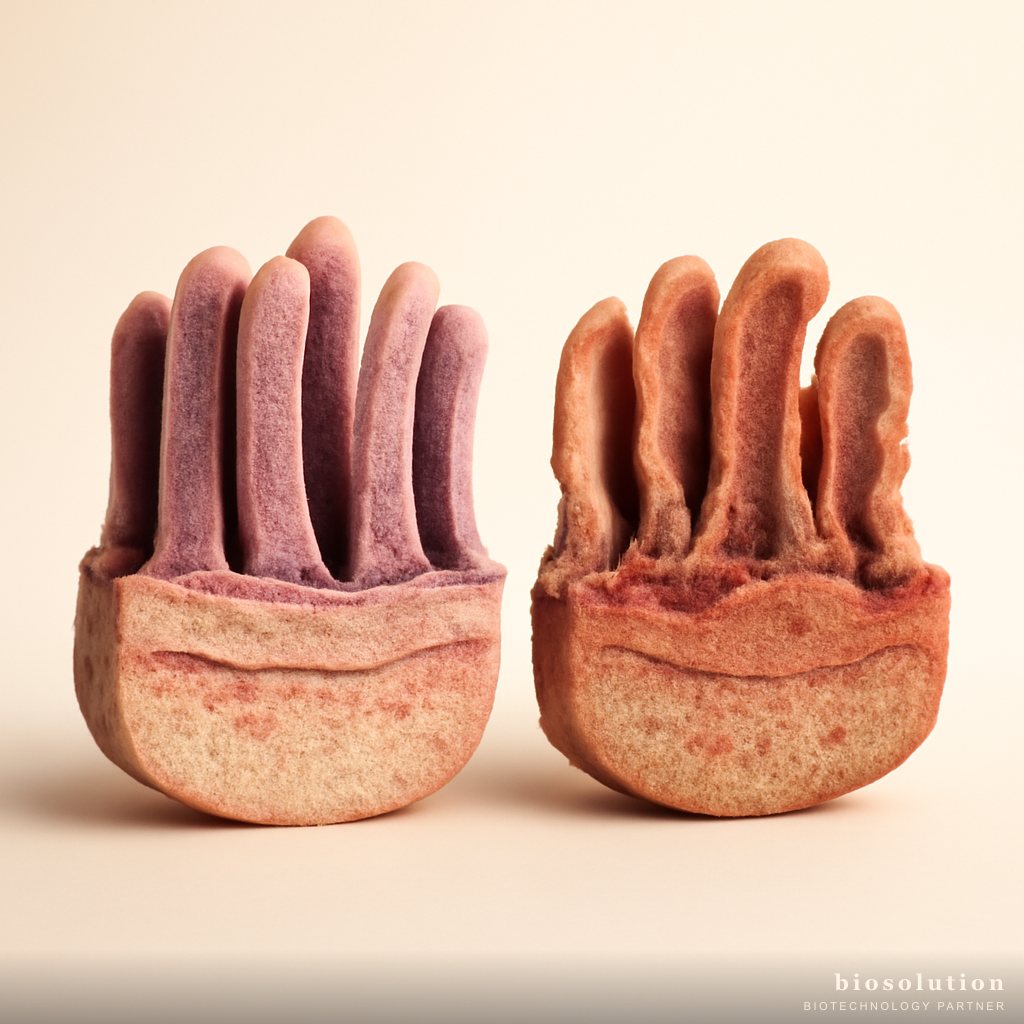
Prevent Broiler Necrotic Enteritis Clostridium with the Right Probiotics
Necrotic enteritis (NE) caused by Clostridium perfringens is one of the most detrimental diseases in broilers, especially in the antibiotic growth promoter-free (AGP-free) era. Many broiler integrators are turning to probiotics as a prevention strategy, but many fail due to errors in selection and application. This article discusses these common mistakes and how the right broiler probiotic formula can be an effective solution to suppress broiler necrotic enteritis clostridium.
Common Mistake #1: Choosing Probiotic Strains Without Considering Compatibility
Not all probiotics are created equal. Many products contain only one type of bacteria without considering synergy and resistance to broiler digestive tract conditions. Clostridium perfringens multiplies in the small intestine, which has a neutral to slightly alkaline pH, and utilizes excess protein and amino acids from feed. Effective probiotics must be able to competitively exclude this pathogen.
Importance of Multifunctional Strains
Biosolution's broiler probiotic formula contains three superior strains: Lactobacillus acidophilus, Bacillus subtilis, and Bacillus coagulans. Lactobacillus acidophilus produces lactic acid, lowering gut pH and creating an unfavorable environment for Clostridium. Meanwhile, Bacillus subtilis produces digestive enzymes like protease and amylase that break down proteins and carbohydrates, reducing substrate for Clostridium. Bacillus coagulans forms heat-resistant spores, ensuring stability in pellet feed production. This combination ensures competitive exclusion and production of natural antimicrobial compounds.
Performance Data
Based on field trials, this formula improves FCR by 8–12% and increases ADG by 5–10%. Mortality due to NE can be suppressed below 3% within 35 days of rearing. With no antibiotic residues, the meat remains safe for consumption.
Common Mistake #2: Incorrect Dosage and Frequency
Probiotics are not drugs but preventive agents. Many farmers administer probiotics only when chickens show signs of illness, or at too low a dosage. As a result, the beneficial bacteria population is not dominant enough to suppress Clostridium.
Recommended Dosage
For NE prevention, probiotics should be given from day one (starter). Biosolution's broiler probiotic formula is applied at 1 ml/L of drinking water or 2 ml/kg of feed, daily during the starter period (0–14 days), then 3 times a week during grower to finisher. Administration is done in the morning after feeding, so probiotics reach the intestine during high digestive activity.
Why Consistency Matters
Clostridium perfringens can be present in small numbers without causing disease. When stress occurs (e.g., feed changes, high density, or coccidial infection), this bacterium multiplies rapidly. Consistently administered probiotics maintain a stable beneficial bacteria population, enabling a response when NE triggers occur.
Common Mistake #3: Ignoring Feed and Environmental Management
Probiotics are not a standalone solution. Many farmers rely entirely on probiotics without addressing other risk factors such as high-protein feed, poor litter quality, or heat stress. Clostridium perfringens heavily depends on protein substrates in the gut. Feed with excessive protein or poor amino acid balance will exacerbate NE.
Integration with Management
Probiotics work optimally when supported by quality feed with appropriate protein levels, as well as dry and clean litter management. The use of coccidiostats or coccidiosis vaccines is also important because coccidial infection damages the intestinal mucosa, facilitating Clostridium attachment. Biosolution's broiler probiotic formula helps repair mucosal damage through IgA stimulation and epithelial cell regeneration.
Common Mistake #4: Not Considering Probiotic Stability in Feed
Many liquid or powder probiotics are susceptible to high temperatures during pelleting. Non-spore bacteria like Lactobacillus easily die at temperatures above 70°C. Consequently, the number of live bacteria reaching the intestine is very low.
Heat-Resistant Spore Solution
Bacillus coagulans in Biosolution's broiler probiotic formula forms spores that withstand pelleting temperatures up to 90°C. Meanwhile, Lactobacillus acidophilus is provided in freeze-dried form, stable at room temperature. The product is formulated to remain viable even when mixed in feed or drinking water.
Common Mistake #5: Not Monitoring Effectiveness with Data
Without field data, it is difficult to assess whether probiotics are working. Many farmers rely only on feeling or visual appearance of the chickens. In fact, indicators such as FCR, ADG, and NE lesion scores need to be recorded for evaluation.
Parameters to Measure
Broiler integrators should compare performance before and after probiotic use. Targets achievable with Biosolution's broiler probiotic formula include FCR improvement of 8–12%, ADG increase of 5–10%, mortality below 3%, and minimal NE lesion scores. With this data, management decisions can be made objectively.
Conclusion
Preventing broiler necrotic enteritis clostridium requires a holistic strategy, and probiotics are one of its main pillars. Avoid common mistakes such as choosing single strains, inconsistent dosing, ignoring management, low stability, and lack of monitoring. Use a broiler probiotic formula containing Lactobacillus acidophilus, Bacillus subtilis, and Bacillus coagulans at the correct dosage for optimal results. For further consultation, contact the Biosolution technical team via WhatsApp.
FAQ
1. Can probiotics completely replace antibiotics for preventing necrotic enteritis? Probiotics cannot replace antibiotics in treating active infections, but they are very effective as prevention. Through competitive exclusion and lactic acid production, probiotics suppress Clostridium perfringens growth, drastically reducing NE risk. In already infected broilers, probiotics are still given as supportive therapy after antibiotic treatment.
2. How long does it take for probiotics to show results? Improvements in FCR and ADG are usually seen within 2–3 weeks of regular use. For NE prevention, protective effects begin to form after 7–10 days as beneficial bacteria need to establish colonies. Therefore, probiotics are given from DOC for optimal protection.
3. Are probiotics safe to mix with vaccines or other medications? Generally, probiotics are safe, but avoid direct mixing with antibiotics or disinfectants. Allow at least a 2-hour interval between probiotic and medication administration. For vaccines, probiotics can be given simultaneously as they do not interfere with immune response.
4. How should probiotics be stored to remain active? Store in a cool, dry place, away from direct sunlight. Ideal storage temperature is 15–25°C. After opening, use within 30 days to maintain viability. Spore-form products are more stable and do not require refrigeration.
5. Do probiotics work on all broiler strains? Yes, probiotics work on all broiler strains because their mechanism of action is general. However, response may vary depending on housing conditions, feed, and management. Consultation with the technical team is recommended for dosage adjustments.