Preventing Necrotic Enteritis in Broiler Clostridium with Probiotics: Phase-Specific Administration Schedule
Necrotic enteritis in broilers caused by Clostridium is one of the most detrimental enteric diseases in the broiler industry. Caused by Clostridium perfringens types A and C, this disease triggers necrosis of the small intestinal mucosa, reduces growth performance, and increases mortality. In the era of Antibiotic Growth Promoters (AGP) bans, probiotics have become a strategic solution. This article outlines how a phase-specific probiotic administration schedule—using the Broiler Probiotic Formula containing Lactobacillus acidophilus, Bacillus subtilis, and Bacillus coagulans—can suppress the risk of necrotic enteritis while improving feed efficiency.
Why Clostridium perfringens is a Threat in Broiler Farms?
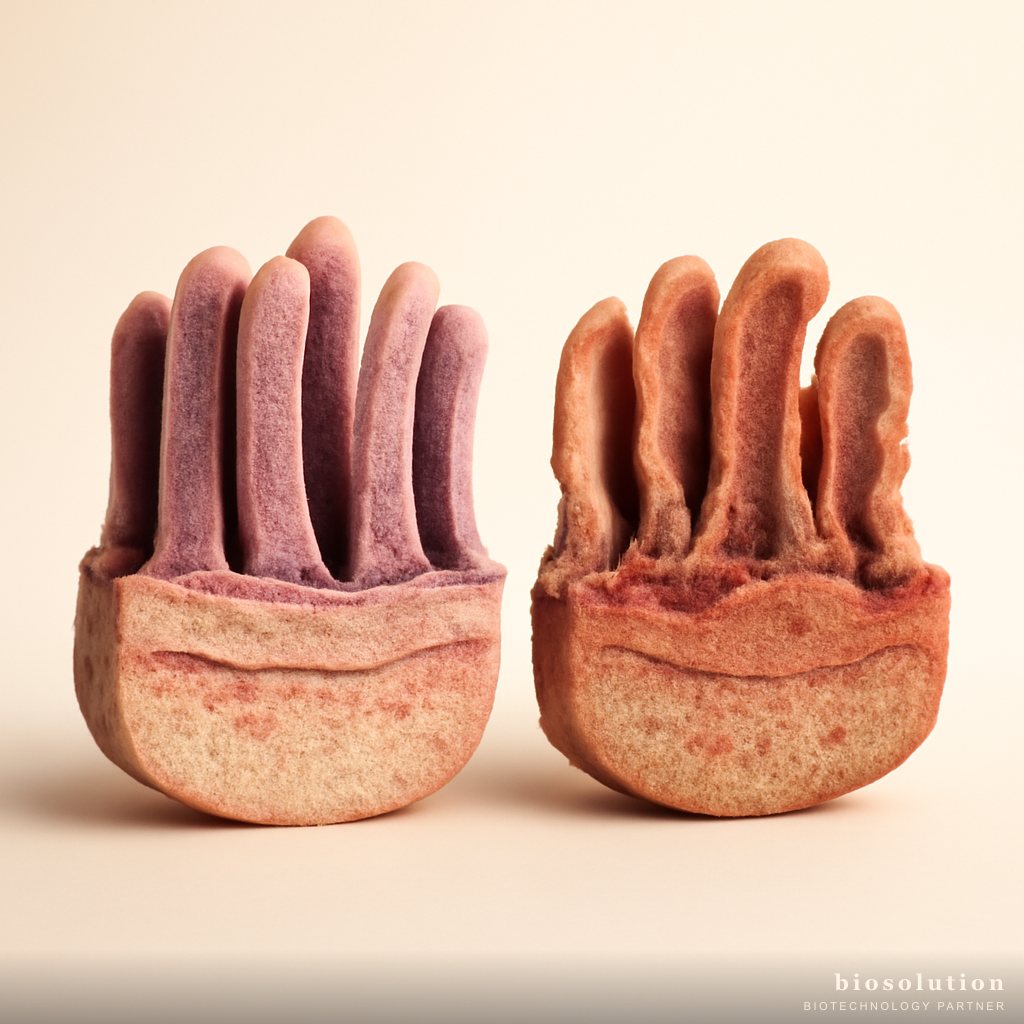
Clostridium perfringens is a gram-positive anaerobic bacterium normally present in low numbers in the chicken digestive tract. However, when triggers such as high-protein feed or coccidiosis infection occur, the C. perfringens population explodes and produces toxins (NetB, alpha-toxin) that damage intestinal villi. This leads to inflammation, necrosis, and reduced nutrient absorption. Economic losses include decreased body weight, worsened FCR, and high treatment costs.
Prevention is more effective than treatment. Probiotics with competitive exclusion and lactic acid production mechanisms can naturally suppress pathogen growth. Products like Broiler Probiotic Formula are specifically designed for broilers with strains resistant to pelleting processes and stable in the digestive tract.
Mechanisms of Probiotics in Suppressing Clostridium perfringens
Probiotics work through several synergistic pathways to control C. perfringens:
Competitive Exclusion
Lactobacillus acidophilus and Bacillus subtilis strains compete with pathogens for adhesion sites on the intestinal epithelium and nutrients. By adhering first, probiotics block C. perfringens colonization.
Lactic Acid Production and pH Reduction
Lactobacillus acidophilus ferments carbohydrates into lactic acid, lowering gut pH to below 5.5. This acidic condition inhibits the growth of C. perfringens, which thrives at neutral pH.
Enzyme and Bacteriocin Production
Bacillus subtilis produces protease, amylase, and lipase enzymes that improve feed digestion, reducing protein substrate in the large intestine that triggers C. perfringens growth. Additionally, Bacillus produces bacteriocins (subtilosin) with antimicrobial activity against gram-positive pathogens.
Immunomodulation
Probiotics stimulate secretory IgA production and regulatory T cells, strengthening intestinal mucosal immunity. This helps chickens fight infection without excessive inflammation.
Probiotic Administration Schedule per Broiler Rearing Phase
Probiotic administration must be tailored to the developing gut physiology of chickens. The following schedule is recommended based on rearing phase:
Starter Phase (1-10 Days)
During this phase, the chicken's digestive system is still immature, gut microbial populations are low, and the risk of pathogen colonization is high. Probiotics are given daily via drinking water at a dose of 1 ml/L. The goal is to establish a gut microflora dominated by beneficial bacteria early on, so C. perfringens has no opportunity to thrive. Bacillus coagulans, with its heat-resistant spores, helps ensure probiotic viability in the digestive tract.
Grower Phase (11-24 Days)
In this phase, feed intake increases, and the risk of necrotic enteritis begins to emerge, especially if subclinical coccidiosis infection is present. Probiotic frequency is reduced to 3 times per week (e.g., Monday, Wednesday, Friday) at the same dose of 1 ml/L drinking water or 2 ml/kg feed. This reduced frequency maintains a stable probiotic population without burdening daily management. Bacillus subtilis plays a key role in digesting feed and suppressing C. perfringens growth.
Finisher Phase (25-35 Days)
Approaching harvest, the main goal is to maintain gut health and maximize body weight. Probiotic administration remains 3 times per week until 3 days before harvest. In this phase, probiotics help maintain intestinal villi integrity for optimal nutrient absorption, resulting in better FCR. Data from Broiler Probiotic Formula shows FCR improvement of 8–12% and ADG increase of 5–10%.
Case Study: Probiotic Effectiveness in Broilers Exposed to Clostridium
Field research shows that scheduled probiotic administration can suppress mortality due to necrotic enteritis to below 3% over a 35-day rearing period. In one study, chickens given the Broiler Probiotic Formula from day one had lower intestinal lesion scores (score 0-1) compared to controls not given probiotics (score 2-3) when challenged with C. perfringens and Eimeria. Additionally, Lactobacillus populations in the gut increased by 2 logs, while Clostridium decreased significantly.
Data from the Ministry of Agriculture (Permentan No. 14/2017) encourages the use of probiotics as an alternative to AGP. With probiotics, antibiotic residues in meat are zero, meeting global food safety standards.
Comparison with Other Prevention Methods
Besides probiotics, several other necrotic enteritis prevention strategies include:
- Vaccination: C. perfringens toxoid vaccines are available but not widely used due to cost and variable effectiveness.
- Organic acids: effective in lowering feed pH but do not provide gut colonization effects.
- Feed enzymes: help digest protein but do not directly suppress pathogens.
Probiotics excel because they provide a dual effect: suppressing pathogens and improving digestion. With the right administration schedule, probiotics become a practical and economical solution.
Conclusion
Necrotic enteritis in broilers caused by Clostridium can be effectively prevented with proper probiotic management. The Broiler Probiotic Formula containing Lactobacillus acidophilus, Bacillus subtilis, and Bacillus coagulans provides protection through competitive exclusion, pH reduction, and immunomodulation. The phase-specific administration schedule—daily in starter and 3x/week in grower-finisher—ensures optimal probiotic populations without burdening operations. With probiotics, your broilers not only avoid necrotic enteritis but also achieve better FCR and ADG, along with antibiotic-free meat.
For further consultation on implementing probiotics in your farm, contact the Biosolution technical team via WhatsApp. See the Broiler Probiotic Formula product for dosage and ordering information.