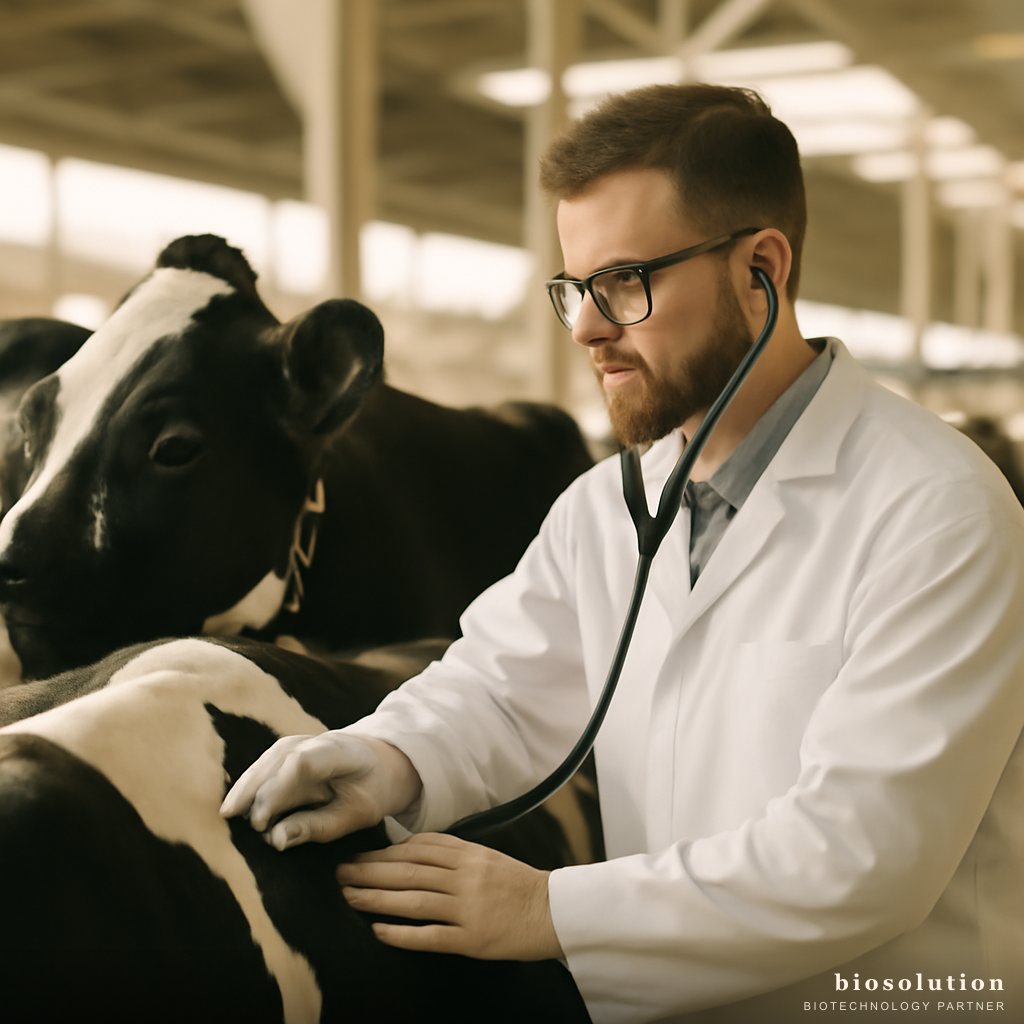
Preventing Rumen Acidosis in Feedlot Cattle with the Right Probiotics
Rumen acidosis is one of the most common metabolic disorders in feedlot cattle fed high-concentrate diets. This condition occurs when the production of lactic acid and volatile fatty acids (VFAs) exceeds the buffering capacity of the rumen, causing pH to drop drastically. Impacts include reduced feed intake, laminitis, and even death. To prevent rumen acidosis, selecting the right probiotic is key. This article will discuss criteria for probiotic strains and certification to consider, and how Intensive Feedlot Cattle Probiotic Formula from Biosolution can be a reliable solution.
Why Rumen Acidosis Threatens Feedlot Cattle?
Feedlot cattle are designed for maximum growth in a short time. High-energy concentrate feeds (corn, soybean meal, etc.) indeed boost average daily gain (ADG), but also alter the rumen microbial balance. Starch-fermenting bacteria such as Streptococcus bovis and Lactobacillus spp. proliferate rapidly, producing lactic acid that lowers rumen pH below 5.5. If pH is not restored promptly, subclinical or clinical acidosis occurs.
Symptoms of subclinical acidosis are often not obvious, but impact feed intake fluctuations, reduced ADG, and hoof health issues. Clinical acidosis is characterized by diarrhea, dehydration, and even sudden death. In Indonesia, acidosis cases often occur in feedlots that implement too rapid concentrate adaptation programs. Therefore, prevention strategies through feed management and probiotics are crucial.
Criteria for Probiotic Strains to Prevent Rumen Acidosis
Not all probiotics are effective for managing rumen acidosis. Here are criteria that strains must meet:
1. Ability to Stabilize Rumen pH
Probiotic strains must be able to consume lactic acid and produce natural buffers. Megasphaera elsdenii and Selenomonas ruminantium are examples of bacteria known to metabolize lactic acid into weaker short-chain fatty acids. However, commercial probiotics often use Lactobacillus acidophilus and Bacillus subtilis which have been shown to increase rumen pH in cattle.
2. Tolerance to Low pH and Bile
Probiotics must withstand acidic stomach conditions and bile salts to reach the rumen in sufficient numbers. Encapsulated or spore-forming strains (such as Bacillus spp.) are superior in this regard.
3. Production of Fiber-Digesting Enzymes
Feedlot cattle still need fiber to stimulate rumination and saliva production, which is buffering. Probiotics that produce cellulase and hemicellulase enzymes help digest roughage, thereby reducing the risk of pH drop. Intensive Feedlot Cattle Probiotic Formula contains cellulase enzymes that support fiber digestion, in addition to a consortium of probiotic bacteria.
4. Compatibility with Concentrate Feed
Probiotics must be stable when mixed with concentrate and not lose viability during storage. Products with a dose of 30 ml per head per day mixed into the morning feed facilitate application in feedlots.
Certification Required for Feedlot Probiotics
To ensure safety and efficacy, probiotics should have certification from official institutions. In Indonesia, the Ministry of Agriculture (Kementan) through the Directorate General of Livestock and Animal Health regulates the distribution of feed additives, including probiotics. Relevant certifications include:
- Distribution permit from Kementan: Indicates the product has passed safety and quality tests.
- Halal certificate: Important for the Indonesian market.
- Stability and efficacy tests: Data from in vitro and in vivo studies published or approved by authorities.
Biosolution has met these standards, with products formulated based on the latest microbiological research. Further information on certification can be obtained through direct consultation.
Role of Probiotics in Concentrate Adaptation
One key to preventing acidosis is gradual adaptation to high-concentrate feed. Probiotics help accelerate adaptation by suppressing the growth of lactic acid-producing bacteria and promoting populations of lactate-utilizing bacteria. Thus, acid spikes can be minimized. Data show that using the right probiotics can accelerate concentrate adaptation by up to 30%, reducing metabolic stress at the start of the fattening period.
Case Study: Probiotic Effectiveness in Feedlots
Research in various feedlots shows that consistent probiotic administration increases ADG by 10–14% and reduces mortality. For example, a trial on Simmental crossbred cattle fed high concentrate with probiotic supplementation showed more stable rumen pH (average 6.2 vs 5.8 in controls) and lower laminitis incidence. Further information can be found in scientific publications such as FAO or university journals.
Proper Probiotic Application Method
For optimal results, probiotics should be given daily during the fattening period. A dose of 30 ml per head per day is mixed into the morning concentrate. Ensure the probiotic is evenly mixed and not exposed to direct sunlight. Consistency is key, as probiotic populations need to be maintained in the rumen.
Conclusion
Preventing rumen acidosis in feedlot cattle requires an integrated approach, including selecting probiotics with the right strain criteria and official certification. Probiotics that can stabilize pH, tolerate digestive tract conditions, and are equipped with cellulase enzymes, such as Intensive Feedlot Cattle Probiotic Formula, have proven effective in increasing ADG and reducing the risk of metabolic disorders. Feel free to consult with the Biosolution team via WhatsApp for recommendations tailored to your feedlot conditions.
FAQ
1. What is rumen acidosis? Rumen acidosis is a drop in rumen pH below 5.5 due to accumulation of lactic acid and VFAs, especially in cattle fed high-concentrate diets. This condition causes digestive disturbances, reduced feed intake, laminitis, and even death.
2. How can probiotics prevent acidosis? Probiotics contain bacteria that metabolize lactic acid, suppress the growth of pathogenic bacteria, and stimulate natural buffer production. Additionally, enzymes in probiotics help digest fiber, increasing rumination and saliva production which is buffering.
3. What is the recommended probiotic dose for feedlot cattle? The general dose is 30 ml per head per day, mixed into the morning concentrate feed. Dosage can be adjusted based on manufacturer recommendations and cattle condition.
4. Are probiotics safe for cattle? Yes, probiotics that have obtained a distribution permit from Kementan and halal certification are safe to use. Ensure the product contains non-pathogenic strains and has been tested for efficacy.
5. How long does it take to see results from probiotic administration? Improvements are usually seen within 1–2 weeks, especially in concentrate adaptation and feed intake stability. Increased ADG can be observed after the fattening period progresses.