Priming Gut Flora in DOC with Probiotics: Application Guide via Drinking Water, Feed, or Drench
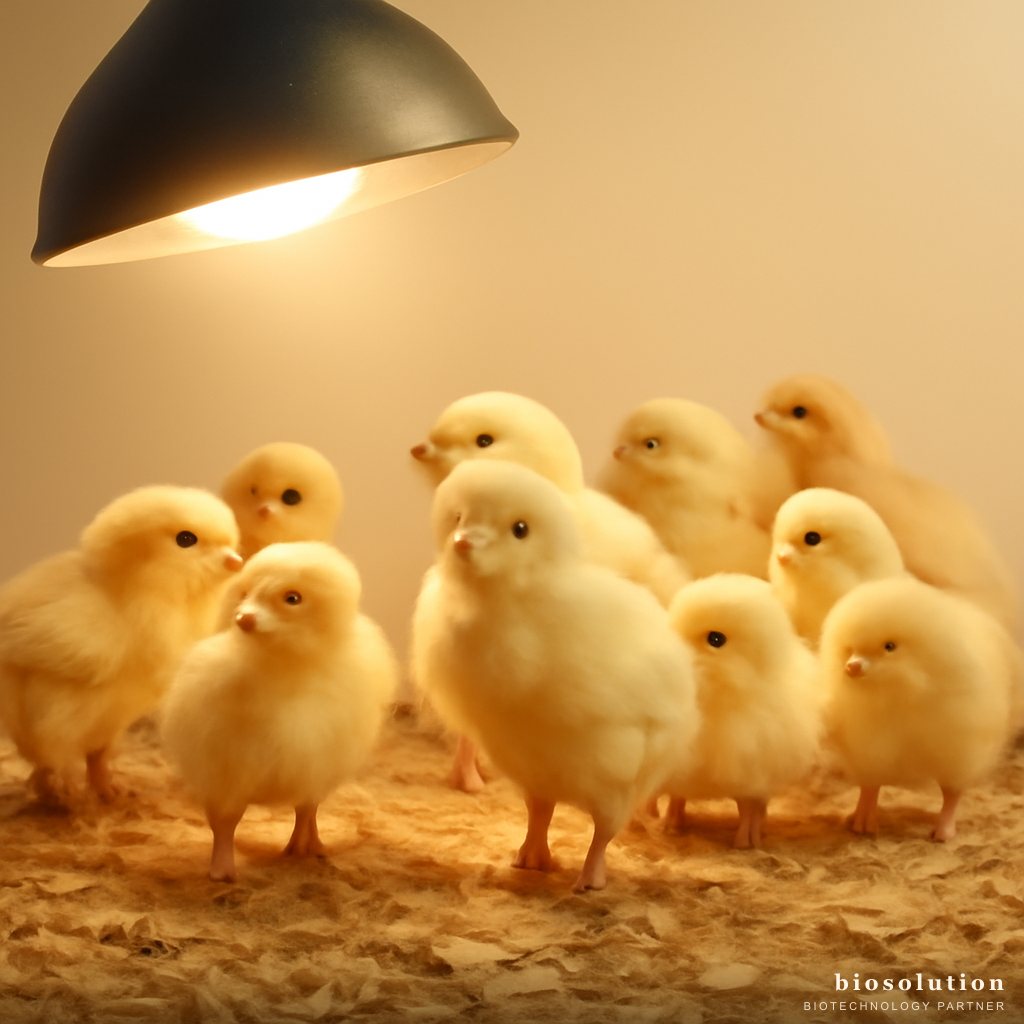
Priming gut flora in DOC (Day-Old Chick) is an essential strategy in hatchery management and modern broiler farming integration. Given that the digestive system of DOC is sterile at hatch, early inoculation with beneficial bacteria can determine long-term performance, including feed efficiency (FCR) and average daily gain (ADG). This article technically reviews how to apply Formula Probiotik Ayam Pedaging—Biosolution's flagship product—through three main routes: drinking water, feed, and drench. By understanding the advantages and procedures of each method, you can choose the priming strategy best suited to your hatchery or farm operational conditions.
Why Is Priming Gut Flora in DOC Important?
DOC are born with a relatively sterile digestive tract. The barn environment, feed, and drinking water become the first sources of microbes that will colonize the gut. Without proper intervention, pathogenic bacteria such as Escherichia coli, Salmonella, or Clostridium can dominate, causing digestive disorders, diarrhea, and increased mortality. Priming gut flora with probiotics aims to accelerate the colonization of beneficial bacteria that naturally compete with pathogens through competitive exclusion mechanisms.
Formula Probiotik Ayam Pedaging contains three superior strains: Lactobacillus acidophilus, which lowers gut pH through lactic acid production; Bacillus subtilis, which produces digestive enzymes and antimicrobial compounds; and Bacillus coagulans, which forms heat-resistant spores, making it compatible with pellet feed manufacturing. Product performance data shows an 8–12% improvement in FCR, a 5–10% increase in ADG, and significant suppression of enteric pathogens. With proper priming, a mortality target below 3% within 35 days of rearing can be achieved.
Application Method via Drinking Water
Applying probiotics through drinking water is the most practical and widely used method, especially during the starter phase. Its advantages include even distribution across the entire flock, ease of mixing, and dosage flexibility. Here is the technical guide for using Formula Probiotik Ayam Pedaging via drinking water:
Preparation and Dosage
- Dosage: 1 ml per liter of drinking water.
- Frequency: Daily during the starter period (days 1–14), then 3 times per week during the grower–finisher period (days 15–35).
- Timing: In the morning after feeding, to ensure the chickens are actively drinking.
Application Procedure
- Ensure the drinking water system is clean and free from disinfectant residues (chlorine or halogen compounds) that can kill probiotics. If using chlorine, neutralize it first or allow a 2-hour gap after chlorination.
- Prepare a stock solution by mixing the probiotic into clean water according to the dosage. Stir gently until homogeneous.
- Pour the solution into the drinking water tank or medicator. Ensure a stable water flow so each DOC receives an equal dose.
- Monitor water consumption; if it decreases, check the cleanliness of drinkers and water temperature. The probiotic remains stable at barn temperature (28–32°C) for 24 hours.
Advantages and Limitations
The drinking water method is highly effective for the starter phase because DOC tend to drink more frequently. However, during the finisher phase, water consumption can vary among individuals, so the dose per bird may not be uniform. Additionally, probiotics in drinking water must be consumed within 24 hours to maintain bacterial viability. It is recommended to prepare a fresh solution daily.
Application Method via Feed
Applying probiotics through feed offers higher stability, especially when using spore-forming strains like Bacillus coagulans. This method is suitable for hatcheries that produce their own feed or collaborate with feed mills. Here are the details:
Preparation and Dosage
- Dosage: 2 ml per kg of feed (equivalent to 2 liters per ton of feed).
- Frequency: Same as the drinking water method—daily during starter, 3 times/week during grower–finisher.
- Timing: Mixed during feed manufacturing or sprinkled on top of feed before feeding.
Application Procedure
- Mixing at the Feed Mill: Since Bacillus coagulans forms spores, the probiotic can be added before the pelleting process without concern for viability loss due to heat (pelleting temperature 70–90°C). Ensure even mixing using a vertical or horizontal mixer.
- Mixing at the Farm: If feed is already prepared, spray the liquid probiotic slowly while stirring using a portable feed mixer. Alternatively, sprinkle the probiotic on top of the feed in the feeder and mix manually.
- Ensure that feed mixed with probiotic is given within 24 hours to maintain freshness.
Advantages and Limitations
The feed method ensures that each chicken receives a consistent amount of probiotic because feed is consumed evenly. Additionally, the use of Bacillus coagulans spores guarantees stability during feed storage. However, investment in mixing equipment may be required, and the risk of cross-contamination with other feed ingredients needs to be anticipated.
Application Method via Drenching
Drenching is a direct application method into the DOC's mouth, usually performed during vaccination or initial handling at the hatchery. This method provides a precise dose per bird and is highly effective for initial priming. Here is the guide:
Preparation and Dosage
- Dosage: 0.1–0.2 ml per DOC (equivalent to 1 ml per liter of drinking water converted to drench volume).
- Frequency: Once on day one (D1) at the hatchery, can be repeated on day three if necessary.
- Timing: Concurrent with vaccination or when DOC first arrive at the farm.
Application Procedure
- Prepare a probiotic solution at a concentration of 1 ml probiotic per 10 ml clean water (for ease of pouring).
- Use a calibrated drench gun or needleless syringe. Fill with the solution according to the dose per bird.
- Gently hold the DOC, open its beak, and spray the solution into the mouth. Ensure the chick swallows before releasing.
- Perform in the morning before feeding or drinking to avoid regurgitation.
Advantages and Limitations
Drenching provides an accurate dose per individual, ideal for weak DOC or during stress conditions. However, this method requires extra labor and time, making it less efficient for large populations (>10,000 birds). It is recommended for small-scale hatcheries or as a supplement for DOC showing signs of digestive disorders.
Comparison of the Three Methods: Which Is Best?
The choice of application method depends on operational scale, available facilities, and specific priming goals. The following table summarizes the comparison:
| Method | Advantages | Limitations | Suitable for |
|---|---|---|---|
| Drinking water | Practical, even distribution, low cost | Less precise dose per bird, needs clean water | Starter phase, large populations |
| Feed | Consistent dose, heat stable, suitable for pellets | Requires mixer, contamination risk | Grower–finisher phase, own feed mill |
| Drenching | Precise dose, effective for weak DOC | Labor-intensive, slow | Small hatcheries, initial handling |
For optimal results, a combination of methods can be applied: drenching on D1 at the hatchery, followed by drinking water or feed in the barn. This ensures gut flora priming from the start along with sustained microbiome maintenance.
Conclusion
Priming gut flora in DOC with probiotics is an initial investment that determines the success of broiler rearing. Biosolution's Formula Probiotik Ayam Pedaging, with three superior strains (Lactobacillus acidophilus, Bacillus subtilis, Bacillus coagulans), offers application flexibility through drinking water, feed, or drench. Each method has its advantages and limitations; selection should be tailored to operational conditions. By following the correct dosage and frequency guidelines—1 ml/L drinking water or 2 ml/kg feed—you can achieve an 8–12% improvement in FCR and a 5–10% increase in ADG, while also reducing mortality and antibiotic residues.
For further consultation on priming strategies suitable for your hatchery, contact the Biosolution technical team via WhatsApp. See product details for Formula Probiotik Ayam Pedaging and find the right solution for your farm.