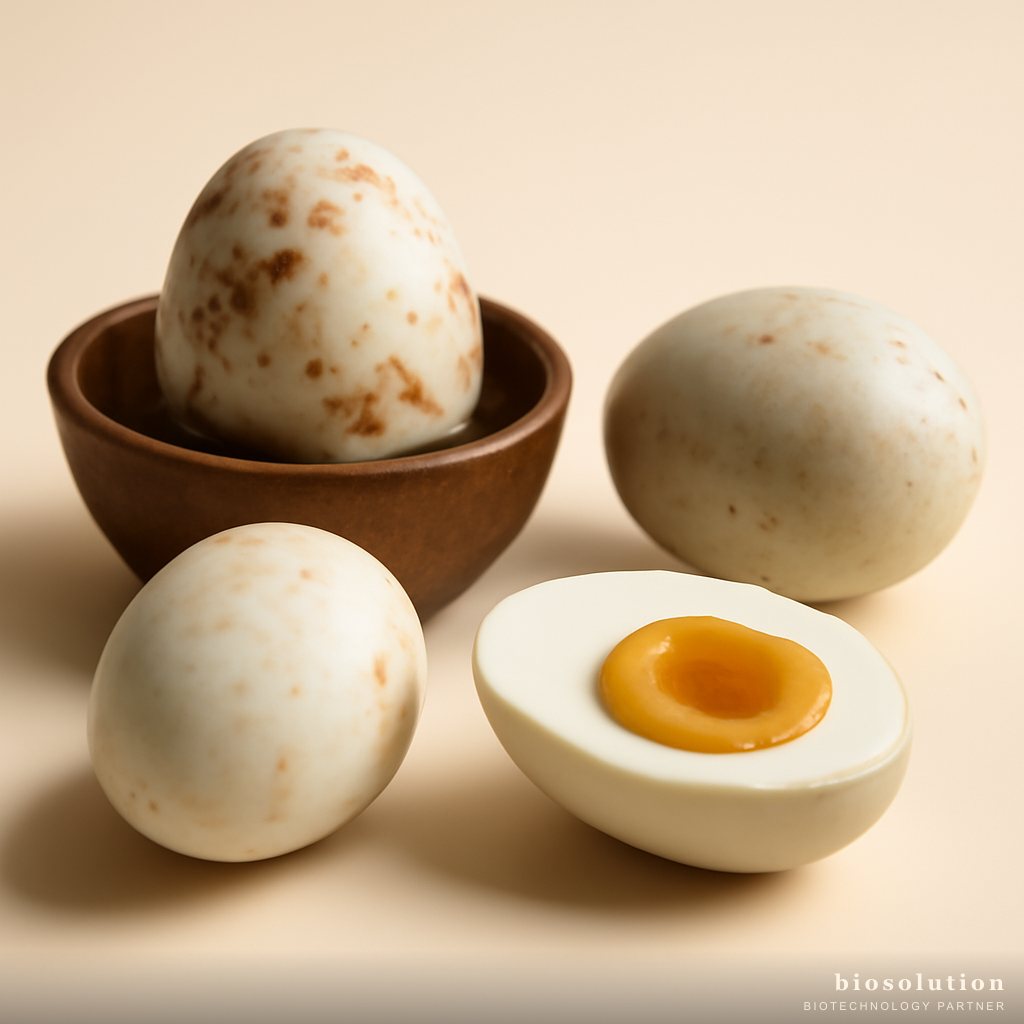
Thin Eggshells? Solve with Layer Probiotic Formula
Thin and cracked eggshells are a nightmare for commercial layer farmers. Besides lowering egg quality, this condition directly cuts selling prices because cracked or broken eggs are not suitable for grade A. Many factors cause it, from calcium deficiency, heat stress, to impaired nutrient absorption in the gut. However, a modern microbiology-based solution is now available: Layer Probiotic Formula from Biosolution. This article will thoroughly discuss how to apply this probiotic—via drinking water, feed, or drench method—so you can overcome thin eggshells effectively and sustainably.
Why Are Eggshells Thin and Cracked?
Eggshell quality is determined by calcium carbonate deposition in the hen's reproductive tract. This process requires a consistent supply of calcium from feed and the gut's ability to absorb the mineral. Unfortunately, several factors interfere:
- Heat stress: Overheated hens reduce feed intake, drastically lowering calcium intake.
- Gut microbiota imbalance: Diarrhea or dysbiosis hinders nutrient absorption, including calcium and phosphorus.
- Subclinical infections: Pathogens like Salmonella or E. coli trigger intestinal inflammation that disrupts absorption.
- Unbalanced calcium: Incorrect calcium-phosphorus ratio or overly fine calcium particles.
Probiotics work from within the gut to optimize calcium absorption and suppress pathogens, resulting in thicker and more uniform eggshells.
Layer Probiotic Formula: Superior Composition
This product contains three selected probiotic bacterial strains that synergize:
- Lactobacillus bulgaricus: Produces lactic acid that lowers gut pH, suppressing the growth of Salmonella and other pathogenic bacteria. The acidic environment also aids calcium solubility.
- Lactobacillus acidophilus: Stabilizes gut microbiota, improves intestinal villi, and increases nutrient absorption surface area.
- Bacillus coagulans: A spore-forming bacterium resistant to heat and stomach acid. After germinating in the gut, it produces phytase and protease enzymes that help release calcium bound to phytate, increasing mineral bioavailability.
This combination not only improves digestion but also directly supports calcium deposition into the eggshell.
How to Apply Layer Probiotic Formula
According to product data, the recommended dose is 1 ml per liter of drinking water, given daily during the production period, preferably in the morning. However, farmers often ask: can it be mixed with feed or given via drench? Here's the explanation.
Via Drinking Water (Main Method)
This is the most practical and recommended method. Liquid probiotic is mixed into drinking water at a dose of 1 ml/liter. Ensure drinking water is clean and does not contain excess chlorine (let chlorinated water sit for 1-2 hours before mixing probiotic). Advantages:
- Even distribution to all hens.
- Easy dose control.
- Does not alter feed formulation.
Consistency is key: give daily at the same time, in the morning when hens are actively drinking.
Via Feed (Alternative)
If the drinking water system is not feasible (e.g., nipple drinkers without mixing point), probiotic can be mixed into feed. However, note:
- Liquid probiotic must be sprayed evenly onto feed and given immediately to avoid degradation.
- Adjust dose: 1 ml per 1 kg of feed (assuming hens drink 1 liter of water per day equivalent to 1 kg of feed).
- Do not mix probiotic with feed containing antibiotics or anticoccidials simultaneously; allow a 4-6 hour interval.
This method is less precise because individual feed intake may vary.
Via Drench (Quick Method for Sick Hens)
Drench is direct administration into the hen's mouth using a syringe without a needle. This method is suitable for hens that are stressed, sick, or have reduced appetite/drinking. Dose: 0.5-1 ml per bird, once daily for 3-5 days. Ensure probiotic is slowly administered into the side of the mouth to prevent choking.
Drench ensures the hen receives the full dose even if not drinking. After recovery, return to the drinking water method.
Real Benefits for Eggshell Quality
Product data shows that routine use of Layer Probiotic Formula can:
- Increase egg production by 3–5% due to better gut health.
- Thicken eggshells making them stronger and less prone to cracking.
- Significantly reduce cracked egg cases.
- Maintain production persistence (peak production lasts longer).
Internal studies show that hens given probiotics had an average eggshell thickness of 0.38 mm compared to 0.34 mm in controls, with a reduction in cracked eggs of up to 40%.
Supporting Factors for Success
For maximum results, consider the following:
- Feed quality: Ensure feed contains large particle calcium (grit) at about 3-4% and available phosphorus.
- Stress management: Avoid overcrowding, ensure good ventilation, and provide adequate shade.
- Clean drinking water: Change water daily, clean drinkers regularly.
- Consistency: Probiotics work cumulatively. Optimal effects are seen after 2-3 weeks of use.
Conclusion
Thin and cracked eggshells are no longer a difficult problem to solve. By understanding the causes and applying the right probiotic solution, farmers can improve egg quality and productivity. Biosolution's Layer Probiotic Formula, with three superior strains and flexible application methods (drinking water, feed, or drench), offers a practical scientific solution. Don't hesitate to start a probiotic program on your farm. For further consultation, contact the Biosolution team via WhatsApp or see product details at the following link: Layer Probiotic Formula.
Also read related article: Tips to Prevent Broken Eggs Before Harvest.
External reference: Food and Agriculture Organization (FAO) on the role of probiotics in poultry: FAO Probiotics in Poultry.