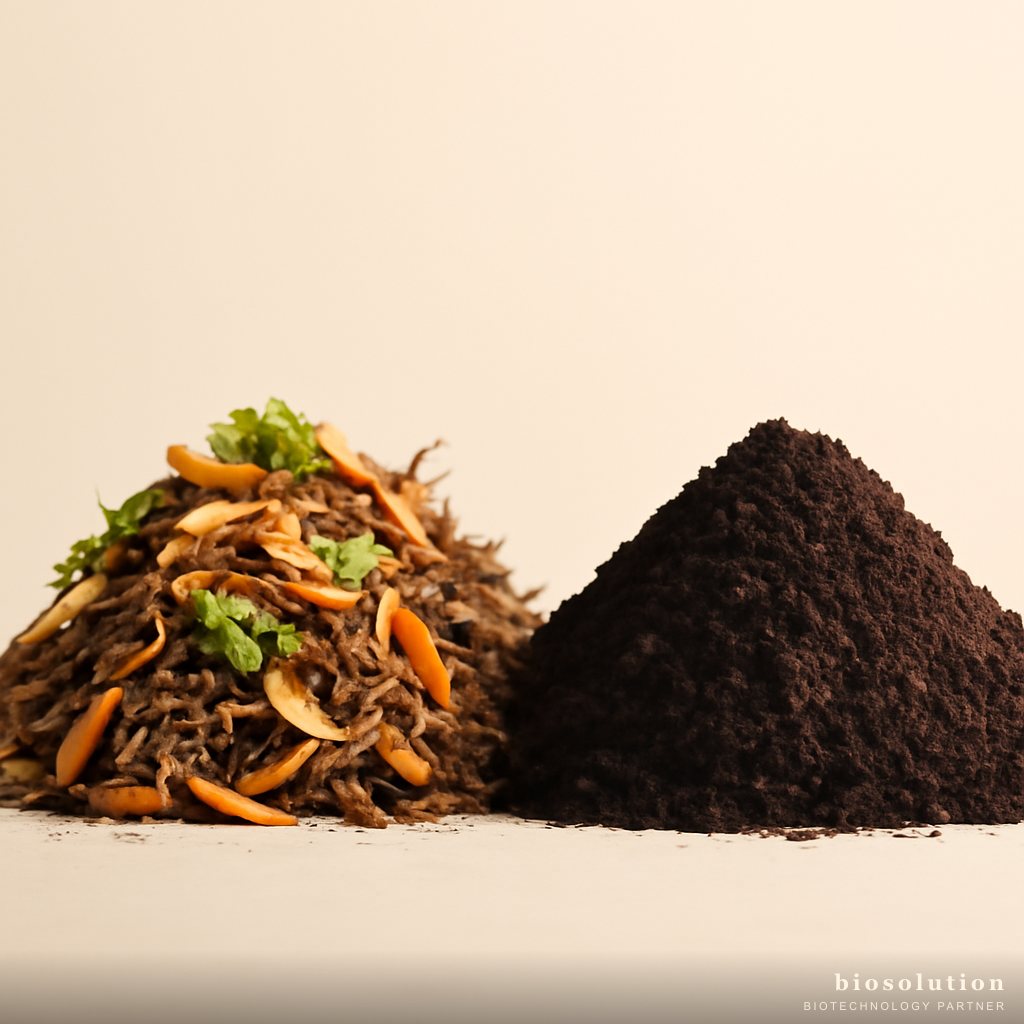
Urea Fertilizer Replacement: N-Fixing Biofertilizer for Regenerative Agriculture
Urea fertilizer is a major nitrogen source for crops, but its excessive use causes negative impacts such as soil degradation, water pollution, and greenhouse gas emissions. As a solution, nitrogen-fixing biofertilizers emerge as an environmentally friendly and sustainable alternative to urea fertilizer. By utilizing microbes such as Rhizobium sp. and Azospirillum sp., farmers can reduce urea dosage by up to 50% without sacrificing crop yields. This article will technically discuss how biofertilizers work, how to apply them, and why they are key to regenerative agriculture.
What is Nitrogen-Fixing Biofertilizer?
Nitrogen-fixing biofertilizer is a biological product containing live microbes capable of fixing nitrogen from the air (N₂) and converting it into ammonia (NH₃) that plants can absorb. Unlike urea fertilizer, which is chemically produced with high energy, biofertilizers work naturally through symbiosis or association with plants. The two main groups of N-fixers are:
- Symbiotic fixers: such as Rhizobium sp., which form root nodules on legumes. These bacteria provide nitrogen directly to the host plant.
- Associative fixers: such as Azospirillum sp., which live around the roots of grasses (rice, corn, wheat) and contribute nitrogen through excretion of nitrogen compounds.
The microbial consortium in Biosolution products, for example 5-in-1 Liquid Biofertilizer Formula, combines Rhizobium sp., Azospirillum sp., Bacillus subtilis, Pseudomonas fluorescens, and Trichoderma sp.. This combination not only fixes N but also solubilizes phosphate, stimulates root growth, and controls soil pathogens.
Mechanism of Biofertilizer in Replacing Urea
Nitrogen Fixation by Rhizobium and Azospirillum
Rhizobium sp. infects legume roots and forms nodules. Inside the nodules, bacteria convert N₂ into NH₃ using the nitrogenase enzyme. Plants then utilize NH₃ for protein synthesis. In non-legume plants, Azospirillum sp. lives in the rhizosphere and fixes N₂ associatively, releasing ammonium and amino acids that are directly absorbed by roots. Research shows that Azospirillum inoculation can contribute 20-40% of N requirements in rice and corn (Okon & Labandera-Gonzalez, 1994).
Phosphate Solubilization and Phytohormone Production
In addition to N fixation, Bacillus subtilis and Pseudomonas fluorescens solubilize bound phosphate in the soil into forms available to plants. They also produce phytohormones such as IAA (auxin) that stimulate root elongation, making plants more efficient in absorbing water and nutrients. With healthier roots, plants can optimally utilize N from biofertilizers.
Synergistic Effect of Consortium
The combination of five strains in one product creates synergy: Trichoderma sp. decomposes organic matter and controls soil pathogens, while Pseudomonas fluorescens produces siderophores that bind iron and inhibit pathogenic fungi. As a result, soil becomes healthier, nutrient cycles are more efficient, and the need for chemical fertilizers decreases drastically.
How to Apply Biofertilizer to Replace Urea
Dosage and Frequency
Biofertilizer application must be done regularly to maintain microbial populations. Biosolution products are recommended at a dosage of 5-10 ml per liter of water, applied to the root zone or sprayed onto the soil every 10-14 days, 3-5 times per growing season. The best time is in the morning before 10 AM or in the afternoon after 4 PM to avoid UV rays that can kill microbes.
Integration with Chemical Fertilizers
Biofertilizer is not a total replacement for urea fertilizer, but a partner to reduce dosage. At the beginning of the season, farmers still need to apply basal fertilizer (e.g., 50% of the recommended urea dose) to meet early plant needs. After that, regular biofertilizer application will supply additional N. In rice, using biofertilizer can reduce urea by up to 50% without decreasing yield, and even increase it by 20-30% (data from Biosolution field trials).
Tips for Successful Application
- Ensure the soil is moist before application so microbes are active.
- Do not mix biofertilizer with chemical pesticides or fungicides in the same tank.
- Use clean water without chlorine (let well water sit overnight).
- Store the product in a cool, dark place.
Benefits of Biofertilizer for Regenerative Agriculture
Regenerative agriculture aims to restore soil health, increase biodiversity, and sequester carbon. N-fixing biofertilizers support this through:
- Reducing greenhouse gas emissions: Urea production releases CO₂ and N₂O. By reducing urea, the agricultural carbon footprint decreases.
- Improving soil structure: Microbes produce polysaccharides that bind soil particles, increasing porosity and water infiltration.
- Increasing organic matter: Trichoderma and Bacillus decompose plant residues into humus.
- Suppressing plant diseases: Pseudomonas and Trichoderma as biocontrol agents reduce the need for fungicides.
Thus, biofertilizer is not only a functional replacement for urea fertilizer but also a tool for transitioning to a more resilient and sustainable agricultural system.
Case Study: Urea Reduction in Rice
Field trials in West Java showed that application of 5-in-1 Liquid Biofertilizer Formula on IR64 rice with a 50% urea reduction (from 250 kg/ha to 125 kg/ha) yielded 7.2 tons/ha of dry grain, 15% higher than the control with full urea (6.3 tons/ha). This was due to N supply from Azospirillum and increased uptake of other nutrients from phosphate-solubilizing Bacillus. Additionally, plants were greener and roots longer due to phytohormone production.
Conclusion
Nitrogen-fixing biofertilizers such as those in 5-in-1 Liquid Biofertilizer Formula are an effective solution as a replacement for urea fertilizer. Through N fixation, P solubilization, and growth stimulation, this product can reduce urea usage by up to 50% while increasing crop yields by 20-30%. For farmers looking to transition to regenerative agriculture, biofertilizer is the right first step. For further consultation on dosage and application, contact the Biosolution team via WhatsApp. Also get information about other regenerative agriculture solutions.
FAQ
Can biofertilizer completely replace urea fertilizer?
Not completely. Biofertilizer supplies nitrogen gradually and cannot meet plant needs in the early growth phase. It is best to use 50% of the recommended basal fertilizer dose, then supplement with regular biofertilizer applications. In legume crops, Rhizobium can supply almost all N needs, so urea can be reduced more drastically.
How many times should biofertilizer be applied in one growing season?
It is recommended to apply 3-5 times at intervals of 10-14 days. Start the first application when plants are 7-10 days after transplanting. Frequency can be adjusted based on soil and crop conditions. For optimal results, apply consistently.
Is biofertilizer safe for the environment and humans?
Very safe. The microbes used are non-pathogenic strains that have been tested. Biofertilizer leaves no chemical residues, does not contaminate groundwater, and is not harmful to farmers during application. Biosolution products are registered with the Ministry of Agriculture.
Can biofertilizer be mixed with other chemical fertilizers?
Yes, but do not mix directly in the spray tank with strong oxidizing fertilizers (e.g., high-dose urea). It is better to apply separately: chemical fertilizers as basal, and biofertilizer 3-5 days later. Avoid mixing with fungicides or bactericides.
Where can I buy Biosolution biofertilizer products?
Products are available at Biosolution partner agricultural stores or can be ordered directly through the website. For more information, visit the product page or contact our WhatsApp.