Generative Phase Boosting POC: More Flowers, More Fruits
Every fruit farmer dreams of trees with abundant flowers and fruits. However, reality in the field is often different: flowers easily drop, fruits are small, or trees refuse to bear fruit. The generative phase —the transition from vegetative to reproductive growth— is a critical period requiring specific nutrients and hormones. This is where the role of generative phase boosting POC becomes decisive. With the right formula, liquid organic fertilizer (POC) can trigger simultaneous flowering, reduce drop, and improve fruit quality. This article thoroughly discusses causes of generative phase disorders, symptoms to watch for, and microbe-based solutions proven effective for stimulating flowers and fruits.
Why Does the Generative Phase Often Fail?
The generative phase is the peak of a fruit plant's life cycle. Unfortunately, many factors hinder it. Understanding the causes of this failure is important before choosing a solution.
Hormonal Imbalance
Plants require a specific hormone ratio to switch from vegetative to generative. Excessive dominance of auxins and gibberellins can delay flowering. Conversely, cytokinins and ethylene play a role in triggering flower initiation. Environmental stress such as drought or extreme temperatures also disrupts hormone balance.
Micronutrient Deficiency
Elements like boron, zinc, and molybdenum are vital for pollen formation, pollination, and fruit development. Boron deficiency, for example, causes flower drop and abnormal fruits. Macronutrient availability (N, P, K) must also be regulated: excess nitrogen triggers leaf growth (vegetative) at the expense of flowers.
Pathogen and Pest Attack
Fungal infections such as Botrytis cinerea or bacteria can cause flower rot. Pests like thrips and aphids also damage reproductive organs. Plants stressed by pathogen attack prioritize defense over reproduction.
Extreme Environmental Conditions
High rainfall, excessive humidity, or strong winds disrupt pollination. Temperatures above 35°C or below 15°C can kill pollen. Plants exposed to abiotic stress shed flowers as a survival mechanism.
Symptoms of Plants Needing Generative Phase Boosting POC
Recognizing early symptoms of nutrient or hormone deficiency is crucial for targeted intervention. Here are signs that plants need generative phase boosting POC:
- Few or no flowers even though the plant is old enough. This indicates the plant is still in vegetative mode.
- Flowers drop before fully blooming. Usually caused by boron or zinc deficiency, or fungal attack.
- Small, misshapen, or easily falling fruits. Potassium and calcium deficiency are often the cause.
- Dark green and dense leaves, but no signs of flowering. Indication of excess nitrogen.
- Excessive water sprout growth on the main stem. This diverts energy from generative to vegetative.
- Pale fruit color and less sweet taste. Indicates suboptimal sugar and pigment accumulation.
If you find the above symptoms, it's time to apply POC specially formulated to stimulate the generative phase.
Flower & Fruit Trigger POC Formula: Synergy of Microbes and Natural Nutrients
One solution specifically designed to address generative phase problems is the Flower & Fruit Trigger POC Formula. This product combines three main components that work synergistically:
PGPR Consortium (Plant Growth-Promoting Rhizobacteria)
PGPR are beneficial bacteria living in the rhizosphere. In this formula, the PGPR consortium plays a role in triggering the production of growth hormones such as cytokinins and gibberellins. They also increase micronutrient availability by solubilizing phosphate, fixing nitrogen, and producing siderophores that bind iron. Thus, plants get essential nutrients for flower and fruit formation.
Seaweed Extract
Seaweed is rich in natural cytokinins (zeatin, isopentenyladenine) that directly stimulate flower initiation. Additionally, seaweed extract contains over 60 micronutrients, amino acids, and polysaccharides that strengthen fruit cell walls so they don't easily drop. Cytokinins also help delay leaf senescence, keeping leaves green and productive during fruit filling.
Humic & Fulvic Acids
Humic and fulvic acids act as nutrient carriers. They form complexes with nutrient ions, making them more easily absorbed by roots. Fulvic acid can also penetrate leaf cuticles when applied foliarly. Moreover, these compounds stimulate lateral root growth, increasing water and nutrient uptake. Healthy roots support nutrient supply to fruits.
Mechanism of Action of the POC Formula
When applied foliarly or as a drench, this formula works in several stages:
- 0-3 days: PGPR begin colonizing the rhizosphere and producing phytohormones. Seaweed extract provides cytokinin signals to apical meristems.
- 4-7 days: Flower initiation begins. Humic acid increases soil cation exchange capacity, releasing bound nutrients.
- 7-14 days: Flowers fully bloom, optimal pollination. Young fruits form with strong cell walls thanks to available calcium and boron.
- 14-28 days: Fruit filling proceeds efficiently. PGPR continue producing hormones to prevent drop.
Trials show an increase in yield per tree of 15-25% and a reduction in flower/fruit drop of up to 30%.
Proper POC Application for Maximum Results
Although this POC formula is easy to use, correct application techniques will maximize its benefits. Follow these guidelines:
Dosage and Frequency
- Dosage: 3-5 ml per liter of water. For mature plants, use 5 ml/L; for seedlings or young plants, 3 ml/L.
- Frequency: Every 7-10 days during the generative phase (from early flower formation until fruit ripening).
- Best time: Morning before 10 AM. Avoid application during scorching sun or rain.
Application Methods
- Foliar Spray: Spray evenly over the entire leaf surface, especially the underside where stomata are open. Use a fine nozzle to avoid large droplets.
- Drench: Pour the solution onto the root zone. Ensure the soil is moist for optimal absorption.
Additional Tips
- Combine with scheduled irrigation to maintain soil moisture.
- Perform light pruning to remove water sprouts and unproductive old leaves.
- Keep the field free of weeds that can harbor pests.
Case Studies: Yield Improvement in Chili and Mango Plants
Cayenne Pepper
Farmers in East Java complained that their cayenne pepper plants produced few flowers and fruits. After applying Flower & Fruit Trigger POC Formula at 4 ml/L every 7 days, abundant flowers appeared within 2 weeks. Flower drop decreased drastically, and harvest increased by 20% compared to the previous season.
Gedong Gincu Mango
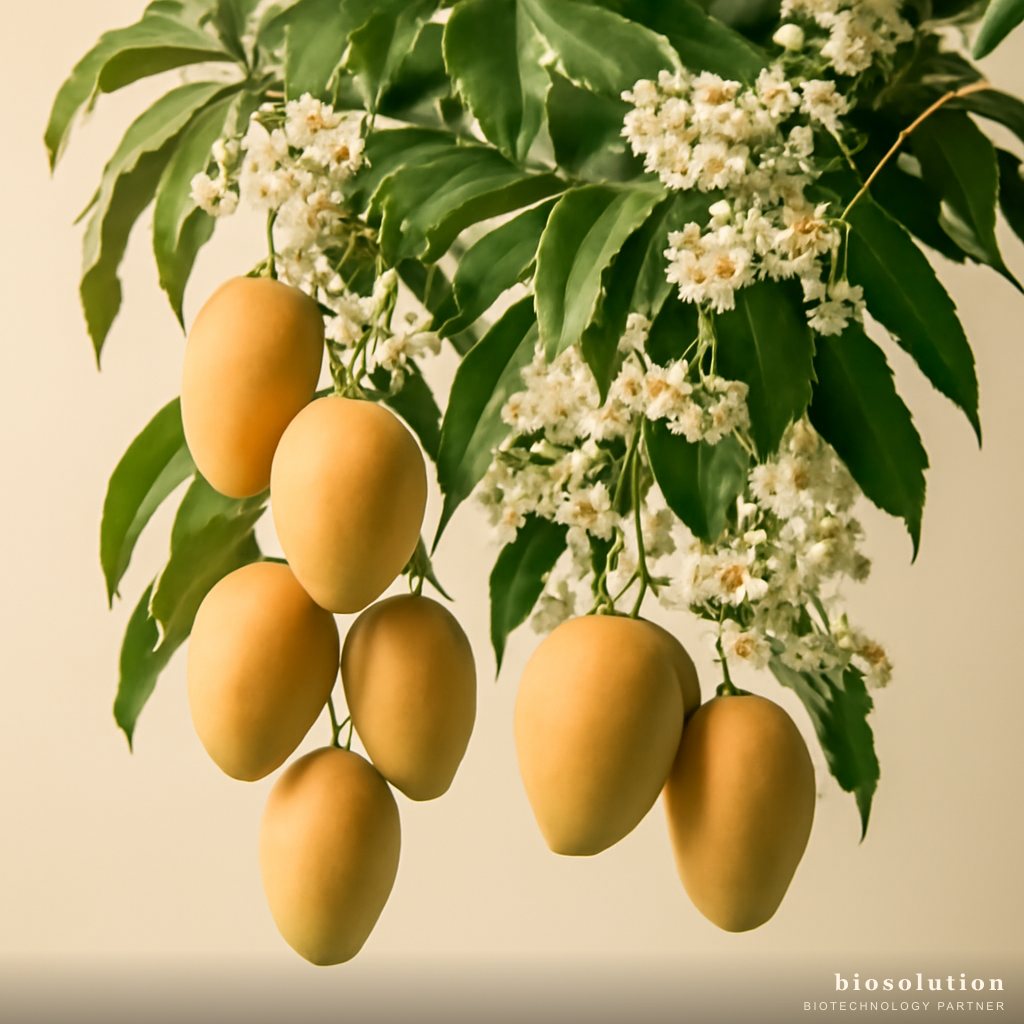
The dry season often causes mango trees to fail to flower. By spraying this POC at the beginning of the dry season, 7-year-old mango trees produced 150 kg of fruit per tree, up from an average of 110 kg. The fruits were also sweeter and had a longer shelf life.
Advantages of Organic POC for Certification and Sustainability
Generative phase boosting POC is not only effective but also safe for the environment and consumer health. Because it is made from organic ingredients (PGPR, seaweed extract, humic acid), this product is suitable for organic and sustainable agriculture. It leaves no harmful chemical residues on fruits, making it easier for farmers to obtain organic certification. Additionally, PGPR improves soil structure in the long term, increasing soil microbial biodiversity.
Conclusion
An optimal generative phase is the key to abundant harvests. By understanding the causes of failure, recognizing symptoms, and using the right generative phase boosting POC such as the Flower & Fruit Trigger POC Formula, farmers can effectively stimulate flowers and fruits. This formula based on PGPR consortium, seaweed extract, and humic acid has been proven to increase yield by 15-25% and reduce flower/fruit drop by up to 30%. For maximum results, apply regularly with the correct dosage and timing. If you want further consultation or to try this product, contact the Biosolution team via WhatsApp for recommendations tailored to your field conditions.
FAQ
What is generative phase boosting POC?
Generative phase boosting POC is a liquid organic fertilizer specially formulated to stimulate flowering and fruiting. Its contents include a PGPR consortium, seaweed extract (source of cytokinins), and humic and fulvic acids that act as nutrient carriers. This product helps plants transition from vegetative to generative phase, increases flower count, reduces drop, and improves fruit quality.
When is the best time to apply this POC?
The best time is in the morning before 10 AM, when leaf stomata are wide open and the weather is not too hot. Avoid application during rain or strong winds. Ideal frequency is every 7-10 days during the generative phase, from the appearance of flower buds until fruit ripening.
Is this POC safe for fruit plants that will be consumed?
Very safe. The Flower & Fruit Trigger POC Formula is made from natural organic ingredients such as PGPR microbes, seaweed extract, and humic acid. It contains no harmful synthetic chemicals, so it leaves no residue on fruits. This product is suitable for organic farming and safe for consumers.
How to overcome flower drop due to boron deficiency?
Boron deficiency can be addressed by applying POC containing complete micronutrients. The Flower & Fruit Trigger POC Formula contains boron and zinc made available by PGPR. Foliar application every 7 days at the start of flowering can significantly reduce flower drop. Also ensure soil pH is neutral for optimal boron absorption.
Can this product be combined with pesticides?
It is best not to mix directly with chemical pesticides, as they can kill PGPR. If pesticide application is necessary, leave an interval of at least 2-3 days. For pest control, use botanical pesticides or biopesticides compatible with microbes. Consult an agronomist for further recommendations.