Anti Stress Duck Transport: 3 Application Methods of Multiphase Formula
Transportation and feed transition are two of the most critical moments in the duck production cycle. The resulting stress can trigger decreased immunity, diarrhea, and even death. To overcome this, farmers need an effective and easy-to-apply anti-stress solution for duck transport. Biosolution's Multiphase Anti-Stress Duck Formula offers three flexible application methods: via drinking water, feed, or drench. This article discusses proper usage based on field conditions, complete with dosage and frequency.
Why Are Transport and Feed Transition Stress Dangerous?
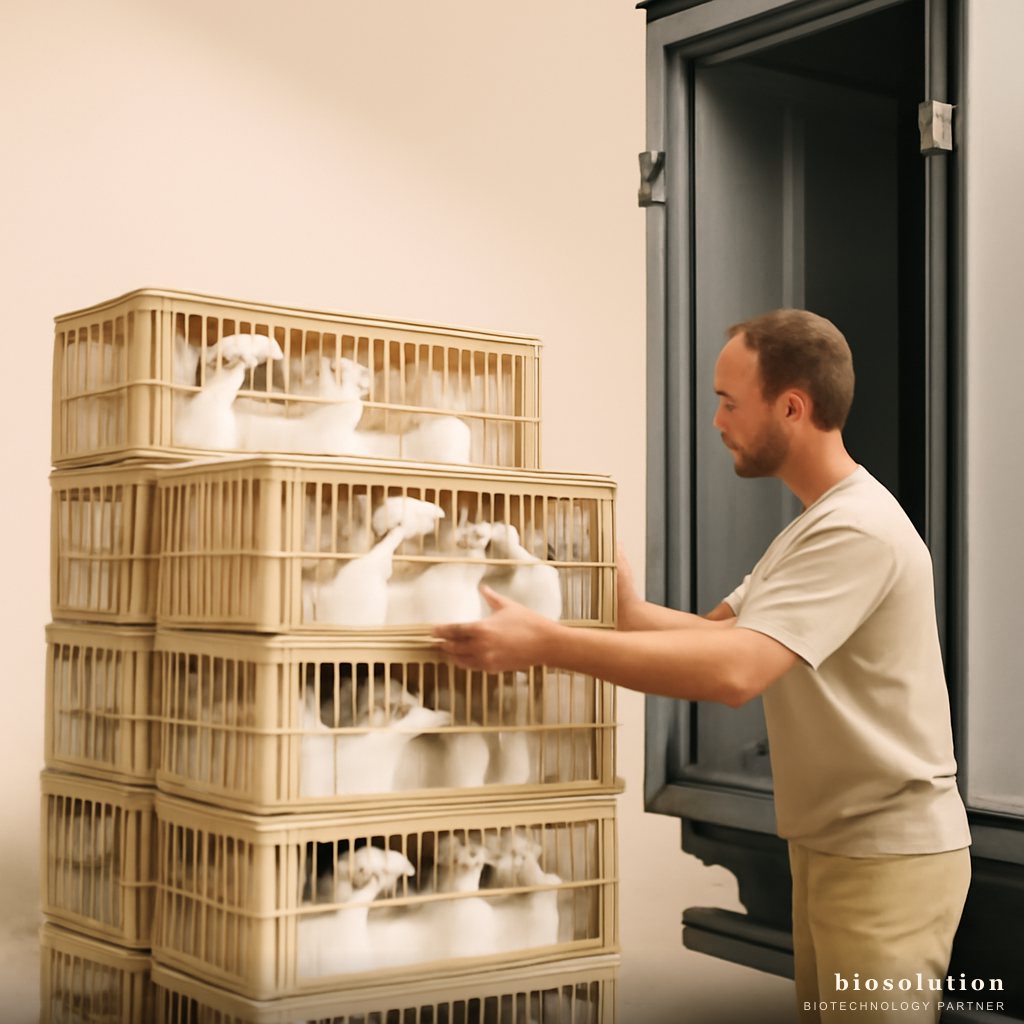
Stress in ducks not only reduces animal welfare but also directly impacts productivity. During transportation, ducks experience temperature changes, crowding, and vibrations that trigger the release of cortisol hormone. This condition suppresses the immune system and disrupts the balance of gut microflora. As a result, ducks become susceptible to secondary infections such as colibacillosis or salmonellosis.
Feed transition also triggers stress due to changes in nutrient composition and feed texture. Ducks that do not adapt well may experience diarrhea, decreased appetite, and stunted growth. FAO data shows that mortality due to transport stress can reach 5-10% in farms without good stress management.
This is where the role of probiotics and anti-stress vitamins becomes crucial. The Multiphase Anti-Stress Duck Formula contains Bacillus coagulans which forms heat-resistant spores, Lactobacillus casei as an immune modulator, and a vitamin premix for oxidative stress recovery. These three components work synergistically to strengthen the duck's body defenses from an early stage.
Multiphase Anti-Stress Duck Formula: Superior Composition
This product is specifically designed for ducks of all phases, especially when facing transport stress and feed transition. Here are the composition details:
Bacillus coagulans – Heat-Resistant Spores
This lactic acid bacterium has the ability to form spores that are resistant to high temperatures (up to 80°C) and low pH. When entering the digestive tract, the spores germinate and produce lactic acid, suppressing the growth of pathogenic bacteria such as E. coli and Salmonella. Additionally, B. coagulans stimulates the production of secretory IgA which strengthens intestinal mucosal immunity.
Lactobacillus casei – Immune Modulator
This strain is known for its ability to modulate immune responses through activation of macrophages and T cells. L. casei also produces bacteriocins that inhibit gram-negative bacteria. Its combination with B. coagulans creates an optimal prebiotic-probiotic synergy.
Vitamin Premix – Oxidative Stress Recovery
Oxidative stress due to transportation increases the need for antioxidant vitamins such as vitamin C, E, and B complex. The vitamin premix in this formula helps neutralize free radicals, accelerate tissue recovery, and maintain metabolic function.
Three Application Methods: Drinking Water, Feed, or Drench?
One of the advantages of the Multiphase Anti-Stress Duck Formula is its application flexibility. Farmers can choose the method that best suits their housing conditions and available resources. Here is the complete guide:
1. Via Drinking Water (Main Method)
This method is most recommended because it is easy to do and ensures each duck gets an even dose. The steps:
- Dosage: 2 ml per liter of drinking water.
- Frequency: Given during the stress period (3–5 days), twice daily (morning and evening).
- Preparation: Mix the formula into clean water, stir until dissolved. Ensure the drinking water does not contain excessive chlorine as it can reduce probiotic effectiveness. Let it sit for 10 minutes before administering.
- Note: If using a nipple drinker system, ensure there are no blockages. For highly stressed ducks, the dosage can be increased to 3 ml/liter on the first day.
2. Via Feed (Ration Mix)
This method is suitable for farms using dry or fermented feed. However, it should be noted that high feed temperatures (e.g., from pelleting) can damage probiotics. Therefore, application is better done on cooled feed or during final mixing.
- Dosage: 2–3 ml per kg of feed.
- Frequency: Mixed into each feed during the stress period.
- Method: Dilute the formula with a little water (1:1) then spray evenly onto the feed. Mix thoroughly.
- Advantage: Reduces direct contact with potentially contaminated water.
3. Via Drench (Direct Oral)
The drench method is used for ducks that are very weak or unwilling to eat/drink. It is usually done on ducks that have just arrived after long-distance transport. The steps:
- Dosage: 0.5–1 ml per bird (depending on weight).
- Tool: Use a syringe without a needle or a special drench tool.
- Technique: Insert the syringe tip into the corner of the mouth, slowly spray towards the esophagus. Ensure the duck swallows properly.
- Frequency: Twice daily for the first 2–3 days.
Application Method Comparison Table
| Method | Dosage | Advantages | Disadvantages |
|---|---|---|---|
| Drinking water | 2 ml/liter | Easy, even distribution | Requires clean water, low chlorine |
| Feed | 2–3 ml/kg | Suitable for dry feed | Risk of probiotic damage if temperature is high |
| Drench | 0.5–1 ml/bird | Targeted | Requires more labor |
Optimal Timing for Anti-Stress Administration
For optimal results, administration of the Multiphase Anti-Stress Duck Formula should be adjusted to the stress phase. Here is a timing guide:
- Before transport (1–2 days): Start via drinking water to prepare the ducks' immunity.
- During transport (if possible): For trips >6 hours, spray the formula onto wet feed or administer via drench during rest stops.
- After arrival (3–5 days): Continue administration for recovery. Focus on the first and second days.
- Feed transition: Give 2 days before and 3 days after feed change.
Tips for Successful Field Application
- Equipment Cleanliness: Clean drinking containers and drench tools daily to prevent contamination.
- Water Quality: Use water with pH 6–7 and free of chlorine. If necessary, add a dechlorinator.
- Combine with Management: Reduce stocking density, adjust ventilation, and provide adequate lighting to lower stress.
- Monitor Response: Observe appetite, feces, and duck activity. If there are signs of dehydration or diarrhea, consult immediately.
Conclusion
Transport stress and feed transition are real challenges that can threaten the success of duck farming. With the Multiphase Anti-Stress Duck Formula, farmers have a reliable weapon that can be applied flexibly: via drinking water, feed, or drench. The content of Bacillus coagulans, Lactobacillus casei, and vitamin premix works synergistically to strengthen immunity, reduce mortality, and accelerate recovery. For best results, choose the method that suits your housing conditions and follow the recommended dosage and frequency.
Interested in trying? Consult your farm needs via WhatsApp or see the complete product at Multiphase Anti-Stress Duck Formula.