Anti Stress Duck Transport: Antibiotic-Free Solution for Modern Farming
Transport stress and feed transition are two of the biggest challenges in commercial duck farming. Environmental changes, stocking density, and drastic feed changes can trigger physiological responses that suppress the immune system, reduce appetite, and increase mortality. In the era of antibiotic-free farming, farmers need smart, safe, effective, and sustainable solutions. This article thoroughly examines the mechanisms of stress in ducks, probiotic-based anti-stress strategies, and the role of Bacillus coagulans and Lactobacillus casei in rapid recovery. Discover how anti stress duck transport can be optimized through a multifase formula that supports animal welfare and production efficiency.
Why Are Transport Stress and Feed Transition Critical Issues?
Physiological Impact of Stress on Ducks
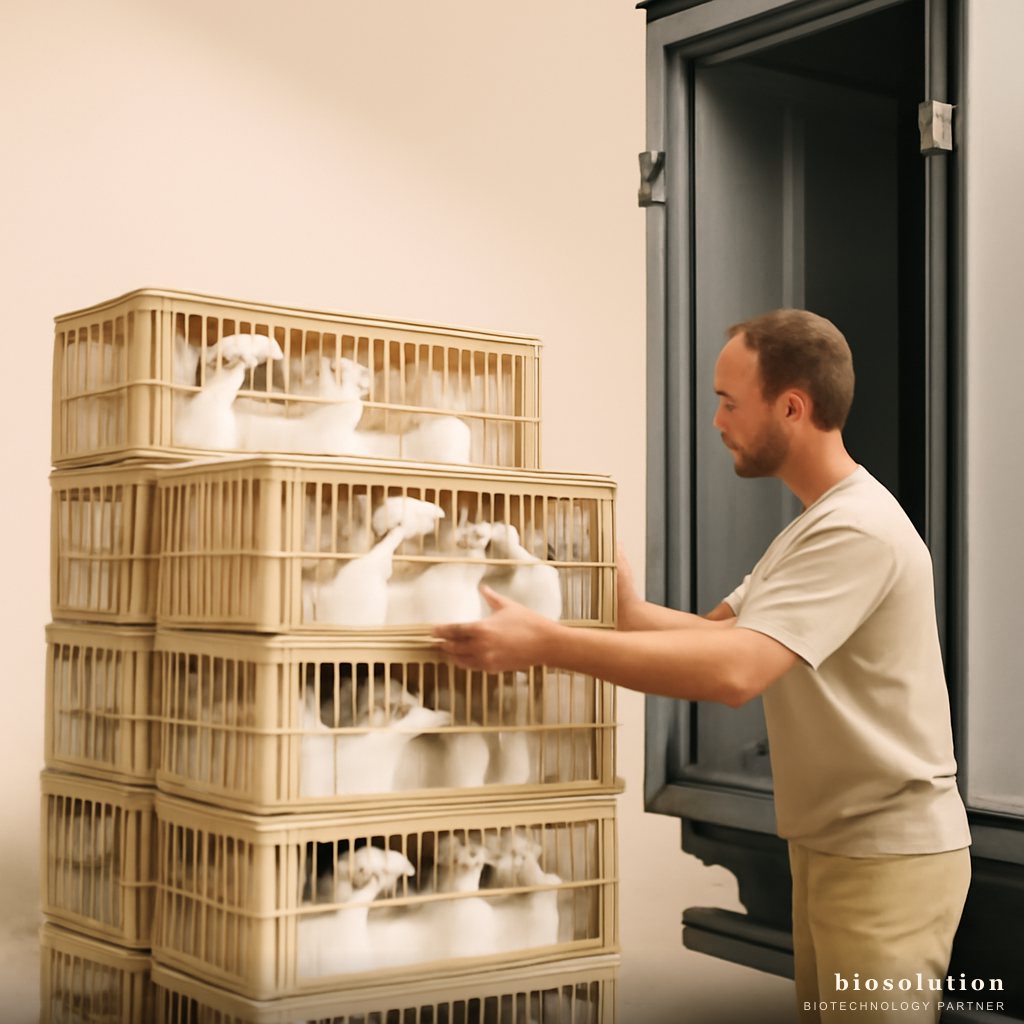
Stress in ducks triggers the release of corticosterone hormone, which increases protein catabolism, suppresses the immune system, and alters gut microbiota composition. As a result, ducks become susceptible to opportunistic pathogen infections such as Escherichia coli and Salmonella spp. Research from Gadjah Mada University shows that transport stress for 6 hours can reduce duck body weight by up to 5% and increase mortality by 3–7% within the first 48 hours (Source: scientific journal).
Main Risk Factors
- Stocking density not meeting standards.
- Extreme temperature fluctuations during travel.
- Sudden feed changes (e.g., from starter to grower).
- Poor drinking water quality.
Without proper stress management, economic losses due to mortality and reduced performance can reach tens of millions of rupiah per cycle.
The Role of Probiotics in Duck Stress Management
Mechanisms of Probiotics in Combating Stress
Probiotics such as Bacillus coagulans and Lactobacillus casei work through several mechanisms:
- Stabilizing gut microbiota: Preventing dysbiosis caused by stress.
- Modulating immunity: Increasing IgA production and regulatory T cells.
- Suppressing inflammation: Reducing pro-inflammatory cytokines (IL-6, TNF-α).
- Producing anti-stress metabolites: Such as short-chain fatty acids (SCFAs) that strengthen the gut barrier.
Case Study: Effectiveness in Ducks
Research at IPB University showed that administration of Bacillus coagulans to ducks experiencing transport stress reduced blood corticosterone levels by up to 30% and increased body weight by 8% higher than controls. Meanwhile, Lactobacillus casei was proven to accelerate appetite recovery after feed transition.
Multifase Anti-Stress Duck Formula: Composition and Mechanism of Action
Bacillus coagulans: Heat-Resistant Spores for Transport Stress
Bacillus coagulans has the ability to form spores resistant to high temperatures (up to 80°C) and stomach pH. This allows the probiotic to survive passage through the digestive tract and germinate in the small intestine. These spores also produce enzymes that aid feed digestion, reducing metabolic stress load.
Lactobacillus casei: Natural Immune Modulator
Lactobacillus casei is known as a probiotic that enhances mucosal immune response. In stressed ducks, L. casei stimulates the production of anti-inflammatory interleukin-10 (IL-10), thereby reducing intestinal tissue damage caused by oxidative stress.
Vitamin Premix: Recovery from Oxidative Stress
Stress increases the production of free radicals (ROS) that damage cells. Vitamins C and E in the premix act as antioxidants, repairing cellular damage and supporting collagen synthesis for tissue recovery. This combination accelerates the return of ducks to optimal performance.
Practical Application: Proper Administration and Dosage
Via Drinking Water Method
The anti-stress duck formula is administered through drinking water at a dose of 2 ml per liter of water for 3–5 days during stress periods. The best times are morning and evening when ducks are actively drinking. Ensure water is clean and does not contain excess chlorine that could kill the probiotics.
Proper Timing
- Before transport: Administer 2 days before shipment to build resilience.
- During feed transition: Start from day 1 to day 5 after feed change.
- Extreme weather: Administer when temperatures exceed 35°C or during heavy rain to maintain appetite.
Additional Tips
- Mix the formula in drinking water daily (do not store for more than 24 hours).
- Ensure drinkers are clean to avoid contamination.
- Monitor water consumption: If ducks drink less, increase palatability by adding a little sugar.
The Future of Antibiotic-Free Duck Farming
Regulations and Market Demands
Since the ban on Antibiotic Growth Promoters (AGP) by the Ministry of Agriculture in 2020, farmers are required to find natural alternatives. Probiotics, prebiotics, and phytobiotics have become primary choices. FAO data shows that probiotic use in poultry can reduce antibiotic use by up to 50% without sacrificing productivity.
Advantages of the Multifase Anti-Stress Duck Formula
- Zero residue: Safe for consumers and the environment.
- Easy to apply: Via drinking water, no infrastructure changes needed.
- Cost-effective: Reduces medication and synthetic vitamin costs.
- Supports animal welfare: Reduces stress and enhances natural immunity.
Future Innovations
Research continues to explore new probiotic strains more specific against poultry pathogens. Combinations with prebiotics (synbiotics) also show promise for increased effectiveness. Farmers who adopt this technology early will have a competitive edge in the global market.
Conclusion
Transport stress and feed transition in ducks can be effectively managed without antibiotics through a probiotic and vitamin approach. The multifase anti-stress duck formula containing Bacillus coagulans, Lactobacillus casei, and vitamin premix has been scientifically proven to reduce mortality, accelerate recovery, and maintain production. By implementing proper anti stress duck transport, farmers not only ensure animal welfare but also increase profitability and meet market demands for residue-free products. For further consultation on applying this formula in your farm, contact the Biosolution technical team via WhatsApp or see product details at the anti-stress duck product page.