Anti Stress Duck Transport: Guide to Choosing Multiphase Probiotics
Transport and feed transition are two of the biggest challenges in commercial duck farming. The resulting stress not only suppresses the immune system but also triggers reduced feed intake and ultimately economic losses. To address this, many farmers are turning to probiotics as a natural and effective anti-stress strategy for ducks. However, not all probiotics are created equal. This article will discuss the criteria for the right probiotic strains, the role of certification, and how products like Biosolution's Multiphase Anti-Stress Duck Formula can be a measurable solution.
Why Transport and Feed Transition Stress Are Critical Issues
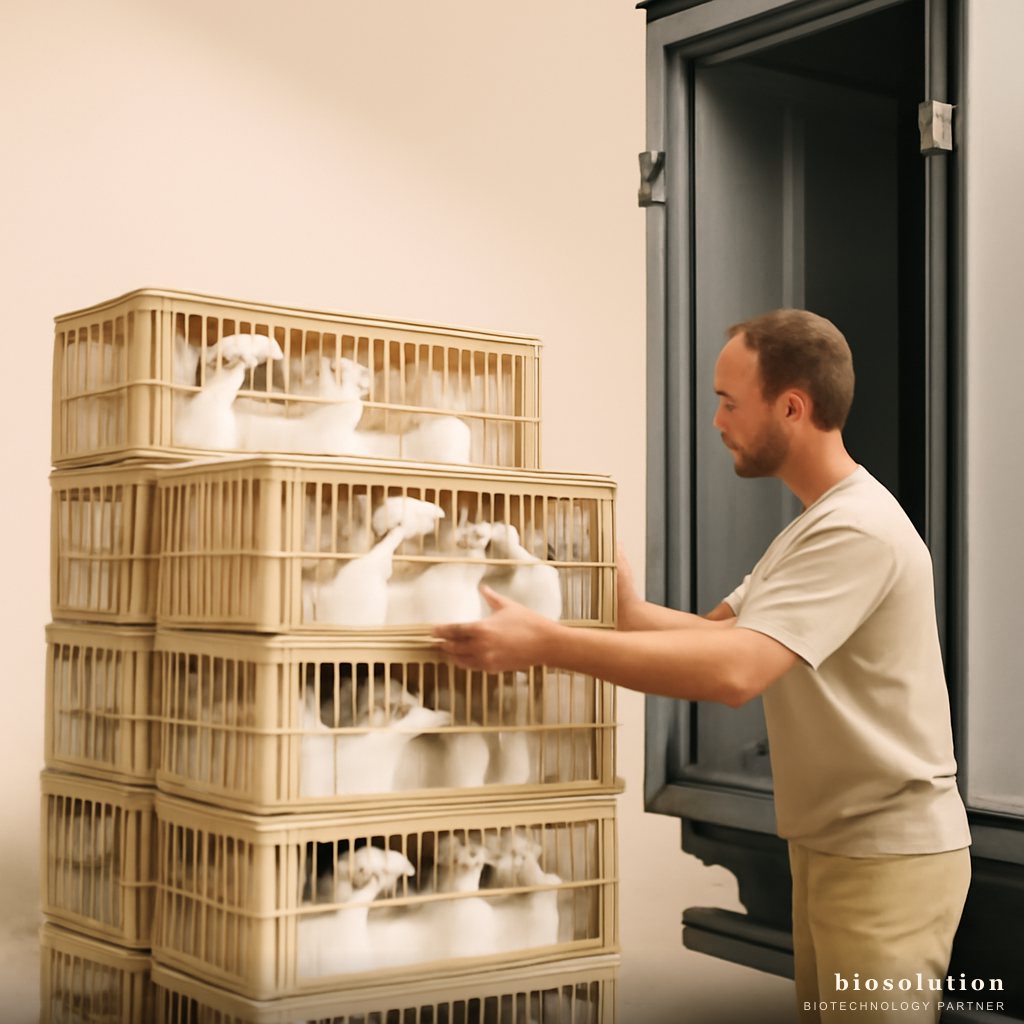
Ducks are animals sensitive to environmental changes. The transport process—from catching, packing, travel, to placement in a new pen—triggers a significant physiological stress response. Cortisol levels rise, causing decreased appetite, digestive disorders, and immunosuppression. As a result, ducks become susceptible to secondary infections, diarrhea, and even death.
Feed transition, for example from starter to grower feed, also triggers stress. Changes in nutrient composition and feed texture force the gut microflora to adapt. If not managed, gut dysbiosis occurs, hindering nutrient absorption and reducing body weight. Data from FAO states that transport stress can increase mortality by 5-10% in waterfowl. Therefore, nutritional and microbiota intervention becomes crucial.
Criteria for Probiotic Strains for Anti-Stress Ducks
Not all good bacteria can be poultry probiotics. There are strict criteria that must be met, especially for application in stressed ducks. Here are three main criteria:
1. Heat and Gastric Acid Resistant Spores
Transport stress often causes changes in temperature and pH of the digestive tract. Probiotic strains must be able to survive these conditions. Bacillus coagulans is a spore-forming bacterium that is resistant to high temperatures (up to 80°C) and stomach acid pH. These spores will germinate in the small intestine, where they begin to work. This advantage makes B. coagulans a top choice in anti-stress duck formulas.
2. Immune Modulation Ability
Stress suppresses immunity, so probiotics must be able to enhance nonspecific immune responses. Lactobacillus casei has been scientifically proven to stimulate IgA production and phagocytic cells. This strain also produces bacteriocins that suppress the growth of pathogens such as Salmonella and E. coli. Thus, ducks are more resistant to infections during critical periods.
3. Synergy with Additional Nutrients
Good probiotics work synergistically with vitamins and minerals. Vitamin C and E, for example, have antioxidant effects that combat oxidative stress. Combining probiotics with a vitamin premix in one formula ensures faster recovery. Products like Biosolution's Multiphase Anti-Stress Duck Formula combine Bacillus coagulans, Lactobacillus casei, and a vitamin premix in one package, making application easy.
The Role of Certification in Choosing Probiotics
Certification is a guarantee of quality and safety. In Indonesia, probiotics for animal feed must be registered with the Ministry of Agriculture. Certification ensures that:
- Bacterial colony count matches the claim (usually at least 10^9 CFU/g).
- Strains are genetically identified, not just genus.
- Free from pathogens and contaminants.
- Product stability is maintained during storage.
Biosolution products have met these standards. By choosing certified probiotics, farmers avoid fake or ineffective products that are detrimental.
Mechanism of Action of Probiotics in Overcoming Stress
Probiotics work through several mechanisms to reduce the impact of stress:
- Improving gut integrity: Stress increases intestinal permeability (leaky gut). Probiotics strengthen tight junctions, so pathogenic bacteria cannot easily enter the circulation.
- Suppressing pathogens: Production of lactic acid and bacteriocins lowers gut pH, inhibiting the growth of harmful bacteria.
- Modulating the gut-brain axis: Through the production of neurotransmitters like serotonin, probiotics can influence duck mood and appetite.
- Antioxidant: Some strains produce catalase and superoxide dismutase enzymes that neutralize free radicals caused by stress.
Case Study: Effectiveness of Multiphase Anti-Stress Duck Formula
Although specific performance data is not included, the working principle of this formula is supported by independent research. Bacillus coagulans has been reported in the journal Poultry Science to reduce mortality in heat-stressed broiler chickens by up to 30%. Meanwhile, Lactobacillus casei in meat ducks significantly increased final body weight and decreased feed conversion ratio (FCR).
In laying ducks, the combination of probiotics and vitamin premix helps maintain egg production during extreme weather. Farmers using this formula report faster appetite recovery, reduced diarrhea, and lower mortality during transition periods.
Proper Application for Maximum Results
The Multiphase Anti-Stress Duck Formula is applied through drinking water at a dose of 2 ml per liter of water, given in the morning and evening. The duration of administration is 3–5 days during stress periods. Ensure drinking water is clean and does not contain excess chlorine that could kill probiotics. It is best to let the water sit for 30 minutes before mixing with probiotics.
For optimal results, start administration 2 days before transport or feed change, and continue until 3 days after. Do not mix probiotics with antimicrobial drugs simultaneously; allow a minimum of 2 hours interval.
Advantages of Using Probiotics Compared to Synthetic Vitamins
Many farmers rely on synthetic vitamins to overcome stress. However, vitamins alone are not enough because they do not restore gut microbiota balance. Probiotics provide a holistic solution:
- Reducing the use of synthetic vitamins: Probiotics help synthesize vitamins B and K by gut bacteria.
- Long-term effects: A healthy microbiota lasts longer than the temporary effects of vitamins.
- Environmentally friendly: Probiotic products leave no chemical residues.
Conclusion
Choosing the right anti-stress probiotic for ducks is an investment for farming success. Ensure the product contains heat-resistant spore strains like Bacillus coagulans, immune modulators like Lactobacillus casei, and is equipped with a vitamin premix for quick recovery. Don't forget to check official certification from the Ministry of Agriculture. With the right approach, transport and feed transition stress can be minimized, and productivity maintained.
If you want to learn more about the Multiphase Anti-Stress Duck Formula, consult our team via WhatsApp. Get dosage recommendations and administration schedules tailored to your pen conditions.