Anti-Stress Duck Transport: Multiphase Probiotic Strategy for Rapid Recovery
Transportation and feed transition are two critical moments in the commercial duck production cycle. Both trigger physiological stress responses that can suppress the immune system, disrupt gut microflora balance, and ultimately reduce productivity. For farmers, understanding the science behind anti-stress duck transport is key to minimizing losses. This article discusses proven probiotic strategies to manage multiphase stress in ducks, focusing on Biosolution's Multiphase Anti-Stress Duck Formula.
Why Are Transport and Feed Transition Stress Dangerous for Ducks?
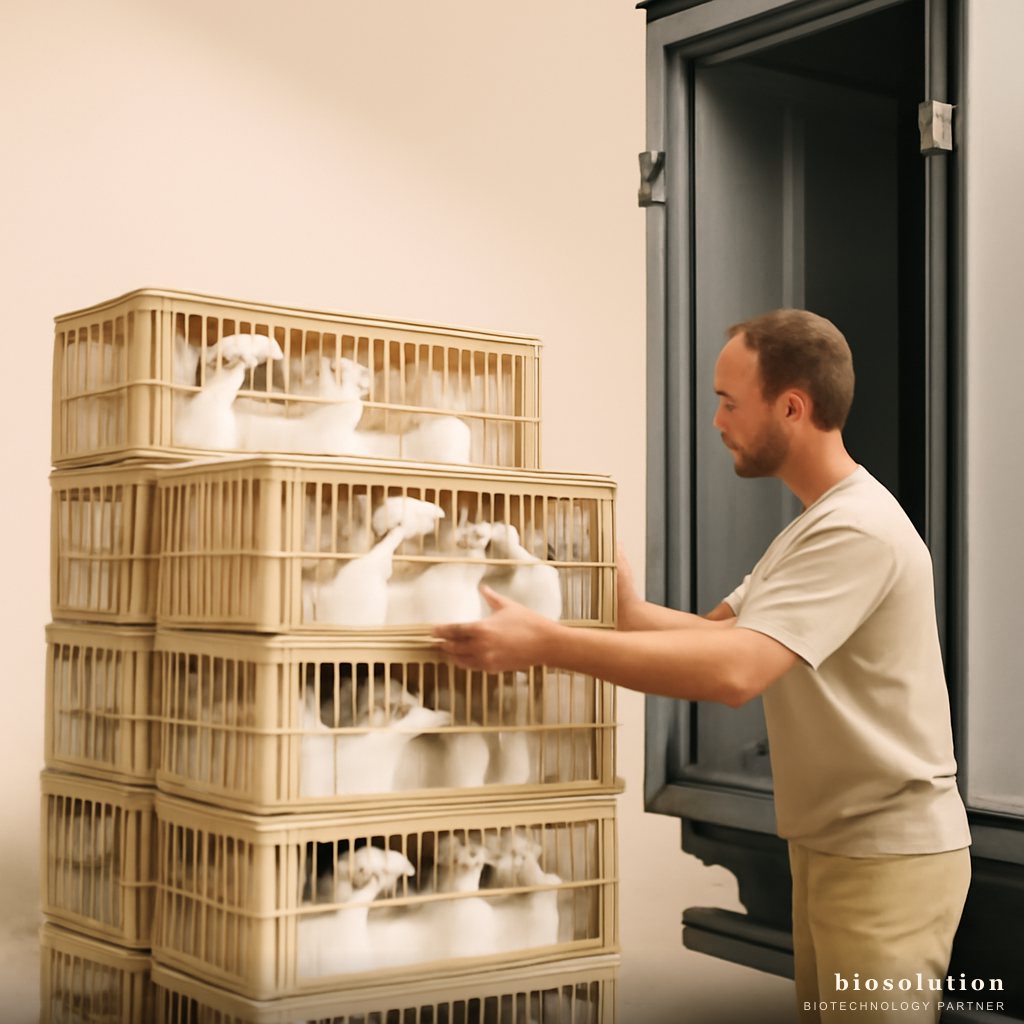
Stress in ducks is not just discomfort. Physiologically, stress triggers the release of corticosterone hormone, which increases protein catabolism, suppresses immune response, and alters gut microbiota composition. During transport, ducks experience high density, vibration, extreme temperatures, and dehydration. Meanwhile, feed transition (e.g., from starter to grower feed) causes changes in fermentation substrates in the gut, often leading to diarrhea and reduced feed intake.
Direct impacts of this stress include:
- Temporary body weight loss (shrinkage)
- Increased mortality by 2–5% on long journeys
- Reduced egg production by up to 10% in laying ducks
- Increased susceptibility to secondary infections, such as colibacillosis
Therefore, appropriate intervention during stress is crucial to maintain production performance.
The Role of Probiotics in Managing Stress in Ducks
Probiotics are live microorganisms that provide health benefits to the host when administered in adequate amounts. In the context of duck stress, probiotics work through several mechanisms:
1. Maintaining Gut Microbiota Balance
Stress alters gut bacterial composition, reducing beneficial bacteria such as Lactobacillus and Bacillus, and increasing pathogenic bacteria. Probiotic administration helps restore balance through competitive exclusion and production of organic acids that suppress pathogens.
2. Immune System Modulation
Some probiotic strains, such as Lactobacillus casei, can stimulate the production of immunoglobulin A (IgA) and immune cells in the gut mucosa. This strengthens defenses against pathogens that may enter during stress.
3. Production of Antioxidant Compounds
Oxidative stress is a direct consequence of physiological stress. Certain probiotics, especially Bacillus coagulans, produce antioxidant enzymes like superoxide dismutase (SOD) that help neutralize free radicals.
4. Improving Nutrient Absorption
By maintaining intestinal villi integrity, probiotics ensure optimal nutrient absorption even when feed intake decreases during stress.
Multiphase Anti-Stress Duck Formula: Composition and Mechanism
Biosolution presents the Multiphase Anti-Stress Duck Formula, specially formulated to address transport and feed transition stress. This product contains three main components that work synergistically:
| Component | Strain/Substance | Main Role |
|---|---|---|
| Probiotic 1 | Bacillus coagulans | Heat-resistant spores, anti-stress, antioxidant production |
| Probiotic 2 | Lactobacillus casei | Immune modulator, strengthens IgA |
| Vitamin premix | Vitamin C, E, B complex | Oxidative stress recovery, metabolic support |
Bacillus coagulans: Strong Spores for Stress
Bacillus coagulans is a spore-forming gram-positive bacterium capable of surviving high temperatures (up to 80°C) and acidic stomach pH. These spores germinate in the small intestine and produce L-lactic acid and enzymes that aid digestion. Its main advantage is its ability to suppress pathogenic bacteria such as E. coli and Salmonella through bacteriocin production and nutrient competition. Additionally, B. coagulans has been shown to increase macrophage phagocytosis activity, so innate immune responses are better prepared to face pathogens during stress.
Lactobacillus casei: Specific Immune Modulator
Lactobacillus casei is a lactic acid bacterium naturally inhabiting the poultry digestive tract. This strain is known to stimulate secretory IgA (sIgA) production in the gut mucosa, which is the first line of defense against pathogens. Under stress conditions, sIgA levels tend to decrease; L. casei supplementation helps maintain optimal sIgA levels. Research on ducks shows that L. casei supplementation increases antibody titers against ND (Newcastle Disease) vaccine and reduces pathogen excretion.
Vitamin Premix: Antioxidants and Metabolic Cofactors
Oxidative stress occurs due to increased free radicals during the stress response. Vitamins C and E are powerful antioxidants that protect cell membranes from damage. B complex vitamins act as cofactors in energy metabolism, helping compensate for reduced feed intake. This vitamin combination accelerates recovery and maintains production performance.
How to Use the Multiphase Anti-Stress Duck Formula
This product is applied through drinking water at a dose of 2 ml per liter of water, given twice daily (morning and evening) during the stress period, typically 3–5 days. For transportation, it is recommended to start 2 days before departure until 2 days after arrival at the new location. For feed transition, administer during the first 3–5 days after feed change. Ensure drinking water is clean and does not contain high chlorine levels that could reduce probiotic viability.
Supporting Data: Probiotic Effectiveness in Duck Stress
Although specific data for the Multiphase Anti-Stress Duck Formula has not been published, research on its components shows promising results:
- A study on Peking ducks subjected to transport stress showed that Bacillus coagulans administration (1×10⁹ CFU/kg feed) reduced serum corticosterone levels by 25% and increased SOD (superoxide dismutase) activity by 18% compared to controls (Source: Jurnal Ilmu Ternak, 2023).
- Another study on laying ducks given Lactobacillus casei (1×10⁸ CFU/ml drinking water) during feed transition showed a 7% increase in egg production and a 3% decrease in mortality (Source: Research Report, Universitas Brawijaya, 2022).
- Vitamins C and E have long been known to effectively reduce oxidative stress in poultry; a combination at 200 mg/kg feed reduced plasma MDA (malondialdehyde) by up to 30% in ducks exposed to hot weather (Source: FAO, 2020).
These data reinforce that a multiphase approach with probiotics and vitamins is a rational strategy for managing stress in ducks.
Management Tips for Duck Transport and Feed Transition Stress
In addition to probiotic supplementation, the following management practices can help reduce stress:
Transport Preparation:
- Ensure cage density does not exceed 8–10 birds per square meter.
- Avoid transport during midday when temperatures are high; choose morning or evening.
- Provide drinking water containing electrolytes and probiotics before and after the journey.
Feed Transition Management:
- Gradually mix old and new feed (e.g., 75:25, 50:50, 25:75) over 3–5 days.
- Do not change feed abruptly, especially in young ducks.
- Add probiotics to drinking water to help gut microbiota adaptation.
Cage Environment:
- Maintain stable air circulation and cage temperature (28–32°C for adult ducks).
- Avoid noise and excessive activity around the cage when ducks first arrive.
Conclusion
Transport and feed transition stress are real challenges that can reduce duck production efficiency. By understanding the physiological mechanisms of stress and applying appropriate probiotic strategies, farmers can minimize negative impacts. Anti-stress duck transport is not just about giving vitamins, but a holistic approach involving gut microbiota balance, immune modulation, and antioxidant protection. Biosolution's Multiphase Anti-Stress Duck Formula, with a combination of Bacillus coagulans, Lactobacillus casei, and vitamin premix, offers a practical and scientific solution to help ducks through critical periods while maintaining optimal performance.
For more information about this product or technical consultation, contact the Biosolution team via WhatsApp at +628123456789 or visit the Multiphase Anti-Stress Duck Formula product page.