Beginner Biofloc System Starter: Daily Water Parameter Monitoring Guide
Starting fish farming with a biofloc system is a smart step for beginners who want efficiency and environmental friendliness. However, the key to success lies in consistent daily water parameter monitoring. For a beginner biofloc system starter, understanding fluctuations in ammonia, pH, dissolved oxygen, and salinity determines the success of floc formation. Without proper management, floc can collapse and fish become stressed. This article will guide you step by step, while also introducing the Biofloc System Starter Formula from Biosolution, specially designed to make it easier for beginners.
Why Is Daily Water Monitoring Crucial for a Biofloc System Starter?
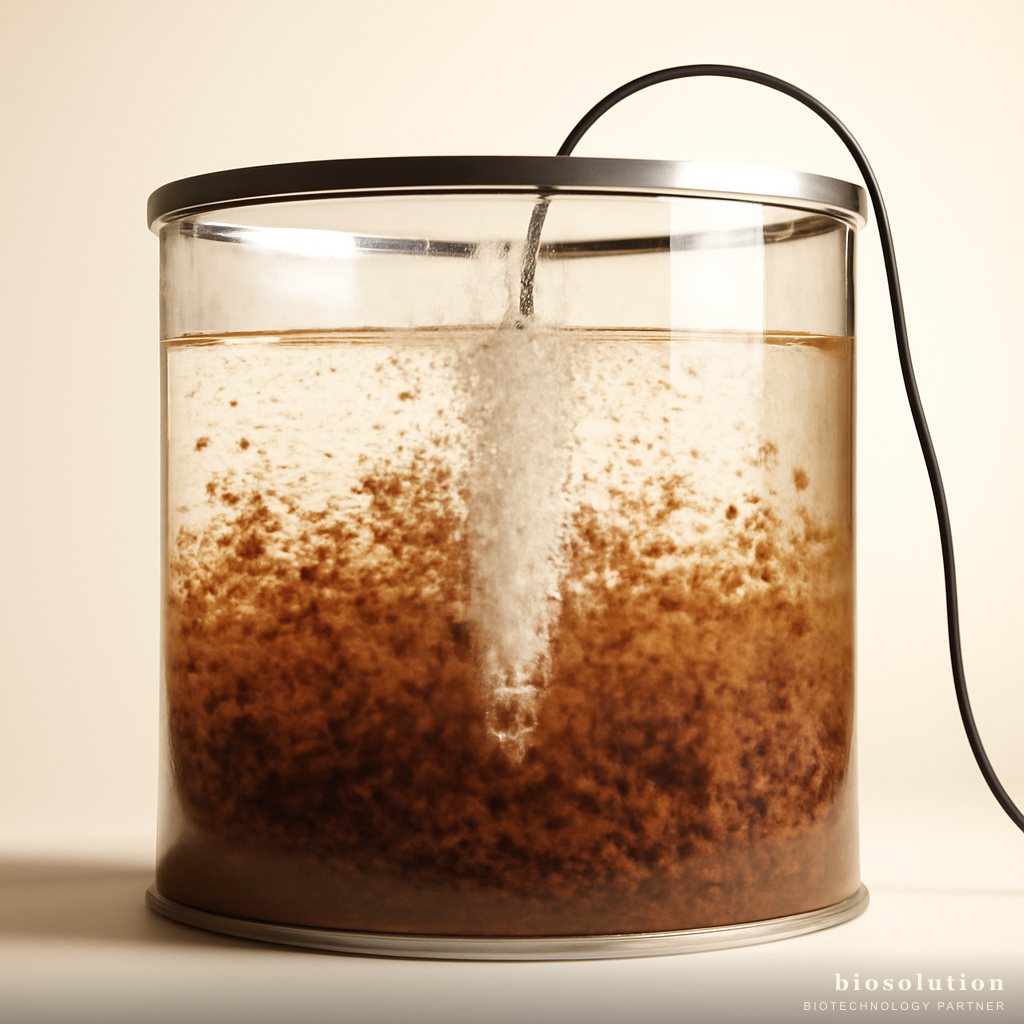
The biofloc system relies on a microbial community to process organic waste and provide natural feed. During the starter stage, bacterial colonies such as Bacillus subtilis and Bacillus megaterium begin to form floc biofilm. If water parameters are not optimal, the nitrification process by Nitrosomonas sp. is inhibited, causing toxic ammonia buildup. Daily monitoring helps with early detection so that floc remains stable. Without accurate data, beginners often react only when fish are already stressed or dead. Therefore, schedule measurements in the morning and afternoon, especially during the first 1-2 weeks after starter application.
Key Parameters to Monitor
- Ammonia (NH3) – Target <1 mg/L. High ammonia indicates a low C:N ratio or insufficient aeration.
- pH – Ideal 6.5–8.0. Fluctuations >0.5 per day can inhibit bacteria.
- Dissolved Oxygen (DO) – Minimum 4 mg/L. Biofloc requires high oxygen for bacterial respiration.
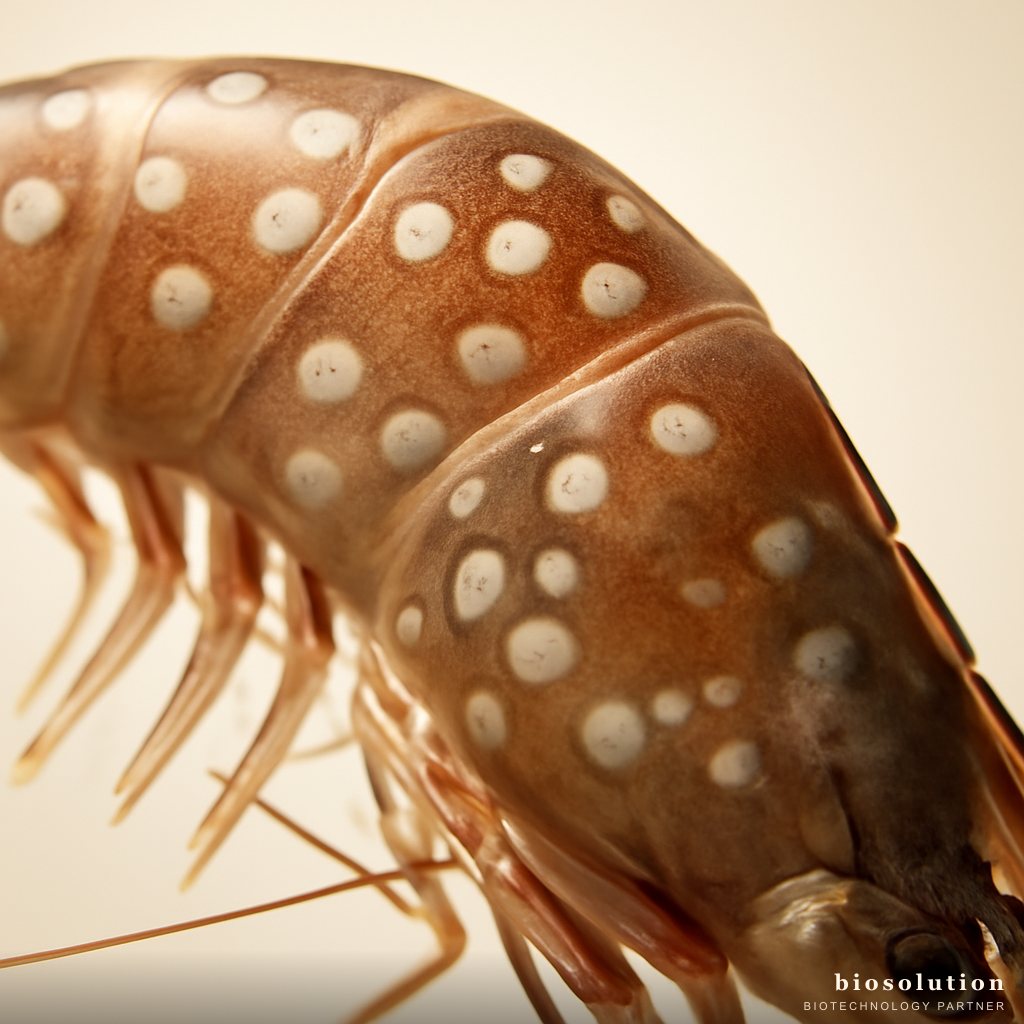
- Salinity – 0–10 ppt for freshwater fish, 15–25 ppt for shrimp. Salinity affects bacterial enzyme activity.
Ammonia: The Main Enemy to Control
Ammonia is the primary waste from leftover feed and fish excretion. In a beginner biofloc system starter, Nitrosomonas sp. bacteria oxidize ammonia into nitrite, then Nitrobacter (which appears later) converts it into nitrate. However, this process takes 1-2 weeks to mature. During that period, ammonia can spike if the carbon-to-nitrogen (C:N) ratio is not maintained at 15-20:1. Use carbon sources such as molasses or cassava flour. Applying Biofloc Starter Formula at a dose of 5 L per 1000 m³ in the morning before stocking helps accelerate nitrifying bacteria colonization. Measure ammonia daily using a test kit. If >1 mg/L, increase aeration and temporarily reduce feeding.
pH: Stability Is Key
Water pH affects nutrient availability and bacterial activity. Biofloc systems tend to lower pH due to CO2 production from bacterial respiration. Conversely, decomposition of organic matter can raise pH. Large daily fluctuations (>0.5) can cause stress in fish and inhibit floc formation. For starters, maintain pH between 6.5–8.0. If pH drops drastically, add dolomite lime gradually. Avoid sudden changes. Monitoring pH twice daily (morning and afternoon) helps anticipate spikes. Biosolution products contain Bacillus megaterium which helps stabilize floc microbiota, keeping pH more stable.
Dissolved Oxygen: The Breath of Biofloc
Dissolved oxygen (DO) is the most critical parameter in biofloc. Aerobic bacteria like Bacillus subtilis and Nitrosomonas require high oxygen to work optimally. Target DO at least 4 mg/L, ideally 5-7 mg/L. Adequate aeration not only supplies oxygen but also keeps floc suspended. At the start, ensure diffusers or paddlewheels operate 24 hours. If DO drops below 4 mg/L, immediately increase aeration. Monitor DO using a DO meter or test kit. Oxygen deficiency causes floc to clump and ammonia to rise. Remember, high stocking density requires greater aeration.
Salinity: Effect on Bacteria and Fish
Salinity affects osmotic pressure and bacterial enzyme activity. For freshwater fish like tilapia, salinity of 0-3 ppt is sufficient. However, adding table salt (NaCl) at 1-3 ppt is often recommended to reduce stress and aid floc formation. Salt also inhibits fungal growth. In vannamei shrimp systems, salinity is maintained at 15-25 ppt. Beginners must consistently measure salinity with a refractometer. Sudden salinity changes >2 ppt per day can kill nitrifying bacteria. If salinity is too low, add salt gradually. If too high, dilute with freshwater.
Practical Monitoring Tips for Beginners
- Create a routine schedule – Measure ammonia, pH, DO, and salinity in the morning (before feeding) and afternoon (after feeding).
- Record data – Use a notebook or app to track trends.
- Calibrate equipment – Ensure pH meters and DO meters are calibrated regularly.
- Recognize warning signs – Fish gasping at the surface (oxygen deficiency), reduced appetite (high ammonia), or floc clumping (unstable pH).
- Keep backups – Store lime, salt, and carbon sources for emergency response.
With disciplined monitoring, you can optimize the Biofloc Starter Formula which already contains superior bacteria. This product simplifies floc formation, so you can focus on water control.
Conclusion
A beginner biofloc system starter requires special attention to daily water parameter monitoring. Ammonia, pH, dissolved oxygen, and salinity are the four pillars that determine floc stability. By measuring regularly and taking quick action, you can avoid cultivation failure. Use the right starter product like the Biofloc Starter Formula from Biosolution, which contains Bacillus subtilis, Bacillus megaterium, and Nitrosomonas sp. to accelerate the nitrification process. For further consultation, contact our team via WhatsApp. Happy starting your biofloc farming!
FAQ
1. How long does it take for floc to form after starter application?
Floc formation typically takes 7-14 days depending on water quality and C:N ratio. Using Biosolution's Biofloc Starter Formula, which contains nitrifying bacteria, the process can be faster. Ensure daily monitoring of ammonia and pH to maintain optimal conditions.
2. What should I do if ammonia is high during the starter phase?
Immediately check the C:N ratio. If it is below 15, add a carbon source such as molasses (1-2 ppm). Temporarily reduce feeding and increase aeration. Reapplication of starter may be necessary if ammonia >2 mg/L for 3 consecutive days.
3. Does pH need to be stabilized with chemicals?
It is best to avoid harsh chemicals. Use dolomite lime to gradually raise pH. If pH drops drastically, increased aeration can help remove CO2. Biosolution products help maintain pH stability through bacterial activity.
4. How can I measure dissolved oxygen without a digital device?
For beginners, a drop test kit available at aquaculture stores can be used. However, a DO meter is more accurate. If unavailable, observe fish behavior: if fish are gasping at the surface, DO is likely low. Immediately increase aeration.
5. Should salinity be measured every day?
Yes, especially during rainy or dry seasons that can drastically change salinity. Changes >2 ppt per day can disturb bacteria. Use a refractometer for accuracy. If salinity drops, add salt; if it rises, dilute with freshwater.