Research, case studies, and practical biotech guides.
Insights for Indonesian and Southeast Asian farmers, ranchers, and aquaculturists. 144 articles and counting.
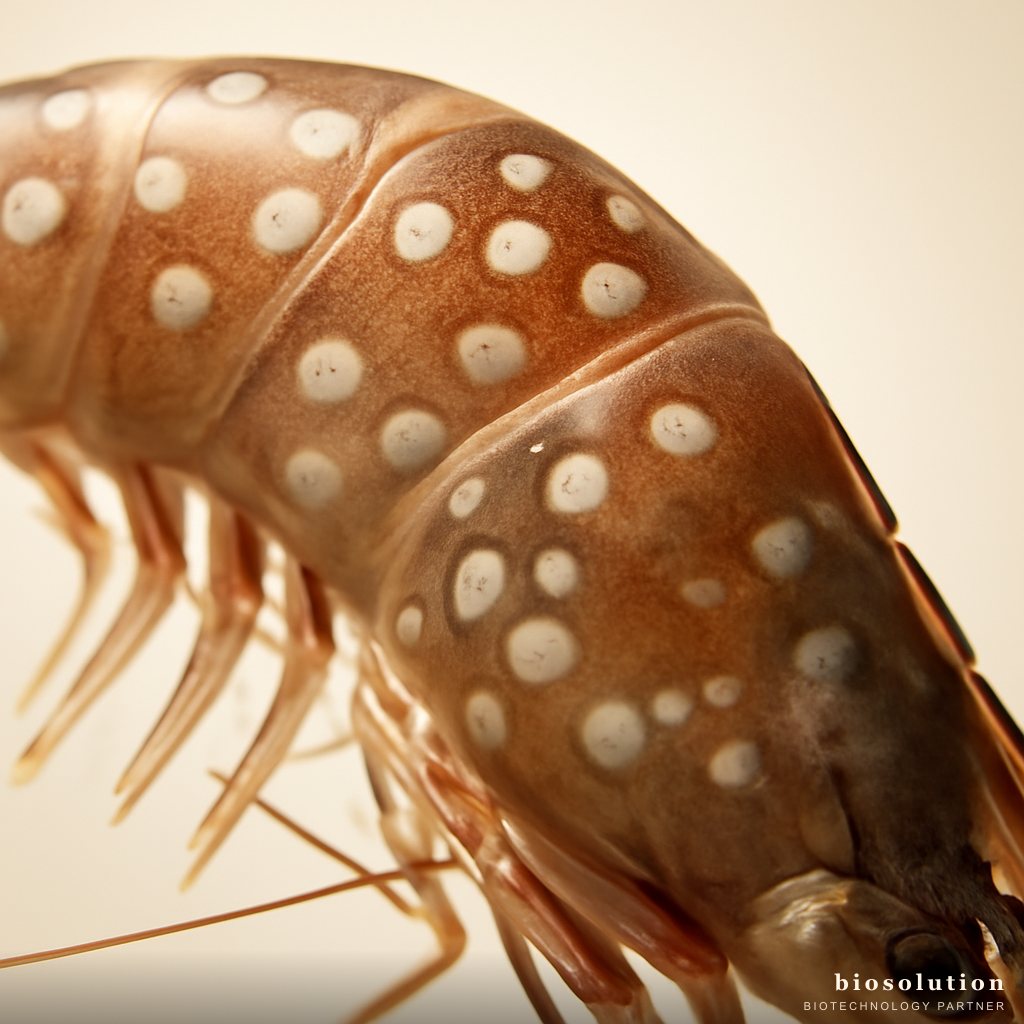
WSSV White Spot Disease in Shrimp: Risk Management Strategy for Vaname
WSSV (White Spot Syndrome Virus) is a serious threat to vaname shrimp farming. This article discusses causes, losses, and risk management strategies, including the use of Emergency Anti-Vibrio Formula for Vaname Shrimp Ponds based on Bacillus subtilis and Bacillus licheniformis to suppress Vibrio and prevent mass mortality.
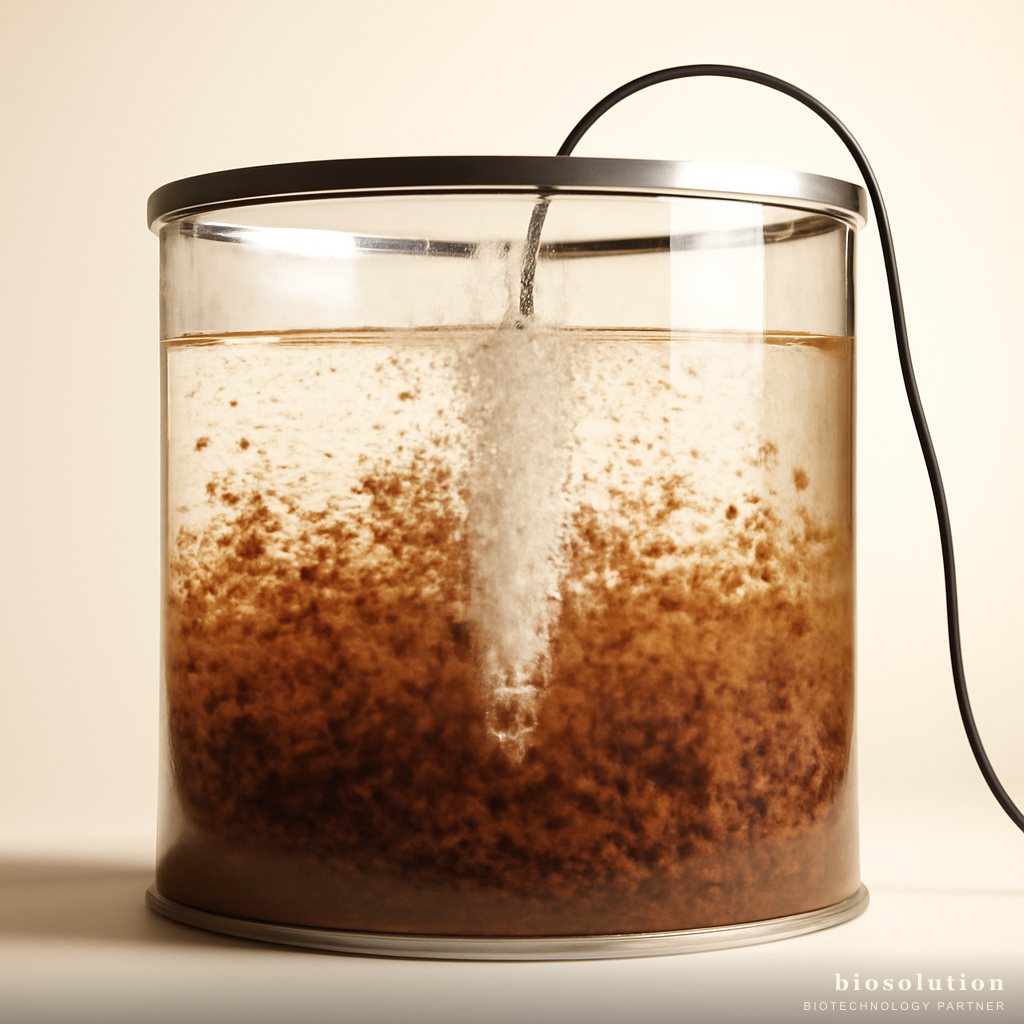
Beginner Biofloc System Starter: Complete Fish Farming Guide
Complete guide to biofloc system starter for beginner fish farmers. Learn causes of failure, losses, and solutions using Biosolution's Biofloc Starter Formula.
Managing WSSV Risk in Vaname Shrimp with Probiotics
WSSV (White Spot Syndrome Virus) is a serious threat to vaname shrimp farming. Infections are often triggered by Vibrio. This article discusses microbial probiotic strategies to manage WSSV risk, focusing on the Emergency Anti-Vibrio Formula for Vaname Shrimp Ponds containing high-concentration Bacillus subtilis and Bacillus licheniformis for rapid Vibrio knockdown.

Traditional Tiger Shrimp Ponds: Probiotic Solution for Water Quality
This article discusses the causes and losses of poor water quality in traditional tiger shrimp ponds, and an effective probiotic solution. Biosolution's probiotic formula for tiger shrimp ponds contains Bacillus subtilis, Nitrosomonas sp., and Nitrobacter sp. to suppress ammonia, nitrite, and Vibrio, thereby increasing survival rate and harvest yield.
Beginner Biofloc System Starter: Microbial Probiotic Guide
Starting a biofloc system for fish farming beginners requires the right microbial probiotics. This article discusses strategies using Biosolution's Biofloc System Starter Formula containing Bacillus subtilis, Bacillus megaterium, and Nitrosomonas sp. for stable floc formation, high stocking density, and feed efficiency.

Basic Pond Preparation Before Stocking: Key to Successful Aquaculture
Effective basic pond preparation before stocking is the foundation of successful aquaculture. This article discusses causes of failure due to poor preparation, resulting losses, and microbiology-based solutions from Biosolution to start the cycle with a clean and stable pond.
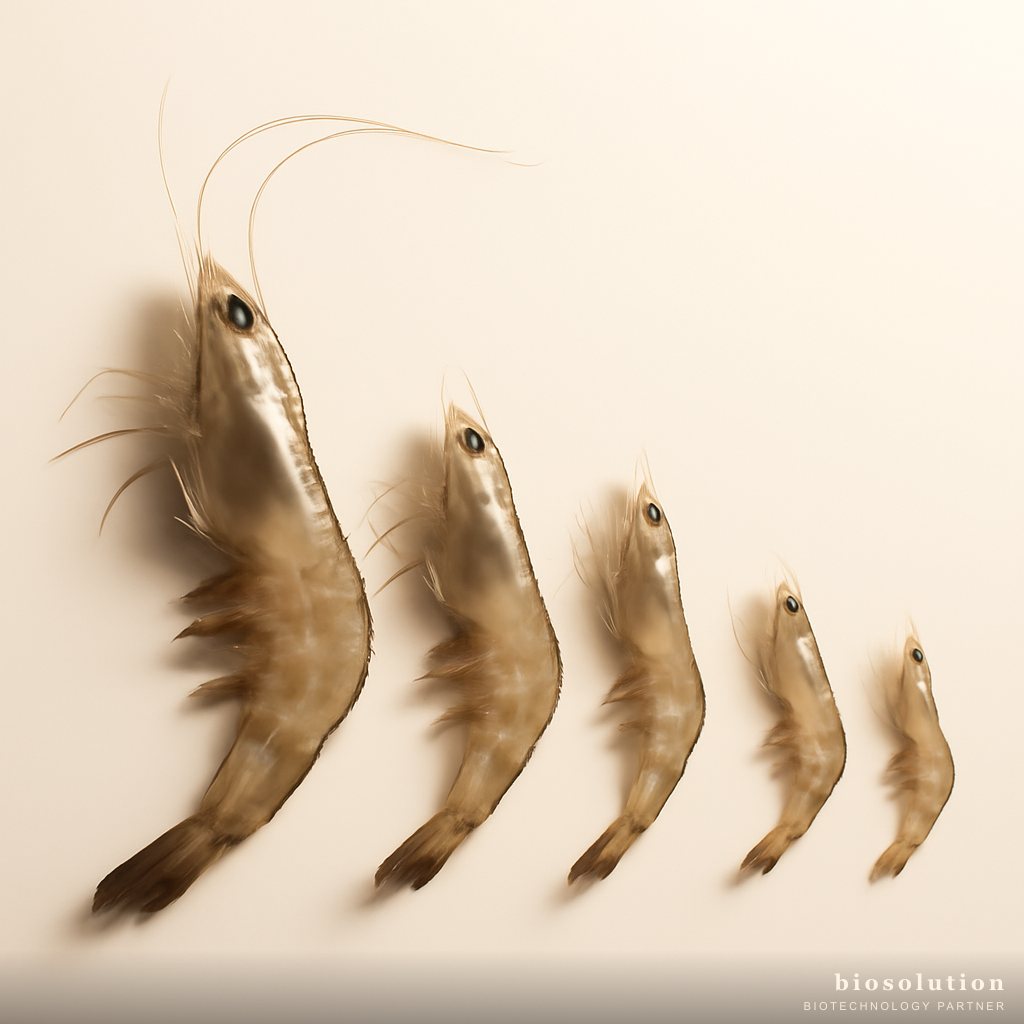
Causes of Slow Shrimp Growth and Probiotic Pond Solutions
Slow shrimp growth in ponds is often caused by poor water quality, Vibrio attacks, and suboptimal feed. Probiotic solutions with Bacillus subtilis, Nitrosomonas, and Nitrobacter can improve pond environment, suppress pathogens, and increase vaname shrimp survival rate by 10-15%.
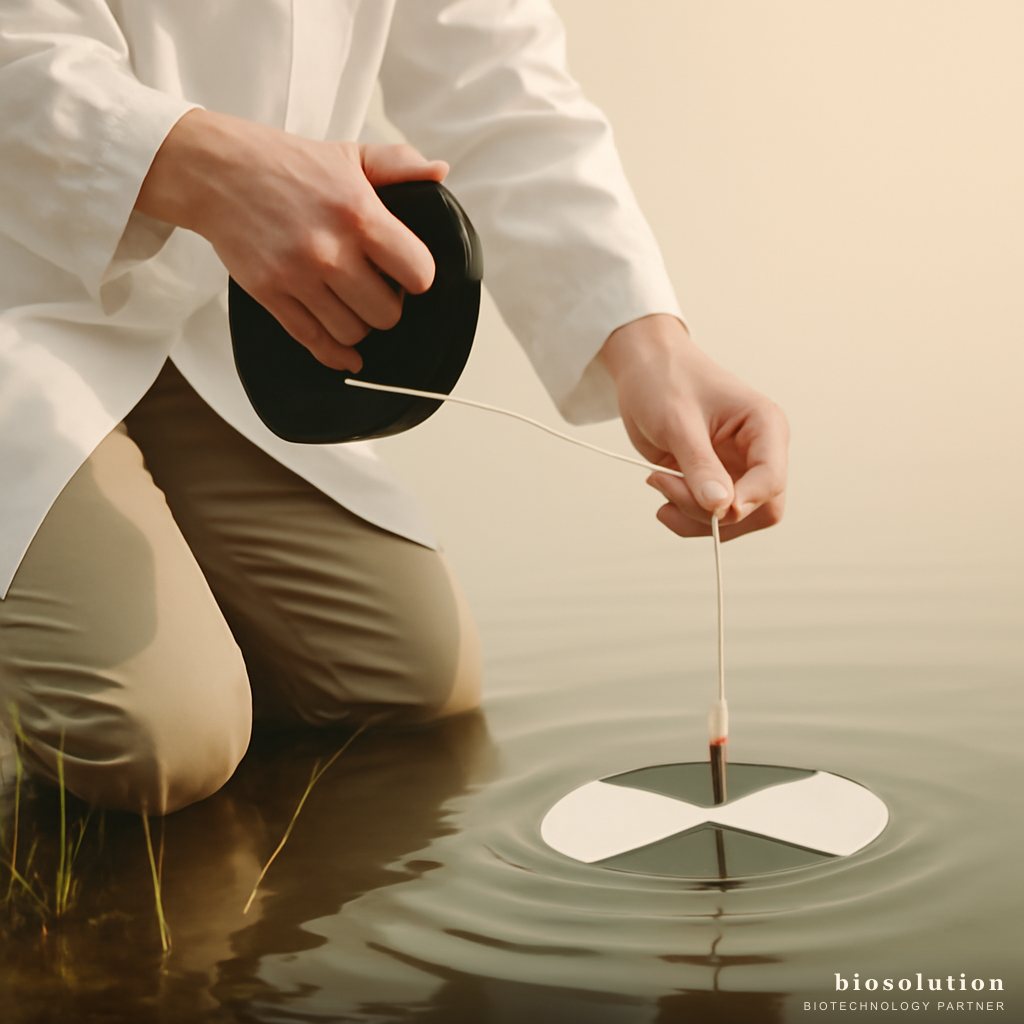
Green Water Transparency in Fish Ponds: Manage Water Color for Optimal Aquaculture
Green water in fish ponds is often seen as a sign of fertility, but low transparency is actually dangerous. This article discusses the causes and disadvantages of dense green water, as well as probiotic solutions to maintain the ecological balance of tilapia ponds.
High-Density Catfish Pond Probiotics: An Effective Solution
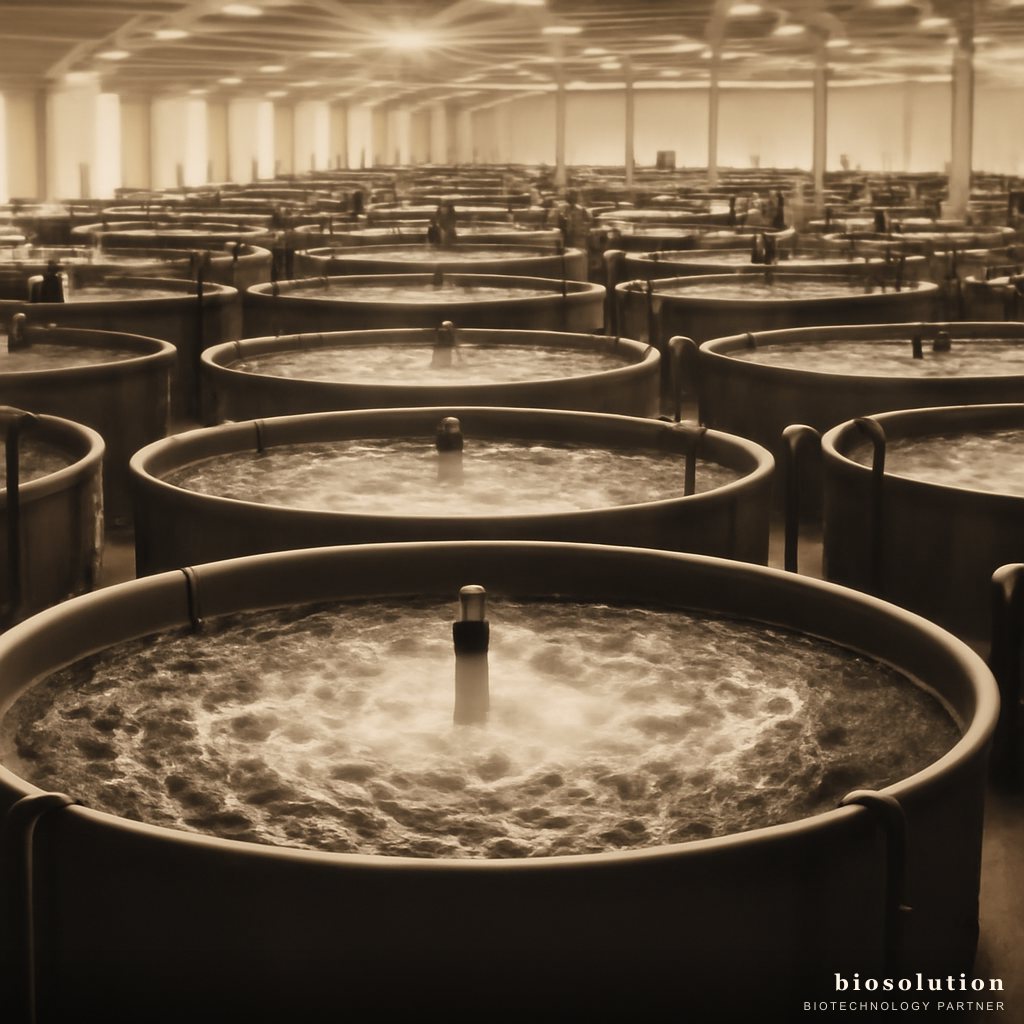
High-density catfish farming often leads to water quality issues, mortality, and odor. Biosolution's catfish pond probiotics contain Bacillus subtilis, Nitrosomonas sp., and Nitrobacter sp. that decompose feed waste, oxidize ammonia and nitrite, keeping water stable and growth optimal.
Pond Bottom Sludge Degrader: Solution Without Draining
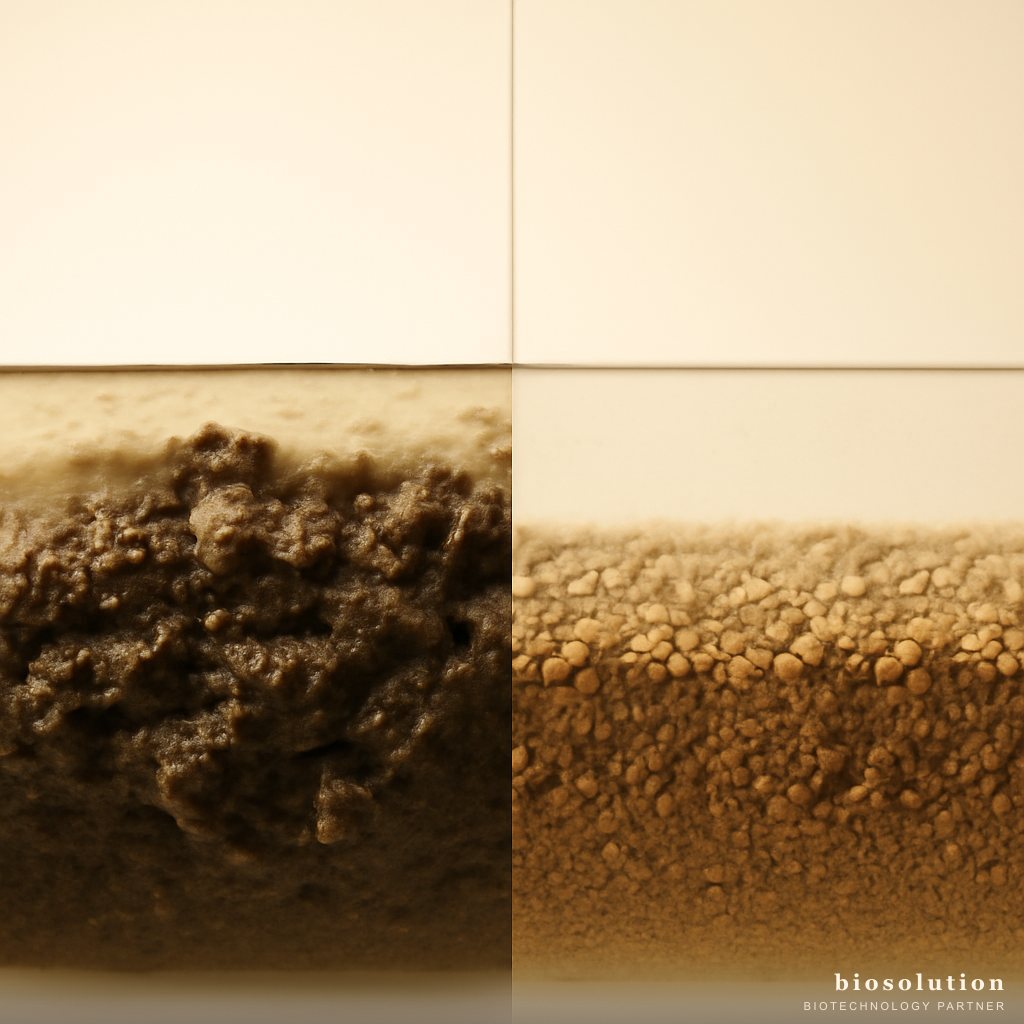
Organic sludge at the pond bottom is a classic problem in intensive aquaculture. Accumulation of uneaten feed, feces, and dead plankton forms sludge that triggers high ammonia, disease, and mass mortality. A pond bottom sludge degrader based on Bacillus subtilis and Bacillus licheniformis can naturally decompose sludge without draining, saving operational costs up to 30%.
Pond Bottom Sludge Decomposer Without Draining: Probiotic Solution
Organic sludge at the pond bottom often causes problems such as increased ammonia and decreased water quality. With microbial probiotics like Bacillus subtilis and Bacillus licheniformis, sludge can be decomposed naturally without draining. Biosolution's Pond Bottom Sludge Decomposer Formula offers an easy-to-apply tablet solution, effectively reducing ammonia and saving operational costs. Explore this microbiology-based sludge management strategy.
Traditional Tiger Shrimp Pond Probiotics: Microbial Strategy
Traditional tiger shrimp (Penaeus monodon) farming faces water quality and disease challenges. Microbial probiotics with Bacillus subtilis, Nitrosomonas sp., and Nitrobacter sp. can decompose organic matter, oxidize ammonia and nitrite, creating a stable and healthy environment. This article reviews probiotic application strategies to improve survival and yield of tiger shrimp sustainably.