Green Water Transparency in Fish Ponds: Manage Water Color for Optimal Aquaculture
Green water in fish ponds is often considered an indicator of natural fertility. However, for intensive pond farmers, excessively low green water transparency is actually a warning sign. Dense green water indicates an uncontrolled bloom of phytoplankton, which can disrupt oxygen balance and increase the risk of mass mortality. Understanding the relationship between transparency and green water color in fish ponds is key to maintaining productivity in tilapia and other fish farming.
Why Is Pond Water Green and How Does It Affect Transparency?
The green color of pond water is primarily caused by the growth of phytoplankton, microalgae containing chlorophyll. Phytoplankton utilize sunlight, carbon dioxide, and nutrients (especially nitrogen and phosphorus) to multiply. Under normal conditions, phytoplankton provide oxygen through photosynthesis and serve as natural feed for fish. However, when nutrients are excessive (eutrophication), phytoplankton populations explode, causing the water to become dense green and transparency to decrease drastically.
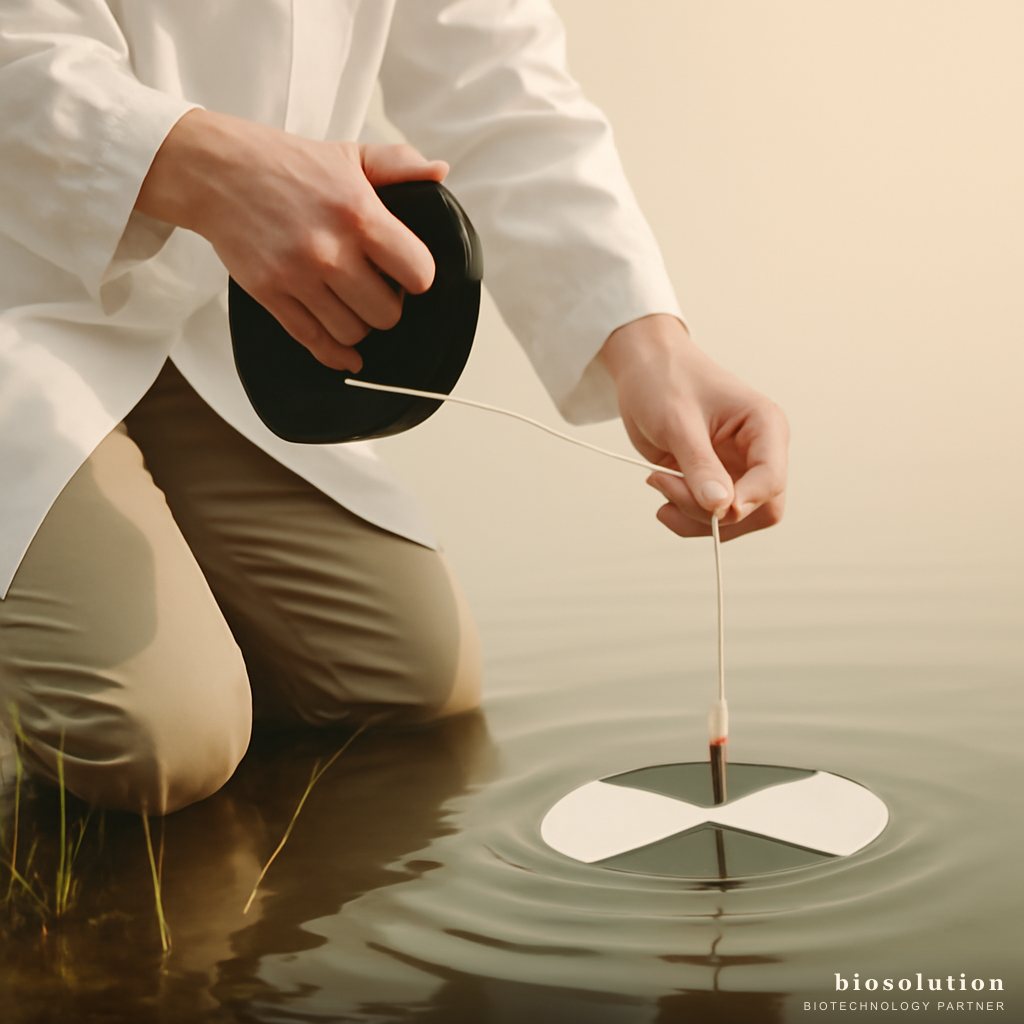
Water transparency is measured using a Secchi disk; the ideal value for tilapia farming is 30–40 cm. If transparency is less than 20 cm, the water is too turbid due to phytoplankton. Negative impacts include:
- Extreme oxygen fluctuations: High photosynthesis during the day produces excess oxygen, but at night phytoplankton respiration consumes large amounts of oxygen, causing hypoxia or anoxia at dawn.
- Increased ammonia and nitrite: Dead phytoplankton are decomposed by bacteria, producing ammonia. Incomplete nitrification can accumulate nitrite, which is toxic to fish.
- Inhibition of light penetration: Dense phytoplankton block sunlight from reaching the pond bottom, disrupting aquatic plant growth and reducing natural oxygenation.
Main Causes of Decreased Green Transparency in Fish Ponds
1. Excess Feed and Accumulation of Organic Waste
Uneaten feed is a major source of nitrogen and phosphorus. Each kilogram of feed given produces about 0.3 kg of organic waste. Leftover feed and fish feces accumulate at the pond bottom, releasing nutrients that trigger phytoplankton growth.
2. High Stocking Density Without Water Quality Management
The denser the fish population, the more waste produced. Without proper management, ammonia and phosphate concentrations increase drastically, creating ideal conditions for phytoplankton blooms.
3. Lack of Circulation and Aeration
Stagnant water allows phytoplankton to thrive on the surface. Uneven aeration also causes oxygen stratification, worsening daily fluctuations.
4. Excessive Use of Fertilizers
Some farmers intentionally fertilize ponds to grow natural feed. However, incorrect dosages can trigger uncontrolled phytoplankton blooms.
Disadvantages of Uncontrolled Green Transparency
Risk of Mass Mortality Due to Oxygen Fluctuations
During the day, dissolved oxygen can reach 10–15 mg/L (supersaturated), but at night it can drop below 2 mg/L. Tilapia begin to stress at oxygen <3 mg/L, and mortality occurs at <1 mg/L. This condition is often called "turnover" and is a major cause of harvest failure.
Growth and FCR Disruption
Fish living in low-oxygen environments will reduce appetite and growth rate. Feed conversion ratio (FCR) worsens, increasing production costs.
Increased Disease Risk
Water rich in organic matter becomes an ideal medium for pathogenic bacteria such as Aeromonas hydrophila and Streptococcus agalactiae. Oxygen stress also lowers fish immunity.
Strategies to Manage Transparency and Green Water Color in Ponds
1. Routine Monitoring of Transparency and Water Parameters
Use a Secchi disk every morning to measure transparency. If it is less than 20 cm, take corrective action immediately. Other parameters to monitor: temperature (26–30°C), pH (6.5–8.5), dissolved oxygen (>4 mg/L), and ammonia (<1 mg/L).
2. Proper Feed Management
Provide feed according to fish needs, avoid overfeeding. Use high-quality protein feed to reduce nitrogen waste. Calculate daily feed amount based on fish biomass and water temperature.
3. Use of Probiotics to Stabilize Pond Ecosystem
Probiotics contain beneficial bacteria that help decompose organic waste and control phytoplankton. One effective solution is Tilapia Pond Probiotic Formula from Biosolution. This product contains three superior bacterial strains:
- Nitrosomonas sp.: Oxidizes ammonia to nitrite.
- Nitrobacter sp.: Oxidizes nitrite to non-toxic nitrate.
- Bacillus subtilis: Decomposes organic matter (feed residue, feces) into simple compounds.
With routine application every 7 days at 2 L per 1000 m³ of water in the morning, this probiotic helps maintain stable water quality, reduces oxygen fluctuations, and suppresses phytoplankton blooms. As a result, water transparency is maintained at ideal levels, tilapia growth is more consistent, and oxygen-related mortality decreases. Stocking density can also be increased without risk.
For more information about this product, visit Tilapia Pond Probiotic Formula.
4. Adequate Aeration and Water Circulation
Install paddlewheels or blowers to maintain oxygen circulation. Nighttime aeration is crucial to prevent hypoxia. Position aerators to avoid dead zones.
5. Nutrient Management with Selective Phytoplankton
If you want to maintain natural feed, control phytoplankton by adding probiotic bacteria regularly. Avoid excessive use of chemical fertilizers.
Conclusion
Green water transparency in fish ponds is not just an aesthetic issue but an indicator of the aquaculture ecosystem's health. Dense green water due to phytoplankton blooms can cause extreme oxygen fluctuations, growth disruption, and mass mortality. By understanding the causes and implementing proper management strategies—including the use of probiotics like Tilapia Pond Probiotic Formula—farmers can maintain water transparency at optimal levels, increase productivity, and reduce the risk of losses.
Want further consultation on pond water quality management? Contact the Biosolution team via WhatsApp for solutions tailored to your needs.