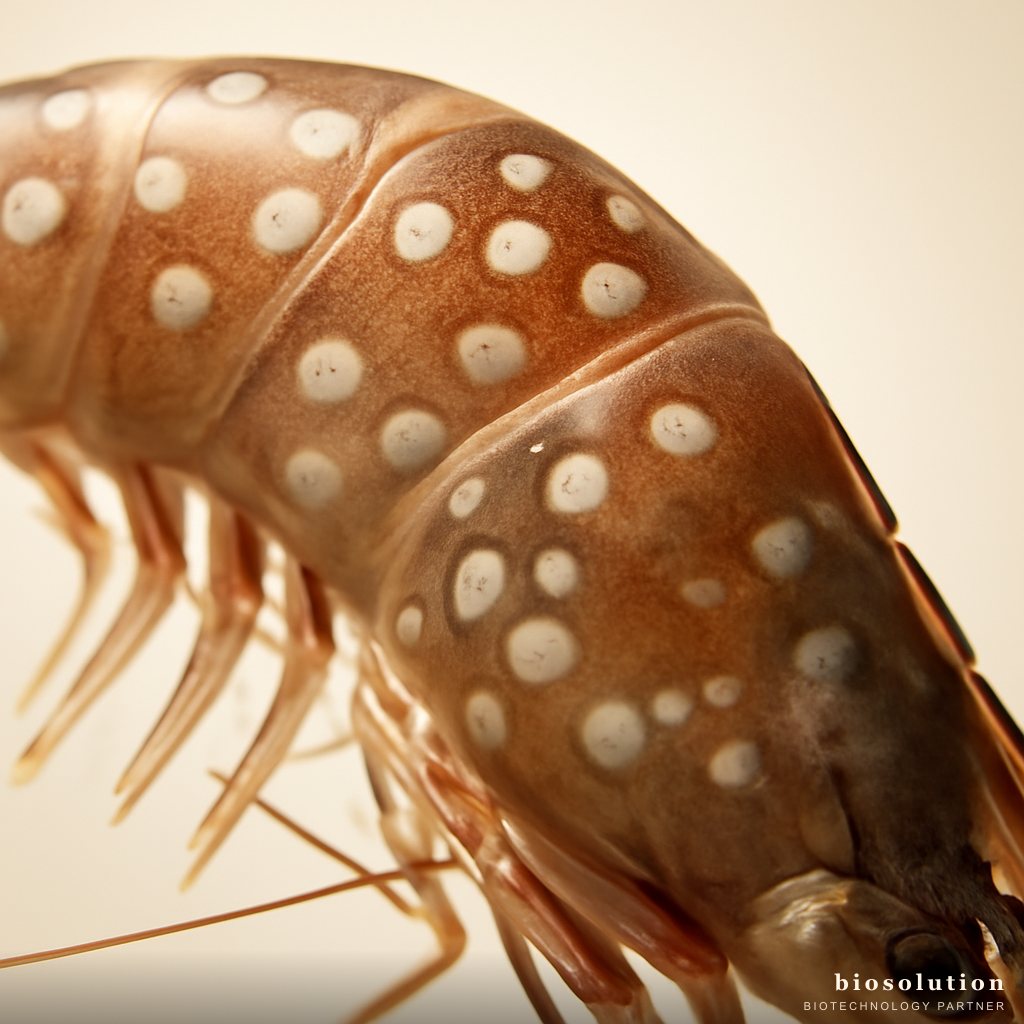
Understanding Probiotics for Traditional Tiger Shrimp (P. monodon) Ponds in Aquaculture: Causes and Losses
Traditional tiger shrimp (Penaeus monodon) farming has long been the economic backbone of Indonesia's coastal communities. However, traditional pond systems that rely on tidal seawater often face a serious challenge: unstable water quality. High ammonia and nitrite levels, along with Vibrio bacterial attacks, are the main causes of crop failure. This is where the role of probiotics for tiger shrimp ponds becomes crucial. Probiotics are not merely additives, but microbiology-based solutions to restore pond ecosystems and sustainably increase the productivity of traditional tiger shrimp ponds.
Why is Water Quality a Major Problem?
Accumulation of Organic Matter
Uneaten feed and shrimp feces accumulate at the pond bottom, especially in traditional systems with limited water exchange. Anaerobic decomposition produces toxic ammonia (NH₃) for shrimp. At high pH, ammonia becomes even more dangerous as it is non-ionic and easily penetrates the gills.
Unbalanced Nitrogen Cycle
In a healthy pond, Nitrosomonas bacteria oxidize ammonia into nitrite (NO₂⁻), then Nitrobacter oxidizes nitrite into relatively safe nitrate (NO₃⁻). However, in traditional ponds, these bacterial populations are often insufficient, leading to ammonia and nitrite accumulation. Nitrite levels >1 mg/L can cause methemoglobinemia in tiger shrimp, disrupting oxygen transport.
Pathogenic Vibrio Attacks
Poor water conditions weaken shrimp immunity, opening opportunities for Vibrio harveyi and V. parahaemolyticus to thrive. These bacteria cause diseases such as vibriosis, characterized by red spots, necrosis, and mass mortality.
Losses Due to Poor Water Quality
High Mortality
Based on field data, mortality in traditional tiger shrimp ponds can reach 60-80% due to the combination of ammonia stress and Vibrio infection. Economic losses are significant, especially for small-scale farmers.
Stunted Growth
Even if shrimp survive, their growth slows. Tiger shrimp exposed to sublethal ammonia require more energy for detoxification, reducing energy for growth. Consequently, the feed conversion ratio (FCR) increases and harvest time is longer.
Declining Shrimp Quality
Shrimp harvested from ponds with poor water quality often have soft texture, less fresh taste, and uneven size. This lowers the selling price, especially for export markets that demand high standards.
How Do Probiotics Improve Water Quality?
Probiotics for tiger shrimp ponds work through several mutually supportive scientific mechanisms:
Decomposition of Organic Matter
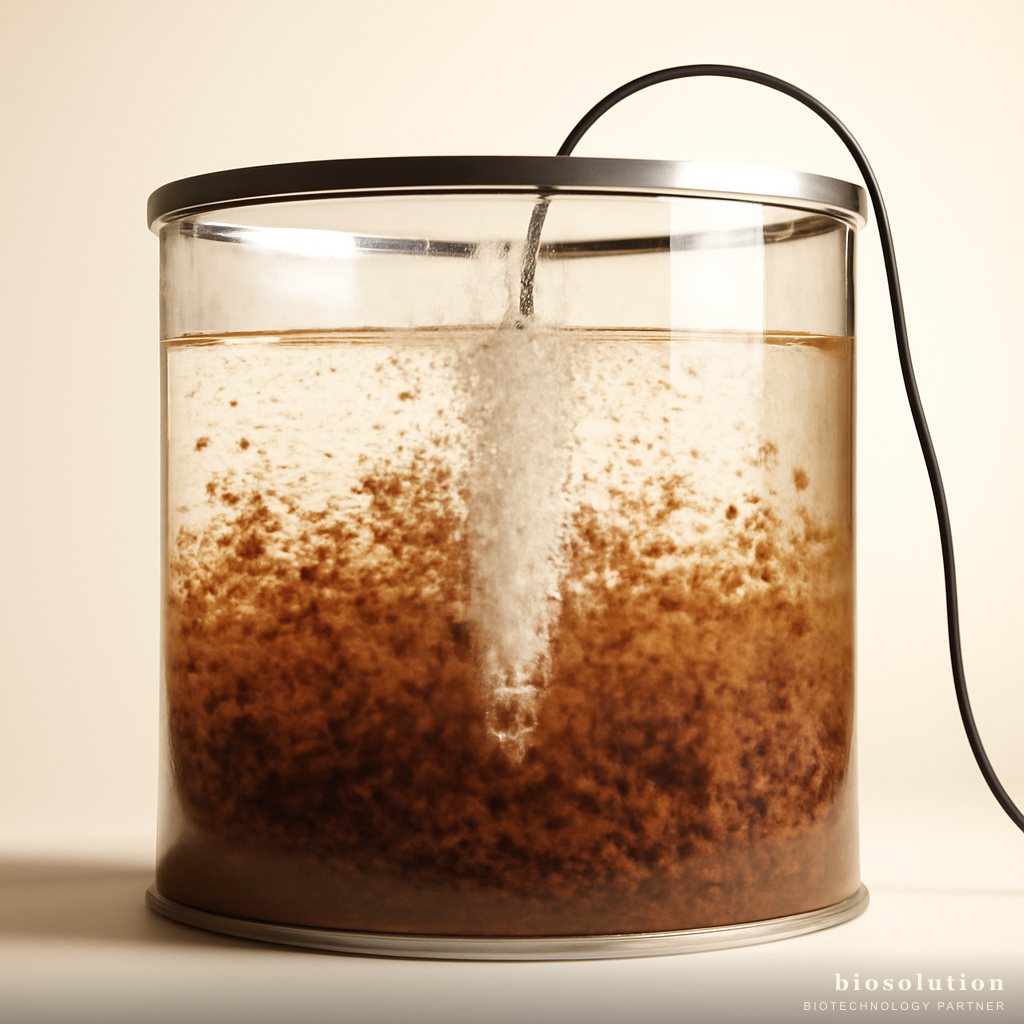
Bacillus subtilis contained in the Probiotic Formula for Tiger Shrimp Ponds is a superior decomposer bacterium. It produces protease, amylase, and lipase enzymes that break down proteins, carbohydrates, and fats from leftover feed and feces. Thus, organic matter accumulation is drastically reduced, thereby suppressing the source of ammonia.
Oxidation of Ammonia and Nitrite
Nitrosomonas sp. and Nitrobacter sp. in this probiotic formula specifically oxidize ammonia into nitrite, then nitrite into nitrate. This process accelerates the natural nitrogen cycle so that ammonia and nitrite levels remain within safe limits (<0.1 mg/L for ammonia, <1 mg/L for nitrite).
Suppression of Pathogenic Vibrio
Bacillus subtilis also produces antimicrobial compounds such as subtilin and surfactin that inhibit Vibrio growth. Additionally, Bacillus competitively competes for nutrients and space, naturally reducing Vibrio populations.
Proper Application of the Probiotic Formula for Tiger Shrimp Ponds
The Probiotic Formula for Tiger Shrimp Ponds from Biosolution is specifically designed for traditional tiger shrimp ponds. Here is the application guide:
- Dosage: 3 liters per hectare.
- Frequency: Every 10 days.
- Time: Morning (07:00-09:00) when water temperature is still low, so probiotics are not immediately killed by heat.
- Method: Spread evenly over the entire pond surface. It is best done after water exchange or during sunny weather.
With this routine, beneficial bacterial populations are maintained, water quality is stable, and the risk of crop failure is reduced.
Long-Term Benefits of Using Probiotics
Stable Water Quality
Parameters such as ammonia, nitrite, pH, and dissolved oxygen (DO) are better controlled. Tiger shrimp are more comfortable and their appetite increases.
Reduced Mortality
With a healthy environment, tiger shrimp are more resistant to stress and infection. Data from several partner ponds show a reduction in mortality of up to 50% after routine probiotic use.
Better Harvest Results
Tiger shrimp grow more uniformly, are larger in size, and survival rate (SR) increases. This directly impacts farmers' income.
Suitable for Organic Shrimp Export
Because probiotics reduce the need for antibiotics and chemicals, the resulting tiger shrimp are more environmentally friendly and meet organic export requirements. European and Japanese markets highly value naturally farmed shrimp.
Case Study: Success of Traditional Ponds in Sulawesi
One real example is a group of farmers in Bone Regency, South Sulawesi. Before using probiotics, their traditional ponds often failed due to Vibrio attacks and poor water quality. After routinely adopting the Probiotic Formula for Tiger Shrimp Ponds, over three consecutive harvest cycles:
- Ammonia levels dropped from 1.5 mg/L to <0.1 mg/L.
- Vibrio populations decreased drastically based on Total Vibrio Count (TVC) tests.
- Survival rate increased from 30% to 75%.
- Production increased from 200 kg/ha to 500 kg/ha per cycle.
This success shows that probiotics are not just a technical solution but also a long-term investment for the sustainability of traditional tiger shrimp farming.
Conclusion
Poor water quality due to ammonia and nitrite accumulation and Vibrio attacks is the main cause of losses in traditional tiger shrimp farming. Probiotics for tiger shrimp ponds containing Bacillus subtilis, Nitrosomonas sp., and Nitrobacter sp. offer an effective scientific solution. By decomposing organic matter, accelerating the nitrogen cycle, and suppressing pathogens, probiotics can stabilize water quality, reduce mortality, and increase harvest yields. For more information or consultation, contact the Biosolution technical team via WhatsApp. Also get the Probiotic Formula for Tiger Shrimp Ponds for your pond.
FAQ
Are probiotics safe for tiger shrimp?
Yes, probiotics from Biosolution contain non-pathogenic bacteria that have been tested for safety. Bacillus subtilis, Nitrosomonas sp., and Nitrobacter sp. are natural microorganisms that are harmless to shrimp and the environment. In fact, probiotics help suppress pathogenic bacteria like Vibrio.
How long does it take to see the effects of probiotics after application?
Improvement in water quality is usually noticeable within 3-7 days after the first application. Ammonia and nitrite levels will gradually decrease. For optimal results, routine application every 10 days is highly recommended.
Can probiotics be used together with lime or disinfectants?
It is best not to. Lime and disinfectants can kill probiotic bacteria. Allow a minimum of 3 days after applying lime or disinfectants before spreading probiotics. Consult with a Biosolution technician for proper scheduling.
Is the dosage of 3 L per hectare sufficient for very turbid ponds?
The standard dosage of 3 L/ha is effective for normal conditions. If the pond is heavily polluted, the dosage can be increased to 5 L/ha for the first application, then return to 3 L/ha for maintenance. Ensure probiotics are spread evenly.
How should probiotics be stored properly?
Store probiotics in a shaded, cool, and dry place at a temperature of 15-30°C. Avoid direct sunlight. Do not freeze. Use within 6 months of production to maintain bacterial viability.