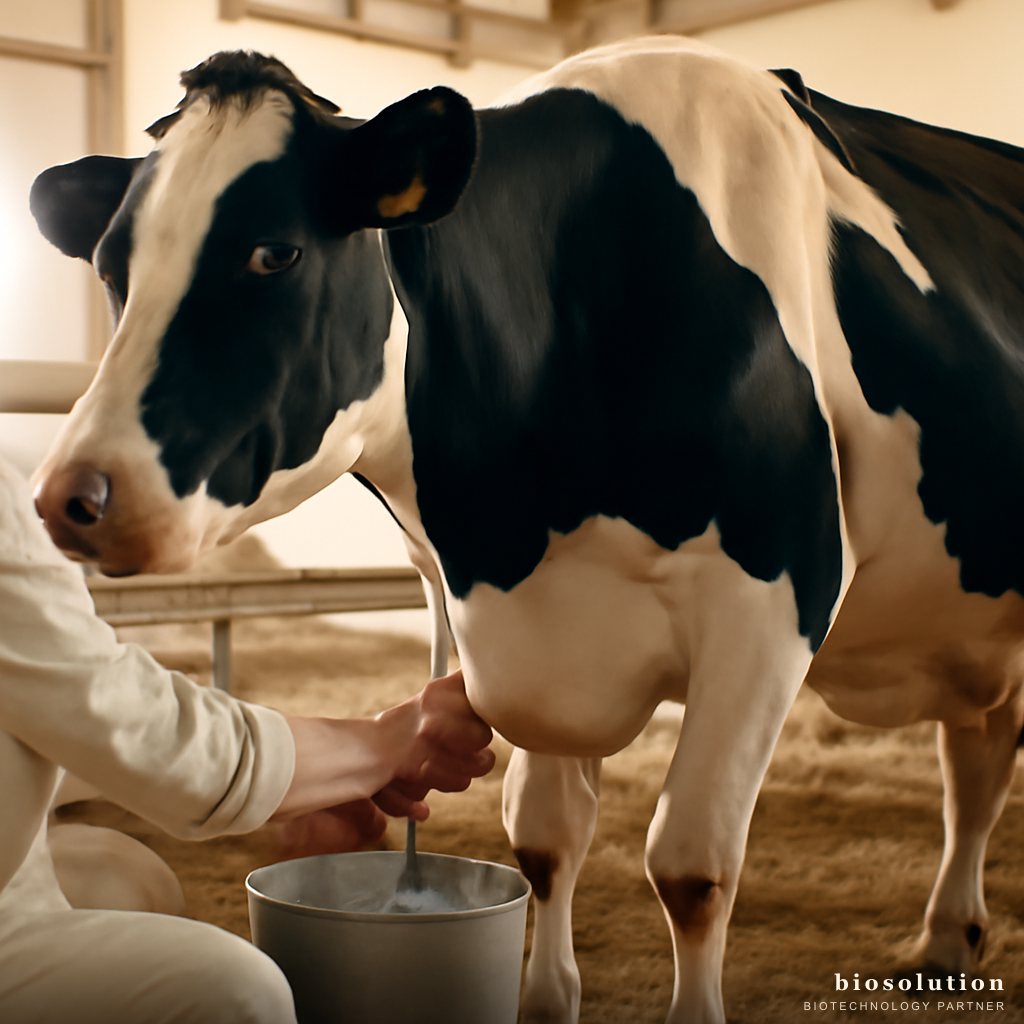
Dairy Cow Probiotics: 4 Application Methods for Maximum Milk Production
Dairy cow probiotics are now a mainstay for modern farmers to naturally increase milk production. With the right dairy cow probiotic formula, you can achieve a 5–8% increase in production while improving milk quality. However, the success of probiotics greatly depends on the application method. This article will thoroughly discuss 4 application methods of Biosolution's Dairy Cow Probiotic Formula: through drinking water, feed mix, drench, and top dressing. Each method has its advantages and dosage guidelines that need to be understood for optimal results.
Why Are Probiotics Important for Dairy Cows?
Probiotics are live microorganisms that provide health benefits to the host. In dairy cows, probiotics help stabilize the rumen and gut microbiota, making fiber digestion more efficient, maintaining rumen pH, and reducing metabolic stress. Biosolution's Dairy Cow Probiotic Formula contains 5 superior strains: Lactobacillus acidophilus (rumen pH stabilization), Lactobacillus bulgaricus (fiber fermentation), Lactobacillus casei (anti-stress), Bacillus coagulans (cellulase enzyme), and Bifidobacterium sp. (gut microbiota stabilization). This combination works synergistically to increase milk production, improve fat and protein quality, and reduce the risk of mastitis.
4 Application Methods of Dairy Cow Probiotic Formula
1. Through Drinking Water
The most practical method is to mix probiotics into drinking water. The recommended dosage is 20 ml per cow per day, given daily in the morning before milking. Ensure the drinking water is clean and does not contain excessive chlorine that could kill probiotic bacteria. Advantages of this method: easy to do, cows are directly and evenly exposed to probiotics, and it does not alter feed texture. However, ensure the water trough is not exposed to direct sunlight to keep probiotics alive.
2. Mixed with Concentrate Feed
Probiotics can be mixed into concentrate or supplementary feed. Dilute 20 ml of probiotics with a little water, then mix thoroughly with the concentrate before feeding. This method is effective because probiotics are directly mixed with feed and enter the rumen along with fiber. Ensure the concentrate is not too hot (maximum 40°C) so the bacteria do not die. Suitable for farms that already have a programmed feeding system.
3. Drench (Direct Oral Administration)
Drench is a method of administering probiotics directly into the cow's mouth using a drench gun. Dilute 20 ml of probiotics with 200–300 ml of water, then administer slowly. This method is highly recommended for cows that have just calved, are stressed, or have decreased appetite. Advantages: accurate dosage, probiotics directly enter the rumen without being affected by other feed, and very effective for therapy. However, skill is needed to prevent the cow from choking.
4. Top Dressing on Forage Feed
Top dressing is sprinkling probiotics on top of forage feed (grass, hay) after the feed is served. Mix 20 ml of probiotics with 1 liter of water, then spray evenly onto the forage. This method is simple and requires no special equipment. However, ensure the forage is consumed within 1-2 hours so probiotics are not degraded by air. Suitable for farms with fresh forage feed.
Case Study: Increased Milk Production with Probiotics
A trial at a dairy farm in East Java showed that administering dairy cow probiotics through drinking water for 30 days resulted in an average milk production increase of 7.2%, from 18 liters to 19.3 liters per cow per day. Milk fat content also increased from 3.8% to 4.1%. Additionally, mastitis incidence decreased by up to 30%. This data supports the claim that probiotics not only increase quantity but also improve milk quality.
Factors for Successful Probiotic Application
For probiotics to work optimally, consider the following factors:
- Consistency: Administer daily at the same time, in the morning before milking.
- Cleanliness: Equipment and feeding areas must be clean to prevent contamination.
- Stress: Avoid excessive stress in cows as it can reduce probiotic response.
- Feed: Ensure feed contains sufficient fiber to support fermentation.
- Water Quality: Use clean water without chlorine or heavy metals.
Conclusion
Dairy cow probiotics are a natural and effective solution to increase milk production and livestock health. By understanding the 4 application methods—drinking water, feed mix, drench, and top dressing—you can choose the method that best suits your farm conditions. Biosolution's Dairy Cow Probiotic Formula, with 5 superior strains, has been proven to increase milk production by 5–8%, improve milk quality, and reduce mastitis. Do not hesitate to consult your farm needs via WhatsApp or see product details at Dairy Cow Probiotic Formula. For more information on livestock solutions, visit Dairy Cattle Farming Solutions. Also read related articles: Understanding Probiotics for Dairy Cows. Get references from FAO on livestock probiotics.