Duck Transport Anti-Stress: 3 Common Probiotic Mistakes
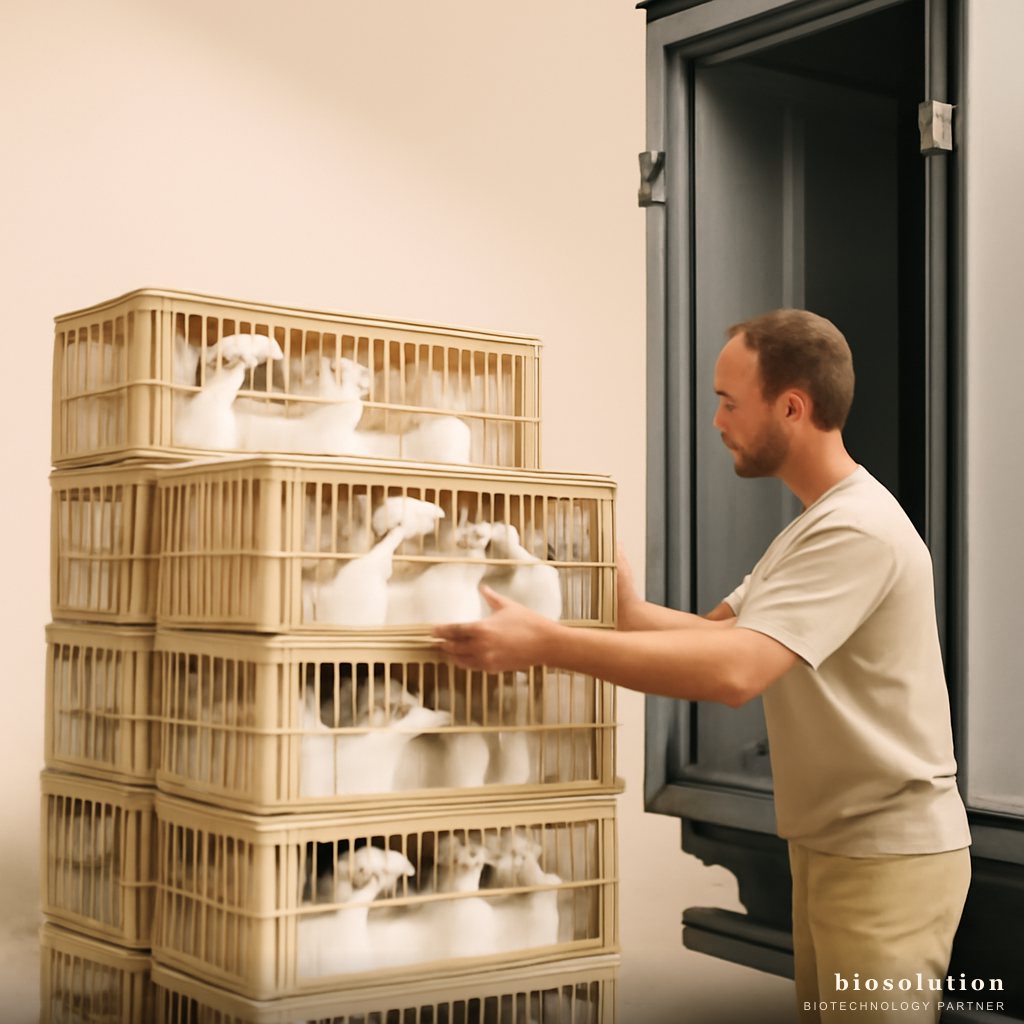
Transporting ducks from the farm to a new location is a critical moment that often triggers acute stress. Temperature changes, density, and vehicle vibrations make ducks susceptible to decreased immunity, dehydration, and even death. Add to that the sudden feed transition, which adds physiological burden. Many farmers rely on probiotics for duck anti-stress as a solution, but without proper understanding, the results are disappointing. This article reveals the three most common mistakes when using probiotics for duck anti-stress during transport and feed transition, and how Biosolution's Multiphase Duck Anti-Stress Formula provides the right approach.
Mistake #1: Choosing Probiotic Strains That Cannot Withstand Extreme Conditions
One of the most fatal mistakes is using probiotics with strains that cannot survive transport conditions. Stressed ducks experience changes in digestive tract pH, increased body temperature, and dehydration. Common probiotic strains, such as Lactobacillus bulgaricus or Streptococcus thermophilus, easily die under these conditions. In fact, for maximum effectiveness, probiotics must reach the intestines alive.
Why Bacillus coagulans and Lactobacillus casei Are the Right Choice?
The Multiphase Duck Anti-Stress Formula contains Bacillus coagulans, which forms heat- and acid-resistant spores. These spores can pass through the acidic stomach and remain viable in the intestines. Meanwhile, Lactobacillus casei acts as an immune modulator, helping to stabilize the inflammatory response caused by stress. The combination ensures probiotics work optimally even when ducks are under stressful transport conditions. Farmers often choose cheap products with single strains that are not resistant, resulting in zero effect. Ensure the probiotic product you choose contains spore-forming strains like Bacillus coagulans and immunomodulatory strains like Lactobacillus casei.
Mistake #2: Incorrect Dosage and Timing
The second mistake is giving probiotics at random dosages or inappropriate times. Many farmers give probiotics only once when ducks arrive at the location, even though transport stress has already started when ducks are packed. The effect of probiotics is not instant; it takes time for colonization and production of metabolites that suppress pathogenic bacteria.
Correct Usage: 2 ml per Liter of Water, Morning and Evening
The Multiphase Duck Anti-Stress Formula is designed to be administered via drinking water at a dose of 2 ml per liter of water, given morning and evening during the stress period (3–5 days). Administration starts from H-1 transport until 3 days after arrival. Twice-daily frequency ensures continuous availability of probiotics in the digestive tract. If given only once, the probiotic population may not be sufficient to displace pathogenic bacteria that develop due to stress. Additionally, drinking water must be clean and free of excess chlorine that could kill probiotics. Let the water sit or use cooled boiled water for optimal results.
Mistake #3: Ignoring Other Supporting Factors Such as Vitamins and Transport Management
Probiotics are not the only solution. Many farmers rely too heavily on probiotics without improving transport management and supporting nutrition. Oxidative stress due to transport requires antioxidants like vitamins C and E. The Multiphase Duck Anti-Stress Formula is already equipped with a vitamin premix that helps recover from oxidative stress, so ducks not only get probiotics but also the necessary vitamins.
Synergy of Probiotics and Vitamins for Fast Recovery
Vitamin C helps lower cortisol levels (stress hormone), while vitamin E protects cell membranes from oxidative damage. With the vitamin premix in the formula, farmers do not need to add separate synthetic vitamins that could disrupt microbiota balance if overdosed. Additionally, ensure cage density is not excessive, air circulation is good, and drinking water is always available. Good transport management includes short travel time, controlled temperature, and avoiding excessive shaking. The combination of probiotics, vitamins, and proper management will reduce mortality and accelerate duck adaptation.
How Does the Multiphase Duck Anti-Stress Formula Work?
This product is a complete formulation combining three key components: Bacillus coagulans as a spore probiotic, Lactobacillus casei as an immunomodulator, and a vitamin premix as an antioxidant. Its mechanism of action includes:
- Inhibiting pathogens: Bacillus coagulans produces lactic acid and bacteriocins that suppress Salmonella and E. coli, which often appear during stress.
- Immune modulation: Lactobacillus casei stimulates IgA production and regulatory T cells, reducing intestinal inflammation.
- Antioxidant: Vitamins C and E neutralize free radicals from oxidative stress.
The result: ducks recover faster, appetite returns, and egg production or growth is maintained. This product has been tested on commercial duck farms and shows a reduction in mortality of up to 30% during transport.
Conclusion
Overcoming transport and feed transition stress in ducks requires a holistic strategy. Three common mistakes – choosing non-resistant probiotic strains, incorrect dosage and timing, and ignoring supporting factors – often render farmers' efforts futile. By using the right probiotics such as the Multiphase Duck Anti-Stress Formula containing Bacillus coagulans, Lactobacillus casei, and a vitamin premix, and applying a dose of 2 ml per liter of water morning and evening for 3–5 days, your ducks will get through the critical period better. For further consultation on duck stress management, contact the Biosolution technical team via WhatsApp.
FAQ
What are the main causes of stress in ducks during transport?
Main causes include temperature changes, high density, vehicle vibrations, dehydration, and environmental changes. These factors trigger the release of cortisol hormone, which suppresses the immune system and disrupts the balance of gut microbiota.
How long does it take for probiotics to work on stressed ducks?
The effects of probiotics begin to be seen after 24-48 hours of administration, marked by increased appetite and activity. For full recovery, administration for 3-5 days according to dosage is recommended.
Is the Multiphase Duck Anti-Stress Formula safe for broiler and layer ducks?
Yes, this product is safe for all duck phases, both broiler and layer. There is no withdrawal period because the ingredients are natural and leave no harmful residues.
Can probiotics be mixed with other medications or vitamins?
It is best not to mix with antibiotics or disinfectants as they can kill probiotics. Allow a minimum of 2 hours between probiotic administration and other medications. The vitamin premix in the product is already complete, so no additional synthetic vitamins are needed.
How should probiotics be stored to keep them active?
Store in a cool, dry place, away from direct sunlight. Ideal storage temperature is 15-25°C. After opening, use within 30 days to maintain spore viability.