EMS AHPND in Vaname Shrimp and Probiotic Strategy for Intensive Ponds
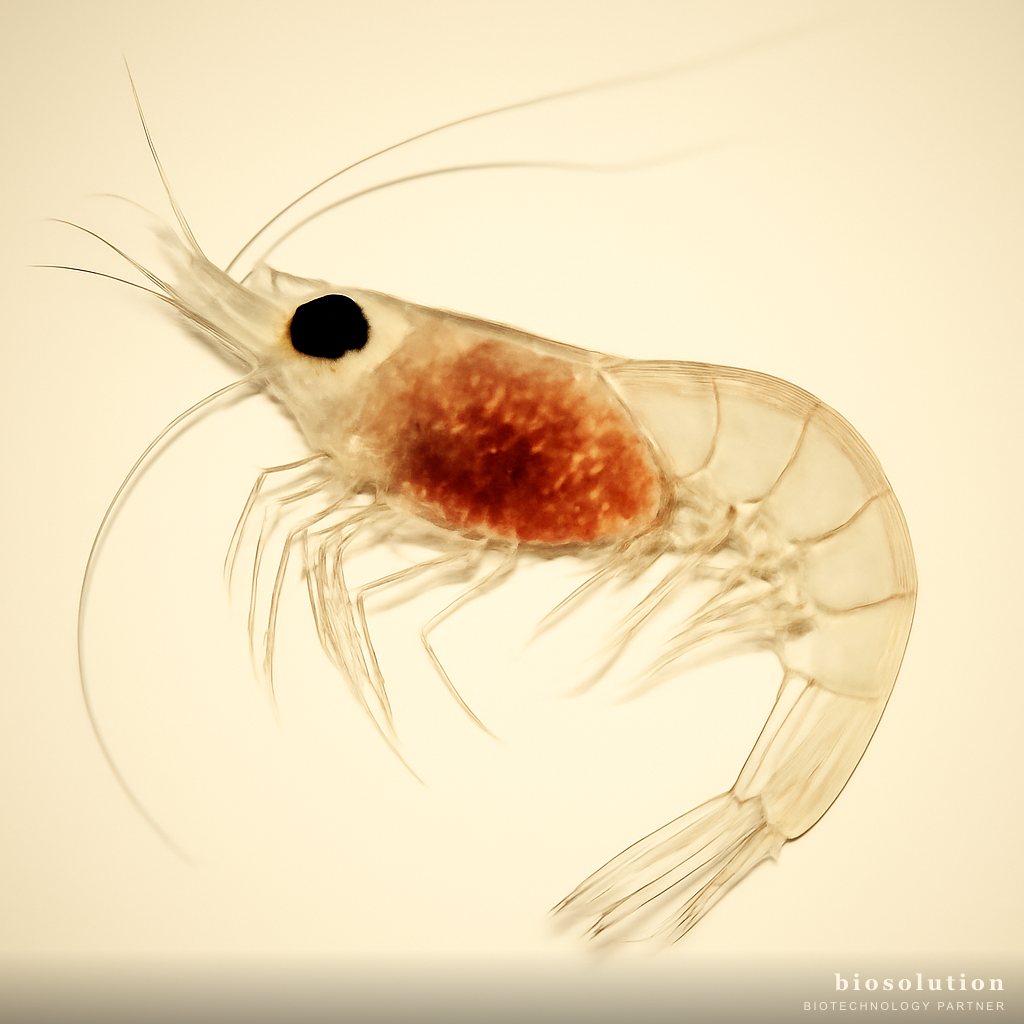
Early Mortality Syndrome (EMS) or Acute Hepatopancreatic Necrosis Disease (AHPND) is one of the deadliest diseases in vaname shrimp (Litopenaeus vannamei) cultivation. This disease has caused billions of dollars in losses to the global fisheries industry, especially in Asia and Latin America. This article thoroughly examines the causes of EMS AHPND in vaname shrimp, its economic impact, and probiotic-based control strategies that have proven effective in intensive ponds.
What is EMS AHPND in Vaname Shrimp?
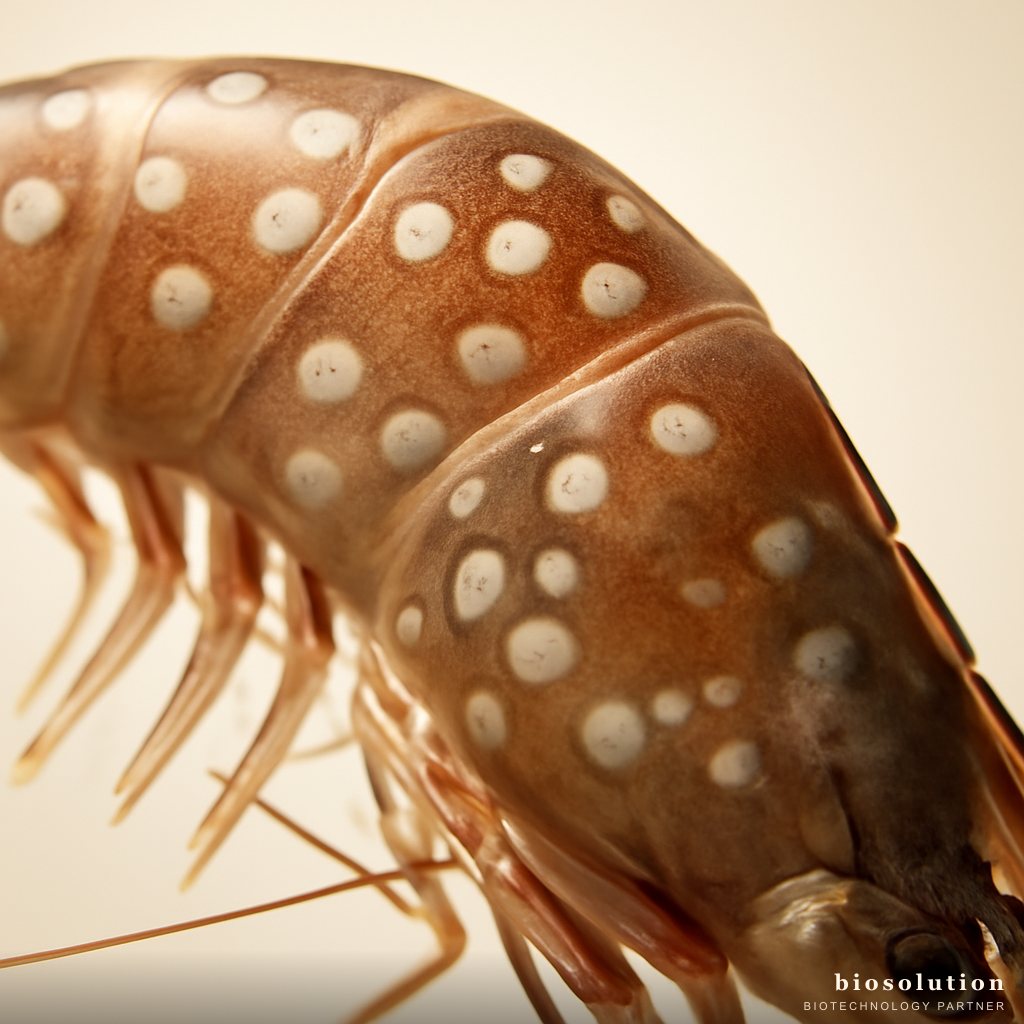
EMS AHPND is a bacterial disease that attacks the hepatopancreas of vaname shrimp, a vital organ for digestion and nutrient absorption. The disease was first reported in China in 2009 and quickly spread to Vietnam, Thailand, Malaysia, and Mexico. Typical symptoms include pale or atrophied hepatopancreas, empty gut, and mass mortality within 20-30 days after stocking.
The main cause of EMS AHPND is a specific strain of Vibrio parahaemolyticus carrying a virulent plasmid (pVA1) containing PirA and PirB toxin genes. These toxins damage hepatopancreas cells, causing necrosis and organ failure. Unlike ordinary Vibrio, AHPND strains can produce large amounts of toxins that are directly lethal to shrimp.
Difference Between EMS and AHPND
Although often used interchangeably, EMS refers to early mortality syndrome, while AHPND is a specific pathological diagnosis. Not all EMS is caused by AHPND; other factors such as poor water quality or environmental toxins can also trigger mass mortality. However, AHPND has become the dominant cause of EMS in intensive ponds.
Economic Losses Due to EMS AHPND
The impact of EMS AHPND is significant. According to FAO reports, since 2010 this disease has caused global losses of over $1 billion per year. In Southeast Asia, shrimp production dropped by up to 40% at the peak of the outbreak. Intensive ponds with high stocking densities are most vulnerable, as density facilitates Vibrio transmission.
Losses are not only from shrimp mortality but also from treatment costs, reduced selling prices, and loss of market confidence. Farmers often harvest early to avoid total loss, resulting in small-sized shrimp at low prices. Additionally, inappropriate antibiotic use increases bacterial resistance and pollutes the environment.
Causes and Risk Factors of EMS AHPND
This disease is multifactorial. Besides the presence of pathogenic Vibrio parahaemolyticus, environmental factors play a crucial role:
- Poor water quality: High ammonia, fluctuating pH, and low oxygen suppress shrimp immunity.
- High density: Stress from competition for space and oxygen.
- Excess feed: Leftover feed decomposes into a growth medium for Vibrio.
- Infected seed: Seed from contaminated hatcheries carry pathogenic bacteria.
- Extreme temperature changes: Temperatures above 30°C accelerate Vibrio growth.
Probiotic Strategy to Overcome AHPND
Probiotics have become a mainstay solution in shrimp health management. Unlike antibiotics that kill both good and bad bacteria, probiotics selectively suppress pathogens while improving water quality and shrimp immunity.
Mechanism of Probiotics Against Vibrio
Probiotics such as Bacillus spp. have several antagonistic mechanisms:
- Production of antibiotic compounds: Bacillus subtilis produces subtilin, an antimicrobial peptide effective against Vibrio.
- Nutrient competition: Bacillus is more efficient at absorbing iron and other nutrients, depriving Vibrio of resources.
- Enzyme production: Bacillus licheniformis produces protease, amylase, and lipase that degrade leftover feed and reduce organic pollution.
- Immune modulation: Bacillus stimulates non-specific immune responses in shrimp through hemocyte cell activation.
Anti-Vibrio Formula for Vaname Shrimp Ponds (Emergency)
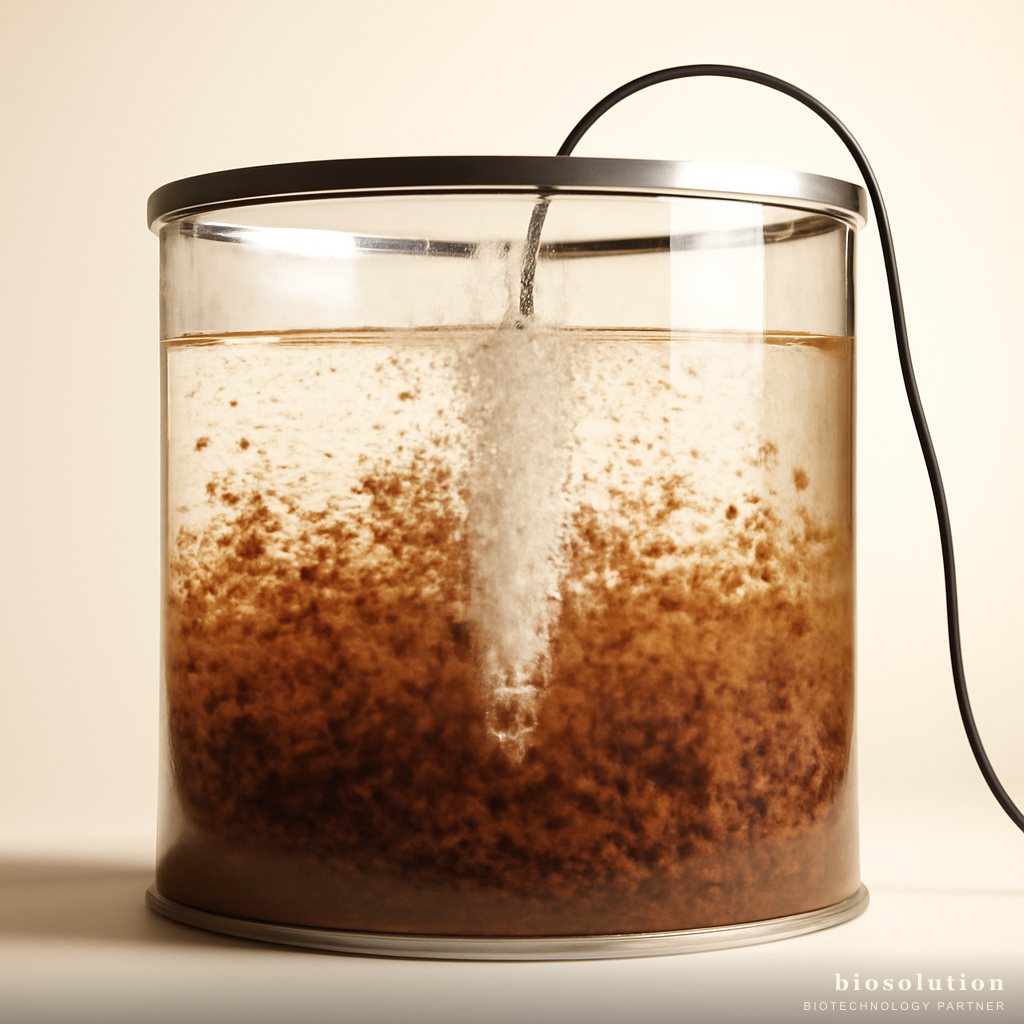
Biosolution presents the Anti-Vibrio Pond Formula specifically designed for AHPND emergency conditions. This product contains a consortium of Bacillus subtilis (10x concentration) and Bacillus licheniformis that work synergistically to rapidly suppress Vibrio populations.
- Shock treatment dose: 10 liters per hectare, broadcast directly into the pond in the morning.
- Frequency: Single application, repeat after 48 hours if necessary.
- Advantages: Knocks down Vibrio within 24-48 hours, prevents mass mortality, and accelerates shrimp recovery.
This product is emergency grade, meaning it is formulated for rapid response when AHPND symptoms begin to appear. Routine use as a preventive measure is also recommended at lower doses.
Application of Probiotics in Intensive Ponds
Successful probiotic application requires understanding pond conditions. Here is a practical guide:
Pond Preparation
- Ensure water pH 7.5-8.5, salinity 15-25 ppt, and temperature 28-30°C.
- Adequate aeration to maintain dissolved oxygen >4 ppm.
- Stop feeding 6 hours before probiotic application so Bacillus works optimally.
Application
- Dissolve the Anti-Vibrio Formula in pond water before broadcasting.
- Spread evenly over the entire pond surface, especially in feeding and aeration areas.
- Monitor water parameters every 4 hours after application.
Monitoring
- Observe shrimp appetite: if it improves within 24 hours, it is a positive indication.
- Conduct a rapid Vibrio test using TCBS media before and after treatment.
- If no improvement after 48 hours, repeat the dose and check for other factors.
Comparison of Probiotics with Other Methods
| Method | Advantages | Disadvantages |
|---|---|---|
| Probiotics | Safe, environmentally friendly, boosts immunity | Takes time for optimal effect |
| Antibiotics | Fast effect | Resistance, residues, pollution |
| Chlorine | Kills all bacteria | Toxic to shrimp, non-selective |
| Phytoremediation | Cheap, sustainable | Slow, ineffective for acute outbreaks |
Probiotics excel in sustainability and safety, but for acute AHPND cases, combination with emergency measures such as feed reduction and increased aeration is often necessary.
Case Study: Handling AHPND with Probiotics
In an intensive pond in East Java, application of Anti-Vibrio Formula on 25-day-old vaname shrimp showing AHPND symptoms (pale hepatopancreas, empty gut) successfully reduced mortality from 30% per day to <5% within 3 days. Water parameters such as ammonia and nitrite also decreased significantly due to Bacillus enzymes degrading organic waste.
Farmers reported shrimp actively feeding again within 48 hours, and after 7 days, Vibrio populations in the water dropped by up to 90%. This success underscores the importance of early detection and proper dosing of probiotics.
FAQ about EMS AHPND and Probiotics
What is the difference between EMS and AHPND?
EMS is early mortality syndrome that can be caused by various factors, while AHPND is a specific disease caused by Vibrio parahaemolyticus carrying Pir toxins. AHPND diagnosis requires laboratory confirmation.
Can probiotics cure shrimp already infected with AHPND?
Probiotics are more effective for prevention and early control. In severely infected shrimp, probiotics help reduce toxins and improve water quality, so healthy shrimp can survive. Mortality still occurs in shrimp with damaged hepatopancreas.
How long does it take to see probiotic effects?
Generally within 24-48 hours after application, shrimp appetite increases and mortality decreases. Total Vibrio reduction in water may take 3-7 days depending on conditions.
Is the Anti-Vibrio Formula safe for plankton and aquatic plants?
Yes, Bacillus subtilis and Bacillus licheniformis are non-pathogenic bacteria that help decompose organic matter, thus supporting healthy phytoplankton growth.
Can probiotics be used together with antibiotics?
It is best not to. Antibiotics kill probiotic bacteria. If antibiotics are unavoidable, allow a minimum 48-hour gap after antibiotics finish before applying probiotics.
Conclusion
EMS AHPND is a serious threat to intensive vaname shrimp farming. Its main cause is pathogenic Vibrio parahaemolyticus exacerbated by environmental factors. The best control strategy is prevention through good water quality, density, and feed management, as well as the use of probiotics such as Anti-Vibrio Pond Formula from Biosolution. This product contains Bacillus subtilis and Bacillus licheniformis that can rapidly suppress Vibrio, safe for shrimp and the environment. For optimal results, apply when early symptoms appear at a dose of 10 L/ha. With an integrated probiotic approach, farmers can minimize losses and maintain production sustainability.
Consult your pond problems with Biosolution's expert team via WhatsApp to get appropriate dosage and application schedule recommendations.