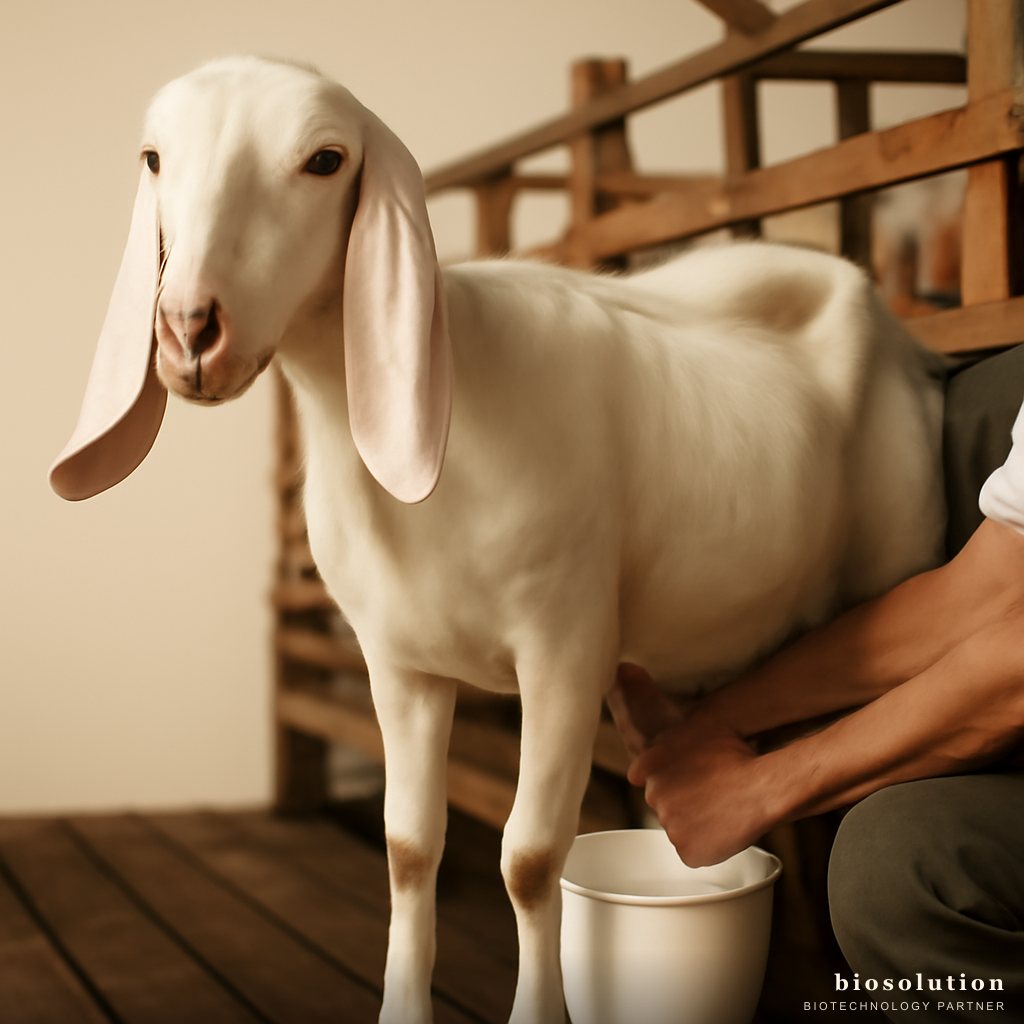
Etawa Dairy Goat Probiotics: Proper Dosing Schedule per Maintenance Phase
As an Etawa dairy goat farmer, you certainly want maximum and sustainable milk production. One key to success is optimal feed management and digestive health. Etawa dairy goat probiotics are a scientifically proven solution to improve feed efficiency, milk quality, and immunity. However, probiotic administration cannot be done carelessly. Each maintenance phase—from kid, doe, lactation, to dry—has different needs. This article will guide you in scheduling proper probiotic administration so your investment yields maximum results.
Why Are Probiotics Important for Etawa Dairy Goats?
Probiotics are live microorganisms that provide health benefits to the host. In dairy goats, probiotics work by balancing the rumen and gut microbiota, improving fiber digestion, and suppressing pathogens that cause diarrhea and mastitis. Biosolution's Formula PE (Etawa Goat Probiotic) contains three superior strains: Lactobacillus acidophilus as the main probiotic, Lactobacillus casei which is anti-lactation stress, and Bacillus coagulans which produces digestive enzymes. This combination creates synergy that supports a milk production increase of 8–15%, better milk quality, longer lactation persistency, and reduced udder diseases. Without probiotics, the genetic potential of Etawa goats cannot be optimally achieved.
Kid Phase (0-2 Months): Building a Healthy Digestive Foundation
In this phase, kids are very susceptible to digestive disorders such as diarrhea. Early probiotic administration helps colonize good bacteria in the gut, improves digestibility of colostrum and milk, and stimulates immune system development.
Dosing Schedule
- Age 0-7 days: No probiotics needed yet, focus on colostrum.
- Age 7-30 days: Give 5 ml of Formula PE per head per day, mixed into milk replacer or drinking water. Lactobacillus acidophilus will suppress the growth of E. coli and Salmonella.
- Age 30-60 days: Increase the dose to 10 ml per head per day, as kids start learning to eat concentrate. Bacillus coagulans helps digest complex carbohydrates.
Doe Phase (2-12 Months): Preparation for Reproduction and Lactation
Does need nutrition for bone, muscle, and reproductive organ growth. Probiotics help feed efficiency so growth is faster and feed costs are lower. In this phase, Lactobacillus casei plays a role in reducing stress due to feed and environmental changes.
Dosing Schedule
- Dosage: 10 ml per head per day, in the morning before feeding.
- Method: Drench directly using a syringe without needle, or mix into concentrate.
- Frequency: Every day, without interruption.
- Duration: Continue until mating age (8-10 months) and early pregnancy.
Lactation Phase (After Kidding to Peak Production)
This is the most critical phase. Goats need high energy for milk production. Probiotics improve rumen fermentation, making fiber easier to digest and increasing volatile fatty acid (VFA) production. Lactobacillus acidophilus and Bacillus coagulans work together to break down cellulose and starch.
Dosing Schedule
- Dosage: 10 ml per head per day, in the morning 30 minutes before main feeding.
- Method: Drench or mix into concentrate. Ensure probiotics are not exposed to direct sunlight.
- Frequency: Every day during lactation (usually 8-10 months).
- Note: If mastitis occurs, increase the dose to 15 ml per day for 7 days to aid recovery.
Dry Phase (2 Months Before Kidding): Rest and Regeneration
The dry phase is a rest period for the udder and preparation for pregnancy. Probiotics are still given to maintain digestive health, prevent constipation, and prepare the rumen microflora for the next lactation. Lactobacillus casei helps reduce stress due to hormonal changes.
Dosing Schedule
- Dosage: 10 ml per head per day.
- Method: Mix into concentrate.
- Frequency: Every day until 2 weeks before expected kidding.
- Cessation: Stop 2 weeks before kidding to prevent contamination of colostrum. Resume after kidding.
Tips for Successful Probiotic Administration
For probiotics to work optimally, pay attention to the following:
- Consistency: Give every day at the same time; morning is best because rumen activity starts to increase.
- Storage: Store in a cool place (4-8°C) after opening. Avoid heat or direct sunlight.
- Do not mix with medication: If the goat is being treated with antibiotics, allow at least a 2-hour interval.
- Drinking water: Ensure clean water is available at all times. Probiotics are inactive in water with high chlorine content.
- Quality feed: Probiotics will be more effective if forage and concentrate are of good quality.
For best results, use Etawa Goat Probiotic Formula (PE) from Biosolution, specially formulated for dairy goats. This product has been proven to increase milk production by 8-15% and improve milk quality.
Conclusion
Proper administration of Etawa dairy goat probiotics according to the maintenance phase is a smart investment to increase livestock productivity and health. From the kid phase to the dry phase, each stage requires appropriate dosage and method. With Biosolution's Formula PE, you get a synergistic combination of Lactobacillus acidophilus, Lactobacillus casei, and Bacillus coagulans. The result: increased milk production, better milk quality, and longer lactation persistency. Don't hesitate to consult with the Biosolution team via WhatsApp for recommendations tailored to your farm conditions.
FAQ
1. Is it safe to give probiotics every day?
Yes, probiotics are safe to give every day at the recommended dose (10 ml per head per day). Probiotics are microorganisms naturally present in the digestive tract. Routine administration actually helps maintain microbiota balance and improve feed efficiency. If overdosed, excess will be excreted through feces without side effects.
2. When is the best time to give probiotics to goats?
The best time is in the morning, 30 minutes before main feeding. At that time, rumen pH is still low and microbial activity starts to increase. Morning administration also makes it easier for you to remember and ensure consistency. Avoid giving probiotics simultaneously with antibiotics.
3. Can probiotics be mixed with concentrate feed?
Yes. Mix 10 ml of Formula PE into an appropriate amount of concentrate, stir well, then give to the goat. Ensure the concentrate is not too hot (above 45°C) as it can kill the probiotics. If using drench, use a syringe without needle and slowly insert into the side of the mouth.
4. Do probiotics help with mastitis?
Probiotics do not directly treat mastitis, but they can help reduce the risk and speed up recovery. Lactobacillus acidophilus and Lactobacillus casei suppress the growth of mastitis-causing pathogens such as Staphylococcus aureus. Routine administration strengthens local udder immunity. If mastitis has already occurred, still consult a veterinarian and use antibiotics as prescribed.
5. How long does it take to see the effect of probiotics on milk production?
The effect of increased milk production usually starts to be seen after 2-3 weeks of routine administration. In the first week, you may notice changes in fecal consistency (firmer) and increased appetite. Maximum milk production is achieved after 4-6 weeks, with an increase of 8-15% from baseline. Lactation persistency also lasts longer until the end of lactation.