Feed Mycotoxin Binder MOS: Smart Solution for Healthy Livestock
Mycotoxins in animal feed are a nightmare for feed mills and integrators. Fungal contamination producing these toxins not only reduces feed quality but also threatens livestock health and productivity. This is where feed mycotoxin binder MOS plays a crucial role. Mannan-oligosaccharides (MOS) derived from the cell wall of Saccharomyces cerevisiae have been scientifically proven to bind various mycotoxins, prevent their absorption in the digestive tract, and maintain optimal livestock performance. Biosolution presents a Feed Mycotoxin Binder Formula specifically formulated for the commercial feed industry.
Why Are Mycotoxins a Serious Problem in Animal Feed?
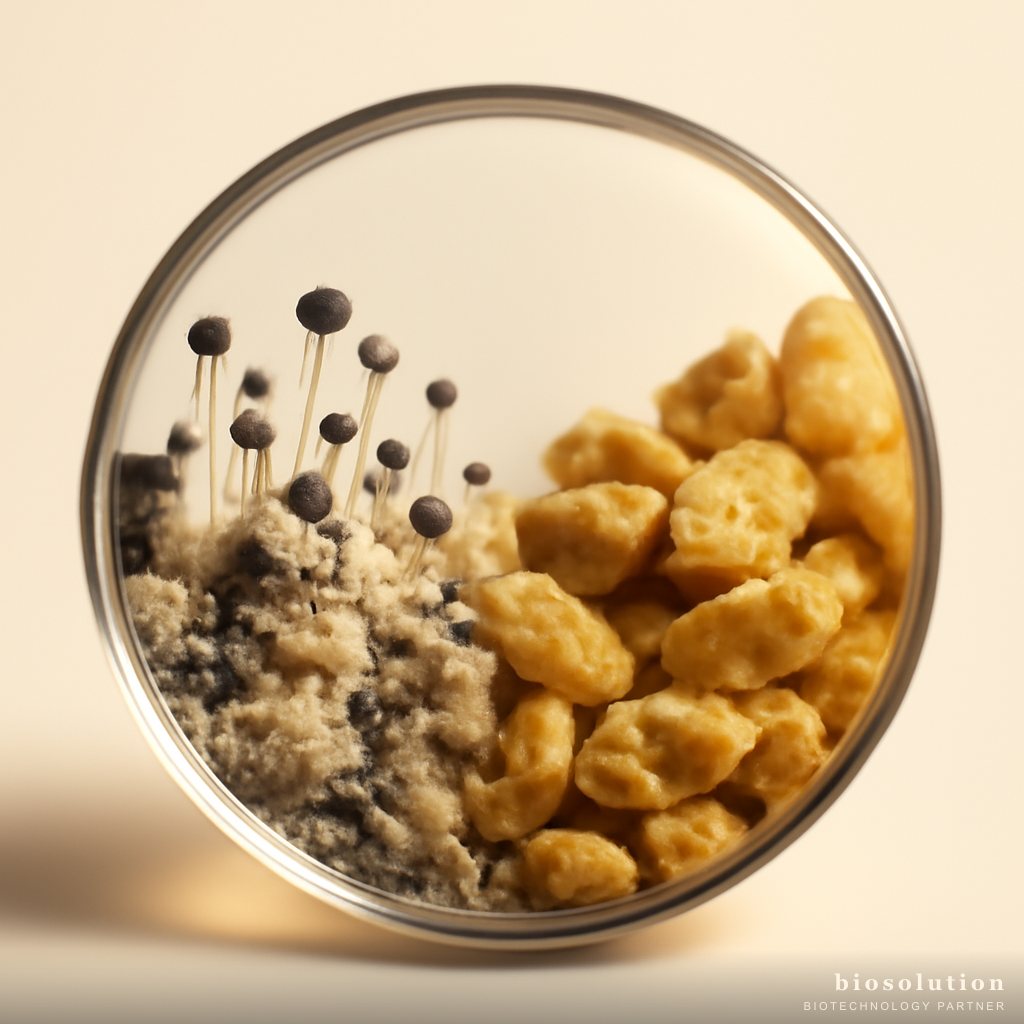
Mycotoxins are secondary metabolites produced by fungi such as Aspergillus, Fusarium, and Penicillium. These fungi thrive in humid and warm conditions, especially during the rainy season or improper feed storage. The impact of mycotoxins on livestock varies widely, from reduced feed intake, liver dysfunction, immunosuppression, to decreased egg or milk production. At high levels, mycotoxins can cause death. Economic losses due to mycotoxins are estimated at billions of rupiah annually in the Indonesian livestock industry.
Common mycotoxins found in feed include aflatoxin, ochratoxin, zearalenone, deoxynivalenol (DON), and fumonisin. Each has a different toxicity mechanism, but all threaten feed efficiency and animal welfare. Therefore, an effective mycotoxin control strategy is a priority for feed mills and integrators.
How Does MOS Work as a Mycotoxin Binder?
Mannan-oligosaccharides (MOS) are complex carbohydrates extracted from the cell wall of Saccharomyces cerevisiae yeast. The MOS structure has a unique ability to physically bind mycotoxins through hydrogen bonds and hydrophobic interactions. This process is similar to a "trapping" mechanism where MOS acts like a sponge absorbing toxins in the digestive tract.
In addition to MOS, yeast cell walls also contain β-glucans that act as immunomodulators. β-glucans can stimulate the livestock's immune system, helping fight secondary infections that often accompany mycotoxin exposure. The combination of MOS and β-glucans in Biosolution's Feed Mycotoxin Binder Formula provides dual protection: binding toxins and strengthening immunity.
Mycotoxin Binding Mechanism by MOS
MOS molecules have a surface rich in hydroxyl and amino groups. These groups interact with both polar and non-polar mycotoxin molecules. The bonds formed are strong enough that the MOS-mycotoxin complex cannot be absorbed by the intestine and is excreted in feces. Thus, exposure of target organs such as the liver and kidneys to mycotoxins is minimized.
Research shows that MOS effectively binds aflatoxin B1, zearalenone, ochratoxin A, and DON. Binding effectiveness varies depending on pH, temperature, and MOS concentration. Under normal digestive tract conditions, MOS remains stable and can bind mycotoxins optimally.
Advantages of Biosolution's Feed Mycotoxin Binder Formula
This Biosolution product is specially formulated to meet the needs of feed mills and integrators seeking a practical, effective, and safe solution. Here are its main advantages:
1. Based on High-Quality Yeast Cell Wall
The raw material Saccharomyces cerevisiae comes from superior strains with high MOS and β-glucan content. Controlled extraction ensures maximum binding activity.
2. Economical Dosage: 1–2 kg per Ton of Feed
With a low yet effective dosage, this product provides cost efficiency without compromising protection. Suitable for application in broiler, layer, swine, cattle, and fish feed.
3. Easy Application: Mix Directly During Mixing
No special equipment needed. Simply mix the product into the feed during mixing. The product is a fine powder that disperses evenly.
4. Safe for All Types of Livestock
As a natural product from yeast cell walls, it is safe with no harmful residues. It does not affect feed palatability or the quality of livestock products (meat, eggs, milk).
5. Feed Biosecurity Backup During Rainy Season
When high humidity increases the risk of fungal growth, using this product is a smart anticipatory step. It protects livestock from mycotoxins that may have formed before feed is given.
Proper Application for Maximum Results
To optimize mycotoxin binding effectiveness, consider the following:
- Ensure even mixing: Use a good feed mixer. If possible, pre-mix with a portion of feed before adding to the entire batch.
- Use every time feed is made: Since mycotoxins can appear anytime, routine application is better than only when contamination is suspected.
- Store in a dry place: The product in packaging should be stored in a cool, dry place to maintain stability.
- Combine with good feed management: Although this product is effective, still strive for ideal feed storage (temperature <25°C, RH <70%) to minimize fungal growth.
Case Study: Effectiveness of MOS in Broiler Feed
A study in Indonesia showed that adding MOS from yeast cell wall to broiler feed contaminated with aflatoxin B1 (100 ppb) reduced aflatoxin levels in the liver by up to 60% and increased final body weight by 8% compared to the control without MOS. Hematological parameters also improved, indicating reduced oxidative stress.
These data reinforce that the use of feed mycotoxin binder MOS is not only protective but also supports growth performance. Feed mills and integrators can rely on this product as part of a preventive nutrition strategy.
Comparison with Other Mycotoxin Binders
Several types of mycotoxin binders are available on the market, such as bentonite, zeolite, and activated carbon. However, each has limitations. Bentonite and zeolite are effective for aflatoxin but less effective for non-polar mycotoxins like zearalenone and DON. Activated carbon can bind many toxins but also binds essential nutrients like vitamins and minerals.
MOS has the advantage of selectively binding mycotoxins without interfering with nutrient absorption. Additionally, the immunomodulatory effect of β-glucans provides extra benefits not found in mineral binders. Therefore, MOS is a superior choice for comprehensive protection.
Conclusion
Mycotoxins are a real threat to the livestock industry, especially in Indonesia with its tropical climate that supports fungal growth. The use of feed mycotoxin binder MOS from Saccharomyces cerevisiae cell wall has been proven effective in binding various mycotoxins, maintaining livestock performance, and supporting immunity. Biosolution's Feed Mycotoxin Binder Formula offers a practical solution with economical dosage, easy application, and high safety. For feed mills and integrators who want to ensure feed quality and livestock health, this product is the right choice.
Want to know more? Consult your needs with the Biosolution team via WhatsApp or see the product Feed Mycotoxin Binder Formula for detailed information. Also get other feed management tips in related articles.