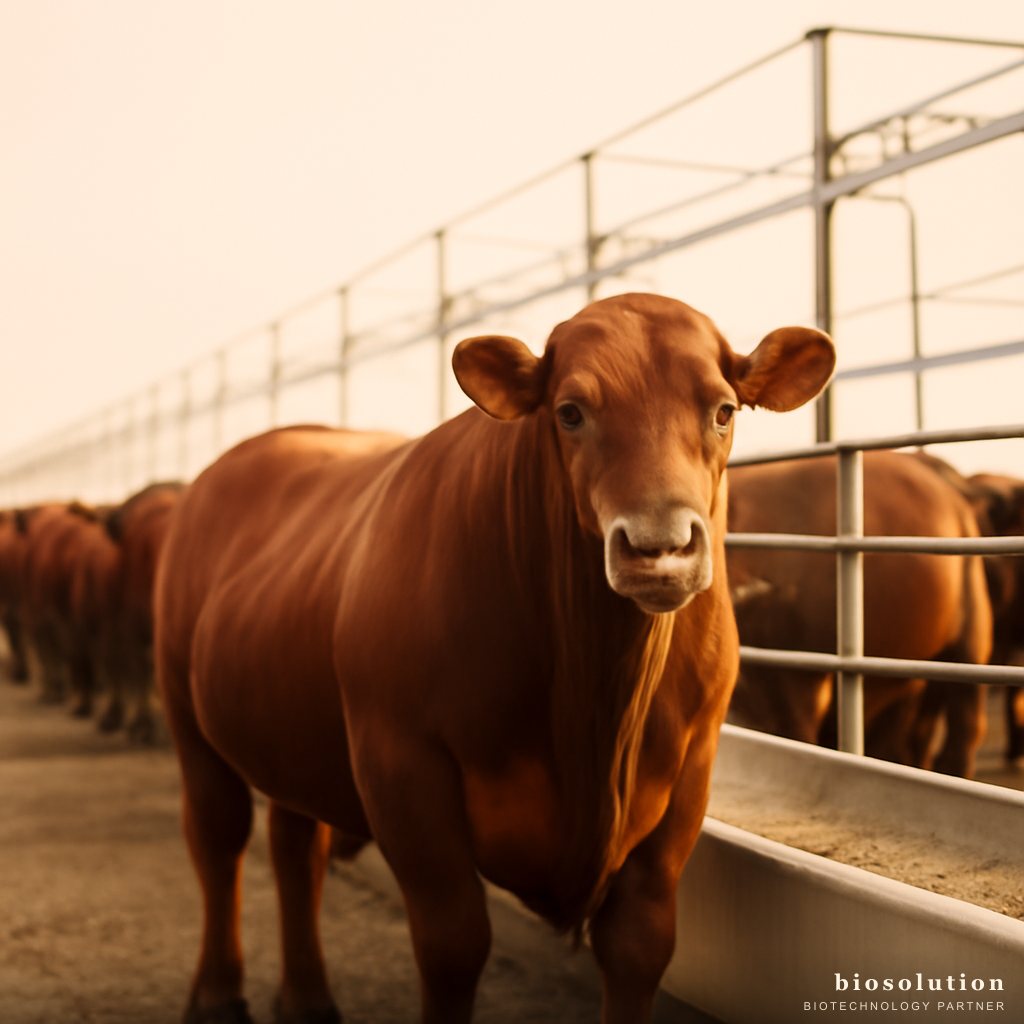
Feedlot Beef Cattle Probiotics for ADG and FCR: Proper Application Methods
Feedlot beef cattle probiotics for ADG and FCR are now a mainstay for modern farmers who want to increase productivity without compromising animal health. Biosolution's Beef Cattle Probiotic Formula offers three superior bacterial strains—Lactobacillus acidophilus, Bacillus coagulans, and Bacillus megaterium—designed for rumen pH stabilization, digestive enzyme production, and mineral solubilization. However, the success of probiotics heavily depends on the correct application method. This article discusses three main methods: through drinking water, feed, or drench, complete with recommended dosage and frequency.
Why Are Beef Cattle Probiotics Important for Feedlots?
Intensive feedlots require cattle to reach slaughter weight in a short time with energy-dense feed. This condition is prone to causing subclinical acidosis, a rumen disorder that reduces ADG (Average Daily Gain) and worsens FCR (Feed Conversion Ratio). Probiotics work by balancing rumen microflora, improving fiber digestibility, and suppressing pathogenic bacteria. FAO studies show that probiotic supplementation can increase ADG by 8–12% and improve FCR by 5–8% in beef cattle. Thus, probiotics are not just additives but a strategic necessity for modern feedlots.
Application Methods for Beef Cattle Probiotic Formula
Through Drinking Water
Application through drinking water is the most practical method for farms with automatic watering systems. Mix 25 ml of Beef Cattle Probiotic Formula per head per day into the drinking water tank. Ensure the water is clean and free of excess chlorine, as chlorine can kill probiotic bacteria. Advantages of this method: even distribution, no additional labor required, and cattle stay hydrated. However, ensure water consumption is stable; if the weather is hot, dosage adjustments may be needed.
Through Feed (Concentrate)
Application via feed is suitable for feedlots using Total Mixed Ration (TMR) or concentrate. Mix 25 ml of probiotic per head per day into the concentrate feed, stir well, and provide in the morning. This method ensures probiotics enter the rumen directly with the feed. Bacillus coagulans in this formula produces protease, amylase, and cellulase enzymes that help digest feed more efficiently. As a result, FCR improves and feed cost per kilogram of weight gain is lower.
Through Drench (Oral Liquid)
Drench is a direct administration method using a drench gun into the cattle's mouth. Suitable for sick, newly arrived, or low-appetite cattle. The dosage remains 25 ml per head per day, given in the morning. This method ensures accurate dosing and rapid effects. Lactobacillus acidophilus quickly lowers excessively high rumen pH caused by energy-dense feed, preventing acidosis. Although more labor-intensive, drench is highly effective for individual treatment.
Proper Dosage and Frequency
The dosage of Beef Cattle Probiotic Formula is 25 ml per head per day, given daily in the morning. Consistency is key: probiotics work optimally when administered regularly without interruption. For a feedlot with 1000 head, 25 liters of probiotic are needed per day. Store the product in a cool place (4–10°C) before use. If using drench, use clean equipment and calibrate the volume periodically.
Measurable Benefits: ADG Up, FCR Down
Field application data show that routine use of Beef Cattle Probiotic Formula increases ADG by up to 12% and reduces FCR by up to 8%. Additionally, the incidence of subclinical acidosis drops dramatically, resulting in healthier cattle and better carcasses. Bacillus megaterium plays a role in solubilizing minerals such as phosphorus, improving nutrient absorption for bone and muscle growth. With better FCR, farmers can save 5–8% on feed costs per kilogram of weight gain.
Tips for Choosing an Application Method
Choose a method according to the scale and facilities of the farm:
- Drinking water: for large feedlots with automatic watering systems.
- Feed: for feedlots with TMR or daily concentrate feed.
- Drench: for new, sick, or individual treatment cattle.
Combination methods can also be used: for example, drench for new cattle for the first 3 days, then continue via feed. Consult with Biosolution's technical team for specific recommendations.
Conclusion
Feedlot beef cattle probiotics for ADG and FCR are a smart investment for farmers looking to improve production efficiency. Biosolution's Beef Cattle Probiotic Formula, with three superior strains, offers flexible application solutions: drinking water, feed, or drench. With a dosage of 25 ml per head per day, tangible results of 8–12% increase in ADG and 5–8% improvement in FCR can be achieved. For optimal results, consult your farm's needs with our expert team via WhatsApp. See the full product at Beef Cattle Probiotic Formula or Intensive Feedlot Beef Cattle Probiotic Formula.
FAQ
Is it safe to give probiotics every day?
Yes, probiotics are safe to give daily because the bacteria contained are non-pathogenic microbes naturally found in the cattle's digestive tract. The dosage of 25 ml per head per day has been tested and causes no side effects. Routine administration is necessary to maintain rumen microflora balance and provide optimal benefits.
How long does it take to see an increase in ADG?
An increase in ADG is usually noticeable after 2–4 weeks of routine use. In cattle that previously experienced subclinical acidosis, improvement in appetite and growth may be faster. Field data show an average ADG increase of 8–12% within the first 30 days.
Can it be mixed with medication or vaccines?
It is best not to mix directly with medication or vaccines as it can reduce probiotic bacterial viability. Allow a minimum of 2 hours between probiotic administration and medication/vaccines. If in doubt, consult a veterinarian or Biosolution's technical team.
How should probiotics be stored?
Store Beef Cattle Probiotic Formula in a refrigerator at 4–10°C. Avoid direct sunlight and temperatures above 30°C. Once opened, use within 30 days to maintain bacterial viability. Do not freeze as ice crystals can damage bacterial cells.
Are there side effects from overdose?
Probiotic overdose rarely causes serious side effects because the bacteria are excreted in feces. However, excessive dosage (e.g., >50 ml/head/day) may cause temporary mild diarrhea. Follow the recommended dosage of 25 ml per head per day for optimal and safe results.