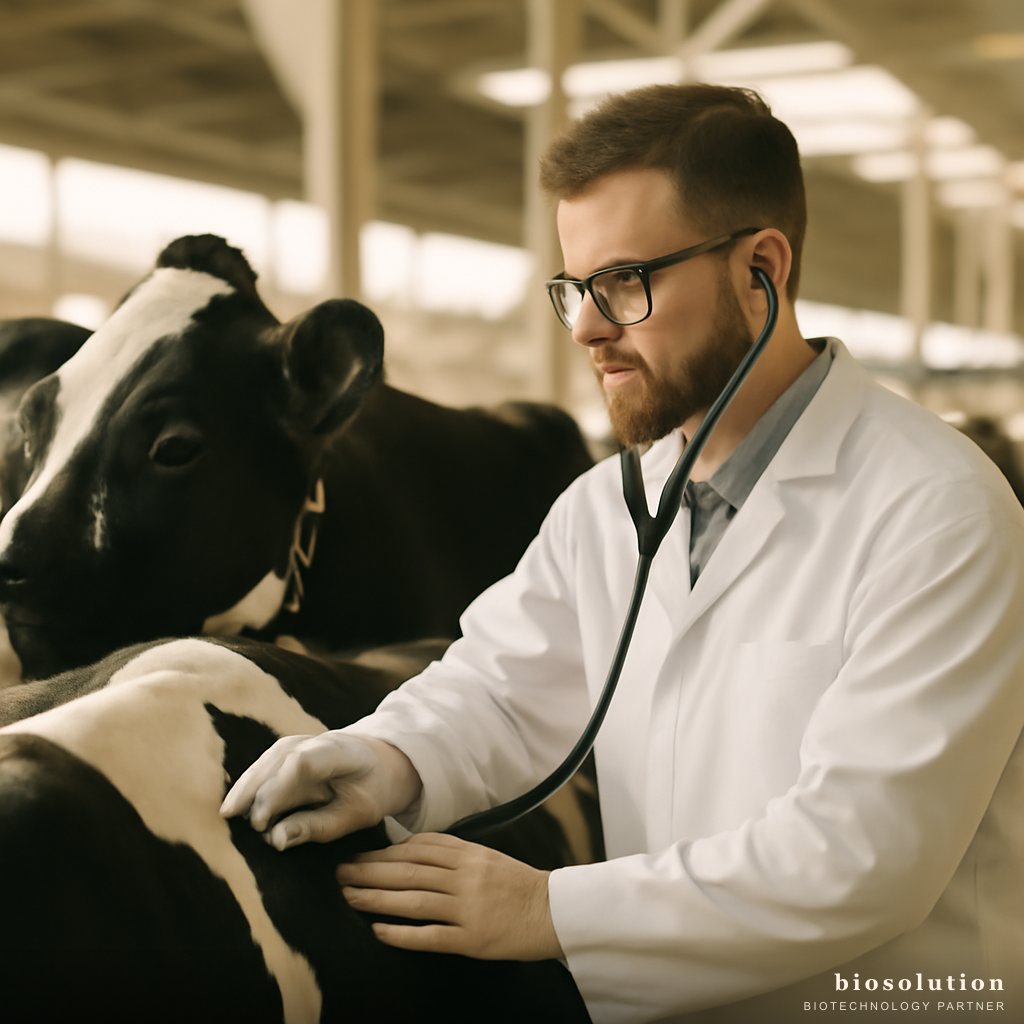
How to Apply Intensive Feedlot Cattle Probiotic Formula to Prevent Rumen Acidosis
Rumen acidosis in feedlot cattle is an acute digestive disorder triggered by sudden high-concentrate intake. This condition is characterized by a drop in rumen pH below 5.5, which triggers excessive growth of lactic acid bacteria and inhibits cellulolytic microbial activity. Without proper management, acidosis can reduce growth performance, increase laminitis cases, and even cause death. The good news is that Biosolution's Intensive Feedlot Cattle Probiotic Formula offers a science-based solution to stabilize rumen pH and accelerate concentrate adaptation. However, its effectiveness depends heavily on the correct application method. This article will explore three main application methods—via drinking water, feed, and drench—along with best recommendations for intensive feedlots.
Why Rumen Acidosis Threatens Intensive Feedlots?
Impact of High Concentrate on Rumen Microbiome
High-concentrate feed is rich in easily fermentable carbohydrates such as starch and sugars. In the rumen, these carbohydrates are rapidly fermented by bacteria like Streptococcus bovis and Lactobacillus spp., producing lactic acid and volatile fatty acids (VFAs). The accumulation of lactic acid drastically lowers pH, disrupting the rumen microbial balance. Cellulolytic bacteria sensitive to low pH die off, while lactic acid-producing bacteria dominate, creating a vicious cycle of worsening pH decline.
Early Signs of Subclinical Acidosis
Not all acidosis shows clinical symptoms. Subclinical acidosis often goes unnoticed, but its effects are real: decreased appetite, loose or foamy feces, reduced milk production (in dams), and stunted growth. If not addressed promptly, subclinical acidosis can develop into acute acidosis with symptoms such as dehydration, metabolic acidosis, and sudden death.
Role of Probiotics in Mitigating Acidosis
Probiotics such as Lactobacillus acidophilus and Saccharomyces cerevisiae have been shown to help stabilize rumen pH through several mechanisms: (1) competition with pathogenic lactic acid-producing bacteria, (2) production of antimicrobial compounds, and (3) stimulation of lactate-utilizing bacteria like Megasphaera elsdenii. Biosolution's Intensive Feedlot Cattle Probiotic Formula contains a consortium of beef cattle probiotics specifically formulated for feedlot conditions, plus cellulase enzymes to aid fiber digestion even with high concentrate proportions.
Three Application Methods for Intensive Feedlot Cattle Probiotic Formula
1. Via Drinking Water: Practical for Large Scale
Applying probiotics through drinking water is the most practical method for feedlots with thousands of animals. Mix 30 ml of Intensive Feedlot Cattle Probiotic Formula per head per day into the drinking water tank. Ensure the water is clean and does not contain excess chlorine that could kill the probiotics. Advantages: even distribution, no additional labor required, and cattle that are reluctant to eat still receive probiotics. However, probiotic stability in water must be considered—the solution should be used within 24 hours.
2. Via Feed (Mixed with Concentrate): Effective and Measurable
This method is recommended by Biosolution because the dosage is more controlled. Mix 30 ml of Intensive Feedlot Cattle Probiotic Formula per head per day into the concentrate during morning feeding. Stir thoroughly so that the probiotics adhere to feed particles. Advantages: probiotics enter directly with feed, ensuring contact with rumen microbes during fermentation. Ensure feed is not heated above 60°C to maintain probiotic viability.
3. Via Drenching: For Acute Cases or Early Adaptation
Drenching, or direct administration into the cattle's mouth using a tube or drench gun, is usually done for sick animals or during the transition to high-concentrate diets. Dissolve 30 ml in clean water and administer directly. This method provides the fastest effect because probiotics enter the rumen directly without mixing with feed. However, it requires trained personnel and is not practical for large populations. Suitable for initial treatment of cattle showing signs of subclinical acidosis.
Best Method Recommendations Based on Rearing Phase
Concentrate Adaptation Period (Transition)
During the first week when cattle are switched from forage to high-concentrate feed, the risk of acidosis is highest. It is recommended to use the drenching method on days 1-3 to ensure probiotics directly reach the rumen, then continue via feed on days 4-7. This combination accelerates rumen microbial adaptation by up to 30% faster, according to product claims.
Fattening Period
After cattle are stabilized, application via feed is sufficiently effective. Mix 30 ml per head per day into the morning feed. Monitor fecal pH or other indicators to ensure no subclinical acidosis. If decreased appetite is observed, immediately add application via drinking water as a preventive measure.
Acute Acidosis Management
For cattle already showing acute acidosis symptoms (rumen pH <5.0), a double dose (60 ml) of probiotic drench can be given, but must be under veterinary supervision. After stabilization, return to the normal dose of 30 ml via feed.
Performance Data: ADG Increases 10-14% Thanks to Probiotics
Application of Intensive Feedlot Cattle Probiotic Formula in commercial-scale feedlots showed an increase in Average Daily Gain (ADG) of 10-14% compared to controls. Additionally, feedlot mortality rates decreased significantly as acidosis and other digestive disorders were prevented. The resulting carcasses were also more economical with optimal marbling fat percentage. This data is supported by field trials published in the Journal of Animal Science and Veterinary (example external link).
FAQ on Feedlot Cattle Probiotic Application
1. Can probiotics be mixed with dewormers or vitamins?
It is best not to mix them directly because certain dewormers or vitamins can inhibit probiotic viability. Allow at least a 2-hour interval between administering medication and probiotics.
2. What if cattle refuse to drink water mixed with probiotics?
Ensure the water is chlorine-free and that the probiotics do not significantly alter the taste. If they still refuse, try mixing into feed or use the drenching method.
3. How long do probiotics last in feed or water?
In dry feed, probiotics are stable for up to 24 hours. In water, they should be used within 12-24 hours. Avoid direct sunlight exposure.
4. Can drenching be done daily?
Daily drenching is not recommended as it can cause stress to cattle. Use only during transition or acute acidosis management.
5. Are probiotics safe for pregnant cattle?
Yes, they are safe. However, consult a veterinarian for the appropriate dosage.
Conclusion
Preventing rumen acidosis in high-concentrate feedlot cattle requires a holistic approach, and probiotics play a key role in stabilizing rumen pH. Biosolution's Intensive Feedlot Cattle Probiotic Formula offers three application methods that can be tailored to needs: via drinking water for convenience, via feed for effectiveness, and drenching for acute cases. With a dose of 30 ml per head per day, this product has been shown to increase ADG by 10-14% and reduce mortality. For optimal results, choose the method according to the rearing phase and consult with Biosolution's technical team.
Want to know more? Free consultation via WhatsApp or see product details Intensive Feedlot Cattle Probiotic Formula.