How to Overcome Thin Eggshells with Probiotics
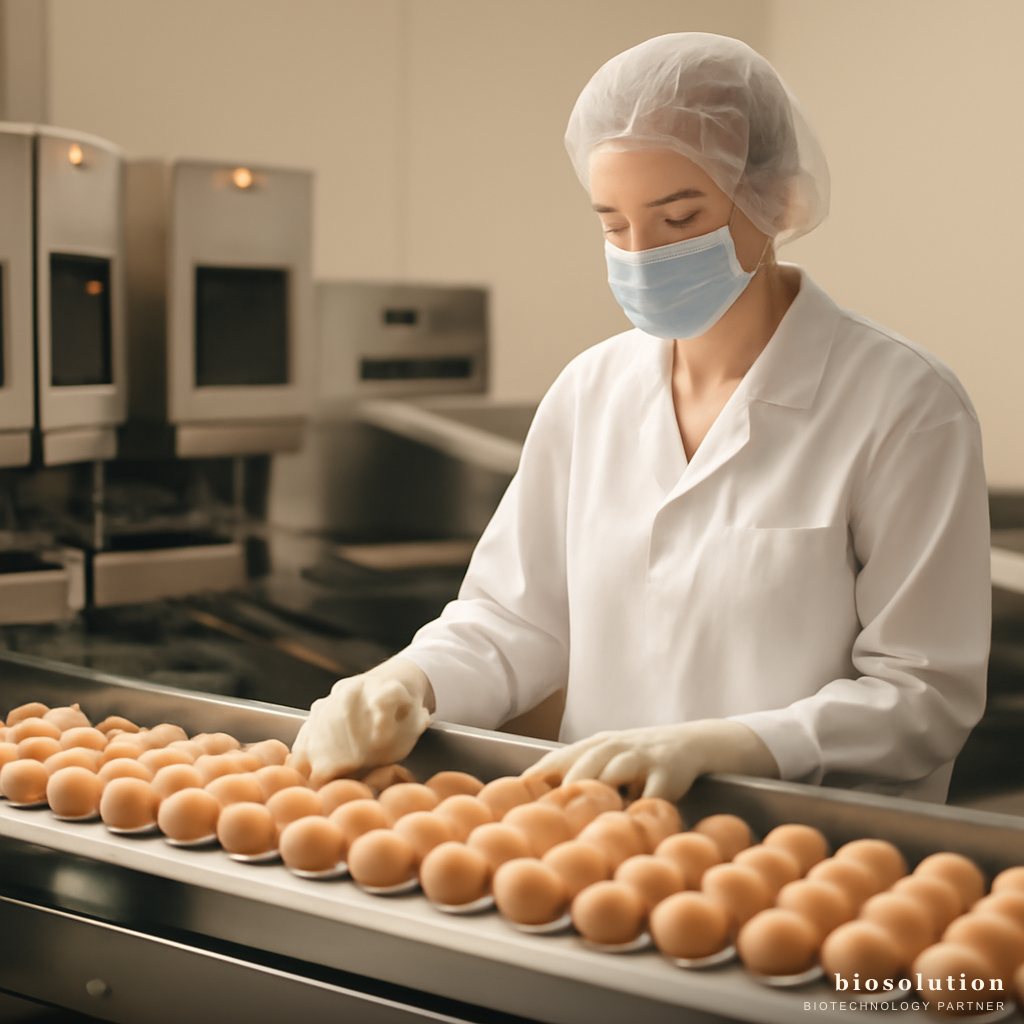
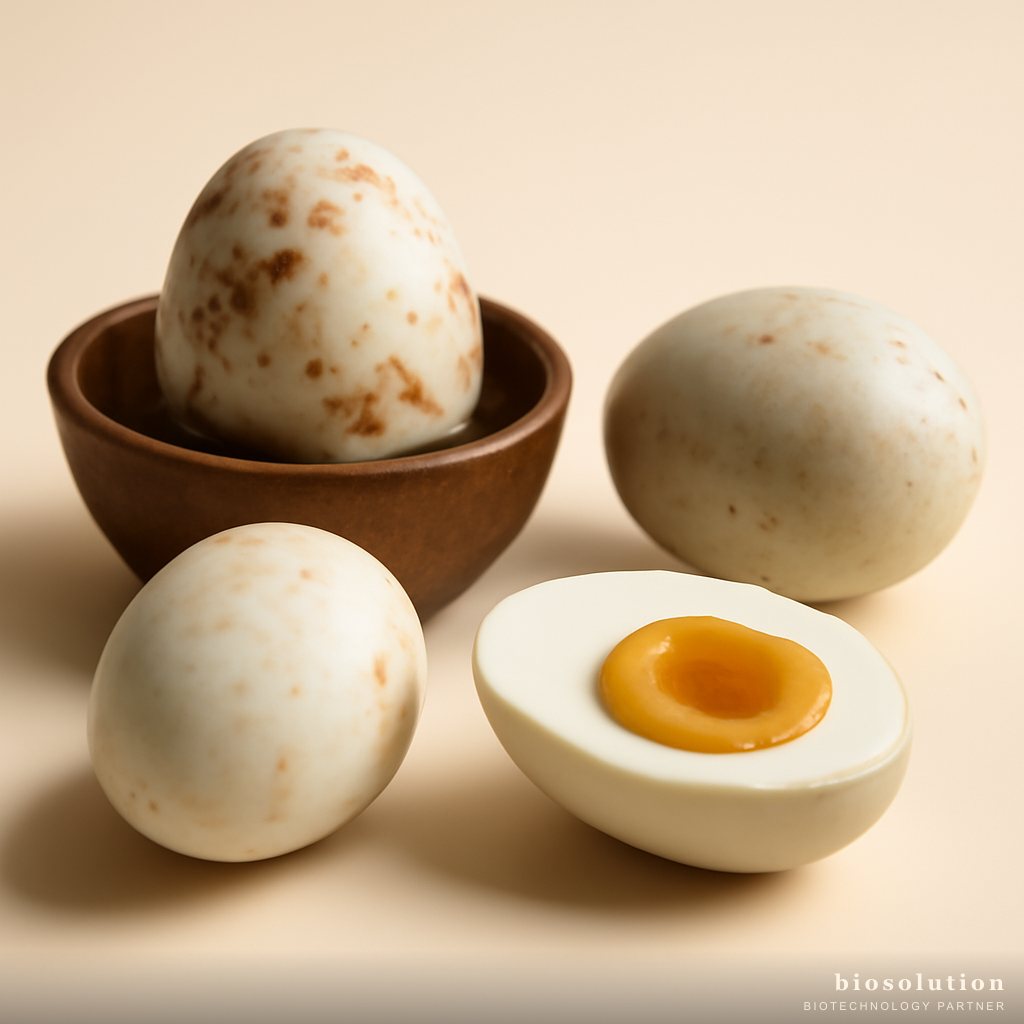
Thin and cracked eggshells in laying hens are a classic problem that harms farmers. Every cracked egg means lost income, not to mention the risk of bacterial contamination. However, in the modern farming era, natural probiotic-based solutions are here to address the root cause without relying on antibiotics. This article will thoroughly discuss the causes of thin shells, the role of gut microbiota in calcium absorption, and how Layer Chicken Probiotic Formula from Biosolution can be the answer for more productive and sustainable farming.
Why Are Eggshells Thin and Cracked?
Eggshells are formed from calcium carbonate secreted by the shell gland in the hen's reproductive tract. This process requires sufficient calcium supply from feed and optimal absorption in the gut. Several factors cause thin shells:
- Calcium or vitamin D3 deficiency: Unbalanced feed or calcium metabolism disorders.
- Heat stress: Overheated hens reduce feed intake and disrupt electrolyte balance.
- Hen age: Older hens have decreased calcium absorption efficiency.
- Gut microbiota imbalance: Diarrhea or dysbiosis hinders nutrient absorption, including calcium.
- Disease: Infections like Infectious Bronchitis (IB) or Egg Drop Syndrome (EDS) directly damage the shell gland.
FAO data shows that egg damage due to thin shells can reach 10-15% of total production in poorly managed farms. This number is certainly very significant for farmers' profits.
The Role of Probiotics in Improving Shell Quality
Probiotics are live microorganisms that provide health benefits to the host when administered in adequate amounts. In laying hens, probiotics work through several mechanisms:
- Improving calcium absorption: By balancing gut microbiota, probiotics increase the surface area of intestinal villi, making calcium absorption more efficient.
- Reducing inflammation: Chronic intestinal inflammation can disrupt mineral metabolism. Probiotics help alleviate inflammation.
- Increasing enzyme activity: Some probiotic strains produce phytase enzymes that help release bound calcium in feed.
- Suppressing pathogenic bacteria: By inhibiting Salmonella and E. coli, probiotics reduce the risk of infections that can disrupt shell production.
A study from Gadjah Mada University (2021) showed that probiotic administration in laying hens increased shell thickness by 8-12% compared to controls.
Layer Chicken Probiotic Formula: Composition and Mechanism of Action
Biosolution presents Layer Chicken Probiotic Formula specifically formulated to overcome thin shells and increase production. This product contains three superior bacterial strains:
Lactobacillus bulgaricus
This strain produces lactic acid that lowers gut pH, thereby inhibiting the growth of pathogenic bacteria like Salmonella that often cause digestive disorders. With a healthy gut, calcium absorption becomes optimal.
Lactobacillus acidophilus
L. acidophilus is known as a gut microbiota stabilizer. It adheres to the intestinal wall and forms a protective biofilm, preventing colonization by harmful bacteria. Additionally, this strain produces B-complex vitamins that support energy metabolism.
Bacillus coagulans
The advantage of B. coagulans is its ability to form spores resistant to heat and stomach acid. These spores germinate in the small intestine and release enzymes that aid feed degradation, particularly in releasing bound calcium. This is the key to increasing shell thickness.
These three strains work synergistically: L. bulgaricus and L. acidophilus maintain gut balance, while B. coagulans maximizes mineral absorption. The result is thicker and more uniform eggshells.
Proper Usage for Maximum Results
To obtain optimal benefits, probiotic application must be consistent. Here is the usage guide for Layer Chicken Probiotic Formula:
- Method: Mix into drinking water.
- Dosage: 1 ml per liter of water.
- Frequency: Every day during the production period.
- Time: Administer in the morning, when hens start actively drinking.
Ensure drinking water is clean and does not contain excess chlorine. If using a nipple drinker system, ensure no blockages. The probiotic solution should be consumed within 4-6 hours to keep bacteria alive.
Proven Results: Fewer Cracked Eggs, More Profit
Farmers who have used Layer Chicken Probiotic Formula report several significant improvements:
- Egg production increased by 3–5%: This is related to better gut health and optimal nutrient absorption.
- Thicker and more uniform shells: The percentage of cracked eggs drops drastically.
- Reduced cracked egg cases: Mechanical damage during handling decreases due to stronger shells.
- Maintained production persistence: Hens continue laying good quality eggs even as they age.
In a field study on a layer farm in East Java, probiotic administration for 8 weeks showed a reduction in cracked eggs from 8% to 3%, and an increase in average egg weight by 2 grams.
The Future of Antibiotic-Free Farming
The current global trend is to reduce antibiotic use in livestock to prevent antimicrobial resistance. Probiotics are a leading alternative because they are safe, leave no residues, and naturally increase productivity. The Indonesian government, through the Ministry of Agriculture, also encourages the use of natural feed additives like probiotics to support sustainable farming programs.
By adopting probiotics, farmers not only overcome thin shell problems but also contribute to healthier and more environmentally friendly food production. This is the future of modern farming: efficient, productive, and without dependence on antibiotics.
Conclusion
Thin and cracked eggshells in laying hens can be overcome with a holistic approach focusing on gut health. Probiotics, especially those containing Bacillus coagulans, have proven effective in improving calcium absorption and strengthening eggshells. Biosolution's Layer Chicken Probiotic Formula offers a practical and scientifically tested solution. Don't let losses from cracked eggs continue. Consult your farm's needs with Biosolution's expert team via WhatsApp for the right recommendations.
FAQ
Are probiotics safe for laying hens?
Yes, probiotics are very safe because they are beneficial natural microorganisms. Unlike antibiotics, probiotics do not leave residues in eggs and do not cause resistance. Biosolution products have undergone safety and efficacy tests.
How long after probiotic administration do eggshells start to improve?
Improvement is usually seen within 2-3 weeks of regular use. Changes in shell thickness can be measured visually and with a micrometer. For optimal results, give probiotics daily during the production period.
Can probiotics be combined with vaccination?
Yes, probiotics can be given together with vaccination. In fact, some studies show probiotics can enhance immune response to vaccines. However, ensure a minimum interval of 2 hours between probiotic and vaccine administration.
How should probiotics be stored to keep them active?
Store probiotics in a cool, dry place, away from direct sunlight. Ideal storage temperature is 4-8°C (refrigerator). Liquid products should be used within 30 days after opening.
Are there any side effects of probiotics?
Side effects are very rare. At the start of administration, hens may experience slight fecal adjustment due to gut microbiota changes, but it will normalize within a few days. If any abnormal symptoms occur, discontinue use and consult a veterinarian.