Layer Duck Probiotics: 3 Application Methods for Maximum Production
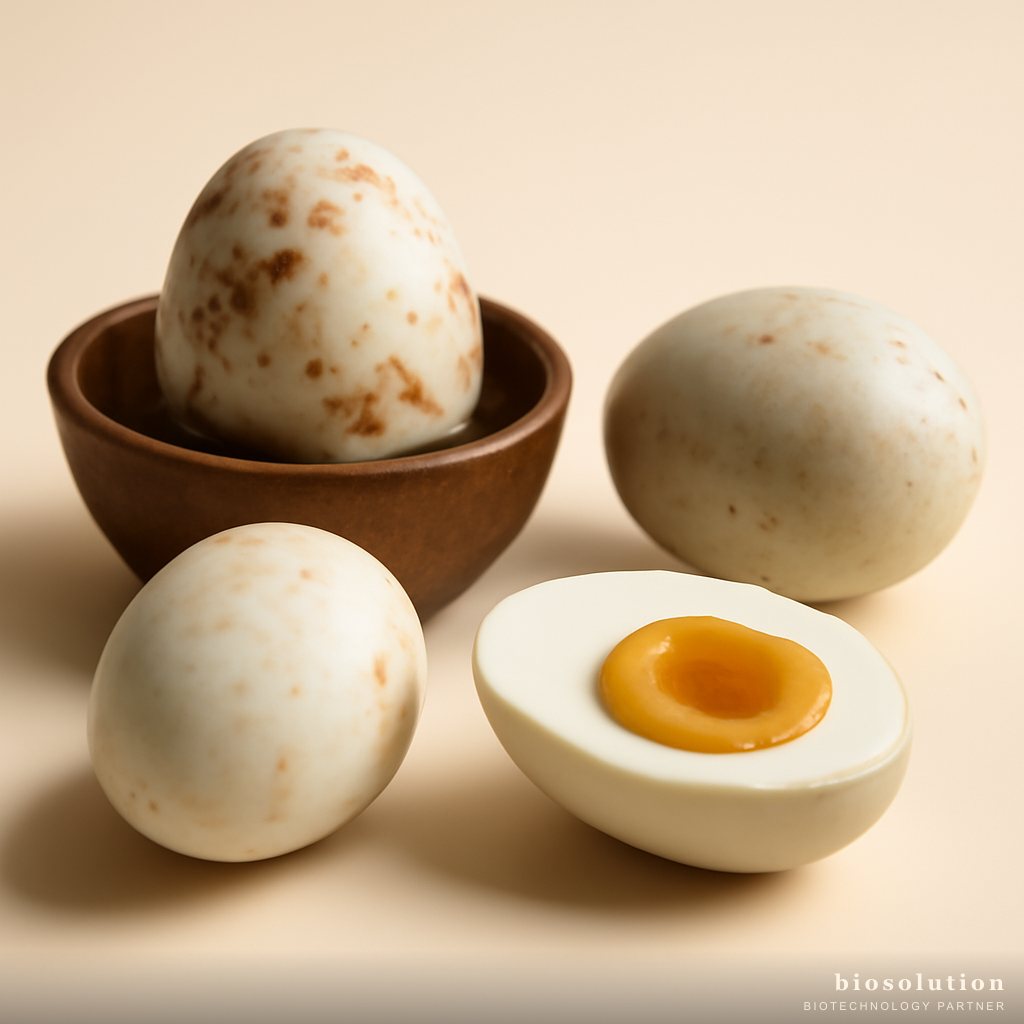
Layer duck probiotics are key for farmers in Brebes who rely on salted eggs as their flagship product. Stable production persistence and prime egg quality cannot be achieved with conventional feed alone. Biosolution's Layer Duck Probiotic Formula, containing Lactobacillus bulgaricus, Bifidobacterium sp., and Bacillus subtilis, offers a science-based solution to maintain duck digestive health and optimize nutrient absorption. This article thoroughly explores three application methods for layer duck probiotics—via drinking water, feed, or drench—so farmers can choose the most effective method according to their coop conditions.
Why Are Layer Duck Probiotics Important for Salted Egg Production?
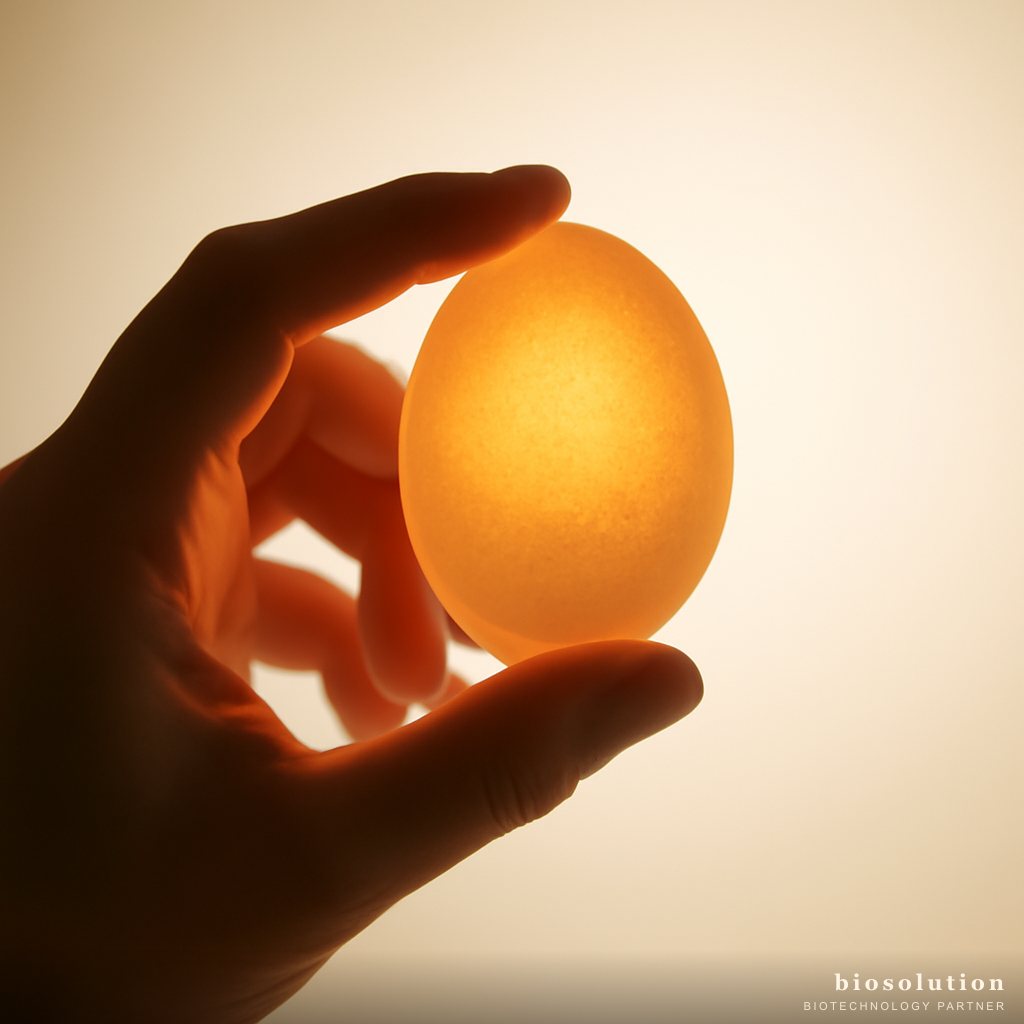
High-quality salted egg production requires microbiologically healthy layer ducks. An imbalanced duck digestive tract is susceptible to Salmonella and other pathogen infections, which can reduce egg production by up to 10% and cause egg defects. Layer duck probiotics work by modulating gut microbiota, increasing intestinal villi surface area, and stimulating digestive enzyme production. As a result, calcium, protein, and energy absorption are optimized, leading to thicker eggshells and sustained high production in the long term.
The Layer Duck Probiotic Formula contains three superior strains:
- Lactobacillus bulgaricus: produces lactic acid that suppresses the growth of Salmonella and gram-negative pathogens.
- Bifidobacterium sp.: stabilizes small and large intestine microbiota, reducing the risk of enteritis.
- Bacillus subtilis: produces protease, amylase, and cellulase enzymes that aid feed fiber digestion, and forms a protective biofilm on the intestinal surface.
These three strains work synergistically to improve feed efficiency (FCR) and production persistence. Field trial data show that regular probiotic administration can increase egg production by 4–6%, extend the peak production period, and reduce the percentage of cracked eggs by up to 15%.
Application Method via Drinking Water
This method is the most practical and widely recommended by Biosolution's technical team. The recommended dose is 1 ml of Layer Duck Probiotic Formula per liter of drinking water, given daily in the morning. Drinking water containing probiotics must be consumed by ducks within 4–6 hours to maintain bacterial viability. Therefore, it is best to give probiotic water after the previous clean water has been consumed or emptied.
Advantages of the drinking water method:
- Uniform distribution across the entire duck population.
- No need for additional feed mixing.
- Low risk of cross-contamination as probiotics directly enter the digestive tract.
Ensure drinkers are free from chlorine or disinfectant residues that can kill probiotics. If using a nipple system, ensure water pressure is not too high so probiotics do not settle in the pipes. For maximum results, combine with good coop hygiene management.
Application via Feed
The method of mixing probiotics into feed is suitable for farmers who have their own feed mixer. The same dose is used: 1 ml per kg of feed, equivalent to 1 liter of probiotic per ton of feed. Mix the probiotics gradually: first dilute with a little water (1:10) then spray onto the feed while stirring evenly. Let it sit for 15–30 minutes before feeding to allow the bacteria to adhere properly.
Advantages of the feed method:
- More stable because probiotics are protected by the feed matrix from UV light and oxidation.
- Suitable for ducks not accustomed to drinking much water.
- Can be combined with premixes or other supplements (avoid antibiotics).
Note that feed containing probiotics should not be heated above 40°C as it can reduce the viability of Lactobacillus and Bifidobacterium. Store mixed feed in a cool, dry place and use within 24 hours.
Application via Drench (Oral Gavage)
The drench method, or direct oral administration, is typically used for sick, stressed ducks, or during initial probiotic introduction. The dose per bird is 1 ml of pure probiotic (undiluted) given using a syringe without a needle or a special drenching tool. Administer in the morning before feeding so the probiotic reaches the intestines directly.
Advantages of the drench method:
- Precise dose per individual, suitable for ducks needing special attention.
- Faster effect as there is no delay in drinking water or feed.
- Ideal for ducks recovering from diarrhea or stress after vaccination.
However, this method is inefficient for large populations as it requires additional labor. It is recommended only for 5–10% of the population showing signs of digestive disorders or decreased production.
Comparison of Effectiveness of the Three Application Methods
| Method | Ease | Effectiveness | Labor Cost | Suitable for Population |
|---|---|---|---|---|
| Drinking water | Very easy | High (as long as water is consumed within 4-6 hours) | Low | Large |
| Feed | Moderate | High (more stable) | Moderate | Medium – Large |
| Drench | Difficult | Very high (precise dose) | High | Small (individual) |
Choosing a method depends on coop conditions, labor availability, and specific goals. For routine maintenance, the drinking water method is the best choice. If production is declining or there is a disease outbreak, combine with drench for affected ducks.
Tips for Successful Probiotic Application
- Consistency: Give probiotics daily without interruption. Optimal effects are seen after 2–3 weeks of regular use.
- Cleanliness: Ensure drinking water and feed equipment are free from chemicals like chlorine or disinfectants.
- Monitor Production: Record daily egg count, egg weight, and percentage of cracked eggs. Compare before and after probiotic use.
- Avoid Antibiotics: Do not give antibiotics simultaneously with probiotics as they can kill beneficial bacteria. If antibiotics are necessary, allow at least a 4-hour gap after probiotics.
- Store Properly: Store probiotics in a tightly sealed container at 4–8°C (refrigerator). Do not freeze. Avoid direct sunlight.
If you would like to discuss the most suitable application method for your coop, Biosolution's technical team is ready to assist through free consultation.
Conclusion
Biosolution's layer duck probiotics are a scientific solution to increase salted egg production persistence. Three application methods—drinking water, feed, and drench—provide flexibility for farmers to choose the most efficient way. With Lactobacillus bulgaricus, Bifidobacterium sp., and Bacillus subtilis, this probiotic not only increases egg production by 4–6% but also thickens eggshells and reduces egg defects. Start regular application today and feel the difference. For more information or product orders, contact us via WhatsApp or visit the product page Layer Duck Probiotic Formula.
FAQ
1. Is it safe to give layer duck probiotics every day? Yes, probiotics are safe to give daily because the bacteria contained are non-pathogenic microbes naturally present in the poultry digestive tract. The dose of 1 ml/liter of drinking water has been tested and causes no side effects. Regular administration is actually necessary to maintain gut microbiota balance and support production persistence.
2. How long does it take to see the effect of probiotics on egg production? Increased production usually starts to be seen after 2–3 weeks of regular use. In the first week, duck feces will be firmer and ammonia odor reduced. After that, egg numbers will increase by 4–6% and shells will be thicker. For maximum results, use probiotics for at least one production cycle (3–4 months).
3. Can probiotics be mixed with other medications or vitamins? Probiotics can be mixed with water-soluble vitamins, but avoid mixing with antibiotics or disinfectants. If ducks must be given antibiotics, allow at least a 4-hour gap after probiotics. For safety, consult with Biosolution's technical team before mixing other products.
4. Is the drench method more effective than drinking water? The drench method provides a precise dose per individual, making it more effective for sick or stressed ducks. However, for large populations, the drinking water method is more practical and efficient. Overall effectiveness remains high as long as drinking water is consumed within 4–6 hours.
5. How should probiotics be stored to keep them active? Store probiotics in a tightly sealed container in a refrigerator at 4–8°C. Do not freeze. Avoid direct sunlight and temperatures above 30°C. The product remains stable for up to 12 months if stored according to instructions. Once opened, use within 30 days.