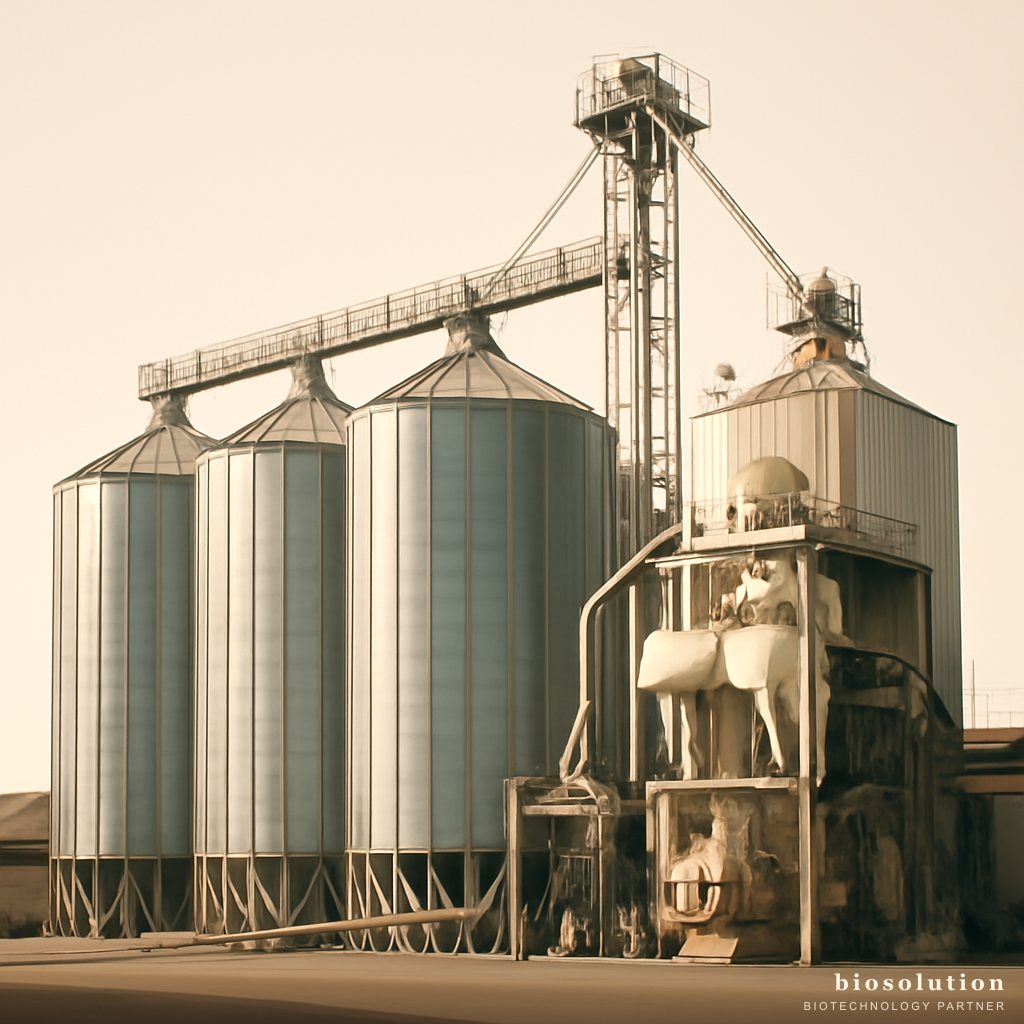
Multi-Feed Enzyme: Key to Feed Efficiency for Modern Feed Mills
In the livestock industry, feed costs can reach 60-70% of total production costs. Every percentage point of efficiency improvement directly impacts profitability. This is where multi-feed enzymes become crucial. Multi-functional enzymes containing cellulase, protease, and amylase break down hard-to-digest feed components, allowing better nutrient absorption and reducing waste. For B2B feed mills, understanding the mechanism and economic impact of these enzymes is a strategic step to stay competitive.
Why Do Feed Mills Need Multi-Functional Enzymes?
Livestock feed, especially those based on local raw materials like rice bran, palm kernel meal, or corn, contains crude fiber (cellulose), complex proteins, and starch that cannot be fully digested by the animals' natural enzymes. As a result, nutrients are wasted and feed costs increase. Multi-functional enzymes address this deficiency.
Key Components in Multi-Functional Enzymes
Biosolution's multi-feed enzyme formula contains Aspergillus oryzae, a mold known for producing various industrial enzymes. This mold produces:
- Cellulase: Breaks down cellulose into glucose, allowing crude fiber to be utilized by livestock.
- Protease: Breaks down complex proteins into peptides and amino acids, improving protein digestibility.
- Amylase: Hydrolyzes starch into simple sugars, a quick energy source.
- Lipase: Aids fat digestion, albeit in smaller amounts.
With this combination, feed that was previously only 60-70% digestible can increase to 85-90%, reducing feed residue and foul-smelling feces.
Economic Impact of Using Multi-Feed Enzymes
For feed mills, every kilogram of feed produced must deliver optimal value. Here are the measurable economic impacts:
Feed Efficiency Increases by 5-10%
Data from various studies show that adding multi-functional enzymes can improve feed efficiency (FCR) by 5-10%. This means less feed is needed to produce 1 kg of meat or eggs. On a tonnage scale, feed cost savings are significant.
Raw Material Flexibility
With multi-functional enzymes, feed mills can use more cheap alternative raw materials like rice bran, palm kernel meal, or coffee husks without worrying about reduced livestock performance. Enzymes break down fiber and anti-nutrients, making the nutritional value of these materials comparable to conventional ones.
Reduces Total Production Costs
The combination of feed efficiency and raw material flexibility directly impacts production costs. Feed mills applying multi-functional enzymes can reduce feed costs by 10-15%, ultimately increasing profit margins.
Case Study: Application in Broiler Chicken Farms
A trial on a broiler chicken farm in West Java used a multi-feed enzyme formula at a dose of 0.5 kg per ton of feed. Results:
- Final body weight increased by 8% compared to control.
- FCR decreased from 1.6 to 1.45.
- Mortality decreased due to improved digestive health.
This data shows that multi-functional enzymes are not just additives but an investment that provides real returns.
Mechanism of Multi-Functional Enzymes in Livestock Digestion
Enzymes work synergistically in the digestive tract. Cellulase breaks down plant cell walls, releasing trapped nutrients. Protease and amylase then digest proteins and starch. As a result, nutrients are more easily absorbed in the small intestine. Additionally, enzymes reduce digesta viscosity, allowing feed to pass through the digestive tract faster and reducing the risk of pathogenic fermentation.
Proper Dosage and Application
For optimal results, the recommended dosage is 0.5–1 kg per ton of feed, mixed during the mixing process. Ensure even distribution so that each feed particle contains enzymes. Use with every feed production batch. There is no need to worry about enzyme stability as the formula is designed to withstand pelleting heat.
Why Choose Biosolution's Multi-Feed Enzyme Formula?
This product is specifically developed for the needs of Indonesian feed mills. With superior Aspergillus oryzae strains, the enzymes produced have high activity at the pH of livestock digestive tracts. Other advantages:
- Safe for all livestock species (poultry, pigs, ruminants).
- Leaves no residue.
- Practical packaging and easy to apply.
Conclusion
Multi-feed enzymes are a strategic solution for feed mills aiming to improve efficiency and profitability. By breaking down cellulose, protein, and starch, these enzymes not only improve feed digestibility but also enable the use of cheaper alternative raw materials. The economic impact is clear: lower feed costs, better livestock performance, and wider business margins.
Interested in trying? Consult your feed mill needs with Biosolution's technical team via WhatsApp. Get dosage and application recommendations tailored to your feed formulation. Contact us now for more information.
Also read related articles: Feed Efficiency Strategy with Probiotics and Alternative Feed Solutions for Feed Mills.