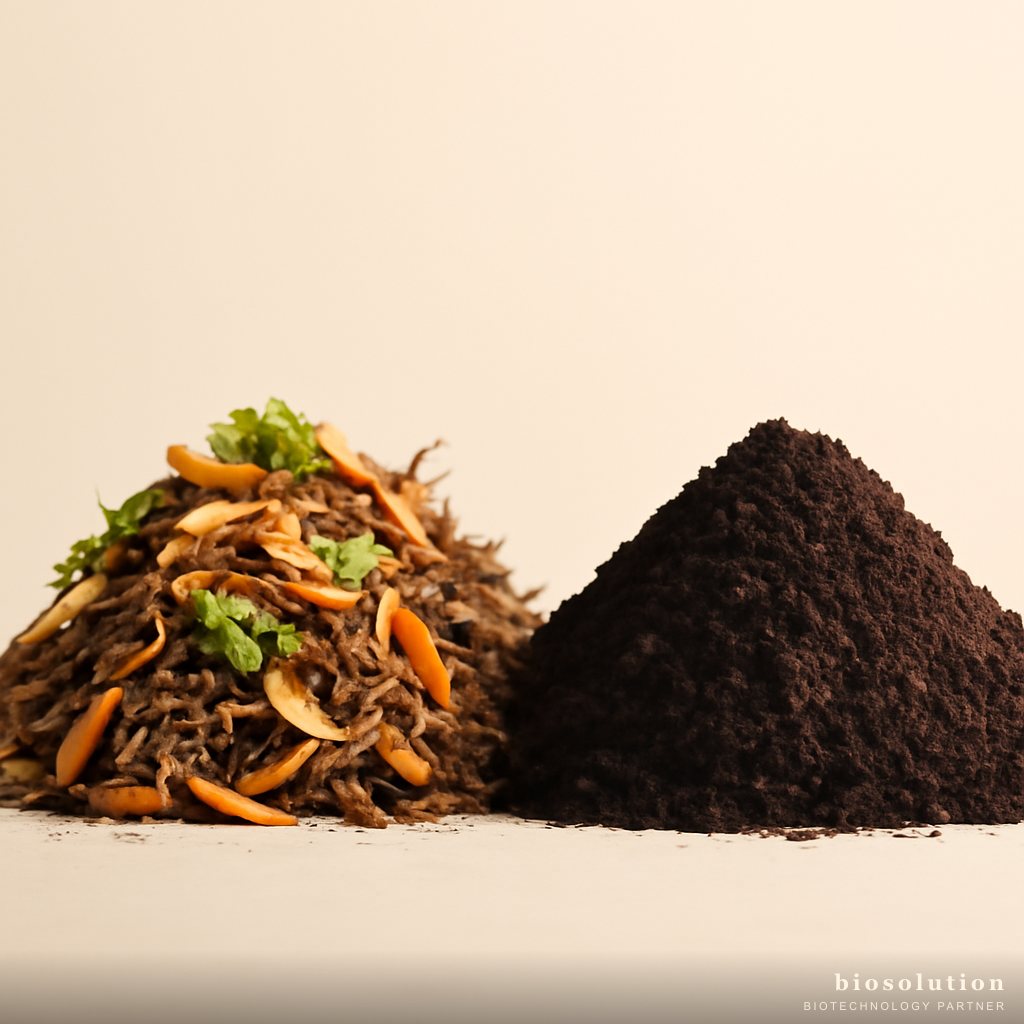
Overcoming Acidic Agricultural Soil with Superior Microbes
Acidic agricultural soil is a scourge for land productivity in Indonesia, especially in tropical regions with high rainfall. Low soil pH (below 5.5) causes phosphorus fixation, aluminum toxicity, and disruption of macro- and micronutrient availability. However, microbial strategies to improve acidic tropical agricultural soil are now an effective and environmentally friendly solution. Biofertilizers based on superior microbes can improve soil structure, increase nutrient availability, and restore soil ecosystem balance. This article will discuss criteria for selecting the best biofertilizer, microbial mechanisms, and recommendations for superior products from Biosolution.
Why is Acidic Soil a Problem in Tropical Agriculture?
Acidic soils (Ultisols, Oxisols, Spodosols) cover more than 45% of agricultural land in Indonesia. High rainfall causes leaching of bases (Ca, Mg, K) and accumulation of H+ and Al3+ ions. The impacts include:
- Phosphorus fixation: Phosphorus is bound by Al and Fe, unavailable to plants.
- Al toxicity: Inhibits root growth, reduces nutrient and water uptake.
- Nutrient limitations: Low availability of N, P, K, Ca, Mg, Mo; excess Mn and Fe.
- Low microbial activity: Populations of N-fixing bacteria, phosphate solubilizers, and decomposers decline.
As a result, productivity of food crops such as rice, corn, soybeans, and vegetables is severely limited. Farmers often rely on dolomite lime and chemical fertilizers, but high costs and long-term side effects are obstacles. Therefore, a biological approach using superior microbes is the right choice.
Criteria for the Best Biofertilizer for Acidic Soil
Not all biofertilizers are suitable for acidic soil. Here are criteria to consider:
1. Tolerance to Low pH
Microbial strains in the biofertilizer must be able to survive and be active at pH 4.5–5.5. Microbes such as Azotobacter sp. and Azospirillum sp. isolated from acidic soils are generally tolerant to acidic conditions.
2. Phosphate Solubilizing Ability
Phosphorus is the most limited nutrient in acidic soils. Phosphate-solubilizing microbes like Bacillus megaterium produce organic acids (citric, gluconic, lactic) that release P bound to Al/Fe.
3. Exopolysaccharide (EPS) Production
EPS helps aggregate soil particles, improves soil structure and porosity, and increases water holding capacity. Azotobacter sp. is known as a superior EPS producer.
4. Nitrogen Fixation Ability
N-fixing bacteria such as Azotobacter and Azospirillum can provide N to plants, reducing the need for urea fertilizer.
5. Compatibility with Organic Matter
Biofertilizers will be more effective when combined with organic fertilizers (compost, manure) that provide substrate for microbes.
6. Certification and Quality Assurance
Products must be registered with the Ministry of Agriculture (biofertilizer certificate) and have clear labels regarding strain type, cell count, and expiration date.
Microbial Mechanisms in Improving Acidic Soil
Microbial strategies to improve acidic tropical agricultural soil involve several synergistic mechanisms:
1. Phosphate and Potassium Solubilization
Bacillus megaterium produces phosphatase enzymes and organic acids that convert unavailable P into available forms (HPO4²⁻, H2PO4⁻). Similarly, potassium fixed in soil minerals can be released.
2. Non-Symbiotic Nitrogen Fixation
Azotobacter sp. and Azospirillum sp. fix N₂ from the air and convert it into ammonia usable by plants. In acidic soils, this activity is crucial because N is easily lost through leaching.
3. Production of Plant Growth Regulators (PGRs)
Azospirillum produces auxins (IAA), gibberellins, and cytokinins that stimulate root growth, enhancing nutrient and water uptake.
4. Soil Structure Improvement through EPS
Azotobacter produces EPS that acts as a glue for soil particles, forming stable aggregates, improving porosity and aeration. The soil becomes looser, drainage improves, and erosion risk decreases.
5. Increased Cation Exchange Capacity (CEC)
Microbes increase soil CEC through the production of humic acids and other organic compounds, thereby increasing the availability of cations (Ca, Mg, K).
6. Heavy Metal Bioremediation
Some microbes can bind excess Al and Fe, reducing toxicity to plants.
Superior Product: Soil Structure Improvement Formula from Biosolution
One product specifically designed to address acidic soil is the Soil Structure Improvement Formula from Biosolution. This product contains three superior microbial strains:
- Azotobacter sp.: N₂ fixer and EPS producer that improves soil structure.
- Azospirillum sp.: N₂ fixer and root growth stimulant.
- Bacillus megaterium: Phosphate and potassium solubilizer.
The combination works synergistically to address the main problems of acidic soil: N, P, K deficiencies and poor soil structure.
Application Method
The product is applied by drenching or soil spraying during tillage. Dosage: 10 ml per liter of water, frequency every 30 days for 3 times per season. The best time is early rainy season or after soil tillage.
Main Benefits
- Improves soil structure and porosity
- Increases water holding capacity
- Improves CEC and nutrient availability
- Increases productivity of marginal land
With regular use, previously critical acidic soil can recover and become productive. For more information, visit Soil Structure Improvement Formula or contact our team via WhatsApp.
Case Study: Effectiveness of Microbes on Marginal Land
Research in Lampung (Ultisol) showed that application of Azotobacter + Bacillus megaterium on corn increased yield by 30% compared to control, with soil pH improvement from 4.8 to 5.3 after one season. Meanwhile, use of Azospirillum on upland rice in South Kalimantan increased grain weight by 25% and reduced N fertilizer requirement by up to 40%.
Data from the Ministry of Agriculture (2023) indicates that dry acidic land in Indonesia reaches 148 million hectares, but only 10% is managed with biological amelioration techniques. The potential for increased production is enormous if farmers adopt biofertilizers.
Conclusion
Overcoming acidic agricultural soil does not only rely on lime and chemical fertilizers. Microbial strategies to improve acidic tropical agricultural soil offer a sustainable solution that improves soil structure, increases nutrient availability, and reduces dependence on chemical inputs. The key to success is choosing a biofertilizer with microbial strains that are acid-tolerant, have P solubilization, N fixation, and EPS production capabilities. Products like the Soil Structure Improvement Formula from Biosolution are the right choice because they contain Azotobacter sp., Azospirillum sp., and Bacillus megaterium which have proven effective. Immediately consult your land conditions via WhatsApp to get appropriate recommendations.
FAQ
1. Can biofertilizer be used together with dolomite lime?
Yes, both can be combined. Dolomite lime gradually raises pH, while microbes work to improve structure and nutrient availability. It is recommended to apply lime 2–4 weeks before biofertilizer so that pH is not too extreme for the microbes.
2. How long does it take to see improvement in acidic soil?
Improvement in soil structure and increased microbial activity can be seen after 1–2 growing seasons. However, significant pH change requires regular application for 2–3 consecutive seasons.
3. Is this product safe for plants and the environment?
Very safe. The microbes used are natural non-pathogenic strains, leaving no harmful residues. Biofertilizers actually reduce pollution from excessive chemical fertilizers.
4. How should biofertilizer be stored to keep microbes alive?
Store in a cool, dry place (temperature 15–25°C), avoid direct sunlight. Do not freeze. Use before the expiration date stated on the packaging.
5. Is this product suitable for all types of plants?
Yes, this product can be used on food crops (rice, corn, soybeans), horticulture (chili, tomatoes, vegetables), and plantations (oil palm, rubber). Dosage and frequency are adjusted according to plant type and land conditions.