Overcoming Vibriosis in Vannamei Shrimp Ponds with Aquaculture Probiotics
Vibriosis in vannamei shrimp ponds is one of the most detrimental bacterial diseases in intensive vannamei shrimp farming. Caused by bacteria of the genus Vibrio, this disease can lead to mass mortality in a short time, threatening the productivity and sustainability of pond operations. However, with proper health management approaches, particularly through the use of aquaculture probiotics, vibriosis can be effectively controlled. This article thoroughly examines vibriosis, the mechanisms of probiotics in suppressing Vibrio, and recommendations for superior products from Biosolution for emergency treatment.
Understanding Vibriosis in Vannamei Shrimp
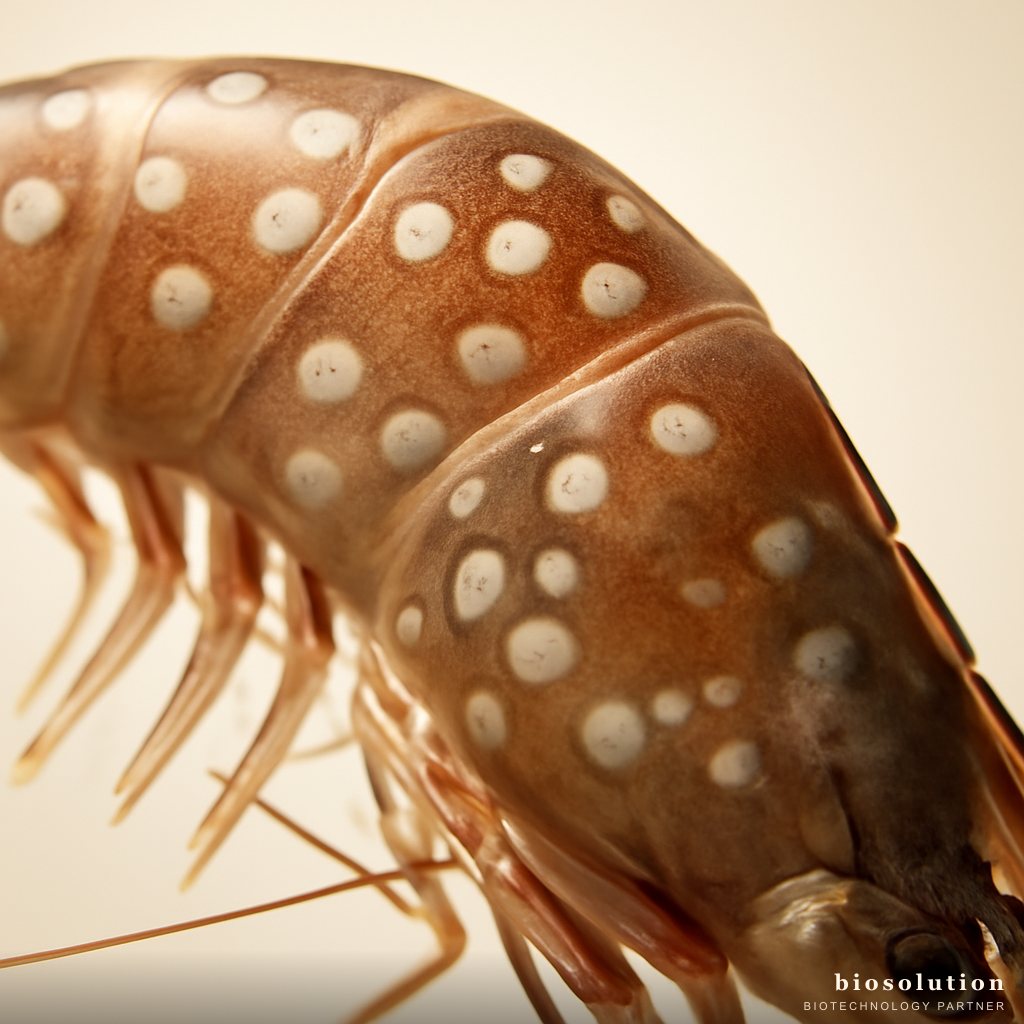
Vibriosis is a bacterial infection caused by Vibrio species such as Vibrio harveyi, Vibrio parahaemolyticus, and Vibrio alginolyticus. These bacteria are opportunistic, meaning they can become pathogenic when pond environmental conditions are suboptimal, for example during high temperatures, fluctuating salinity, or excessive organic matter levels. Infected vannamei shrimp show symptoms such as abnormal swimming, reddish body, necrosis on swimming legs, and pale hepatopancreas. In acute cases, mortality can reach 100% within 3-5 days.
Triggering Factors for Vibriosis
Several factors increase the risk of vibriosis, including:
- Poor water quality: high levels of ammonia, nitrite, and BOD (Biological Oxygen Demand) trigger Vibrio growth.
- Stress in shrimp: high stocking density, rough handling, or sudden environmental changes.
- Excess feed availability: leftover feed becomes a substrate for bacteria.
- Lack of competitor bacteria: Vibrio dominance occurs when beneficial bacteria such as Bacillus are low.
Strategies for Controlling Vibriosis with Probiotics
Aquaculture probiotics are live microorganisms that provide health benefits to the host through various mechanisms. In the context of vibriosis, probiotics work through:
1. Competitive Exclusion
Probiotics such as Bacillus subtilis and Bacillus licheniformis compete with Vibrio for nutrients and space. By dominating the environment, probiotics inhibit Vibrio colonization in the shrimp's digestive tract and body surface.
2. Production of Antibacterial Compounds
Bacillus spp. produce various antimicrobial compounds such as bacteriocins, lytic enzymes, and organic acids that can directly kill Vibrio. Bacillus subtilis is particularly known for producing subtilisin and surfactin, which are effective against Gram-negative bacteria.
3. Stimulation of Shrimp Immunity
Probiotics can modulate the non-specific immune response of shrimp, increasing phagocytosis activity, production of antioxidant enzymes, and expression of related immune genes. Shrimp given probiotics have better resistance to Vibrio infection.
4. Improvement of Water Quality
Some Bacillus strains can degrade organic matter, reduce ammonia and nitrite, and stabilize pH. A cleaner environment reduces stress on shrimp and inhibits Vibrio growth.
Anti-Vibrio Pond Formula: Emergency Solution for Intensive Ponds
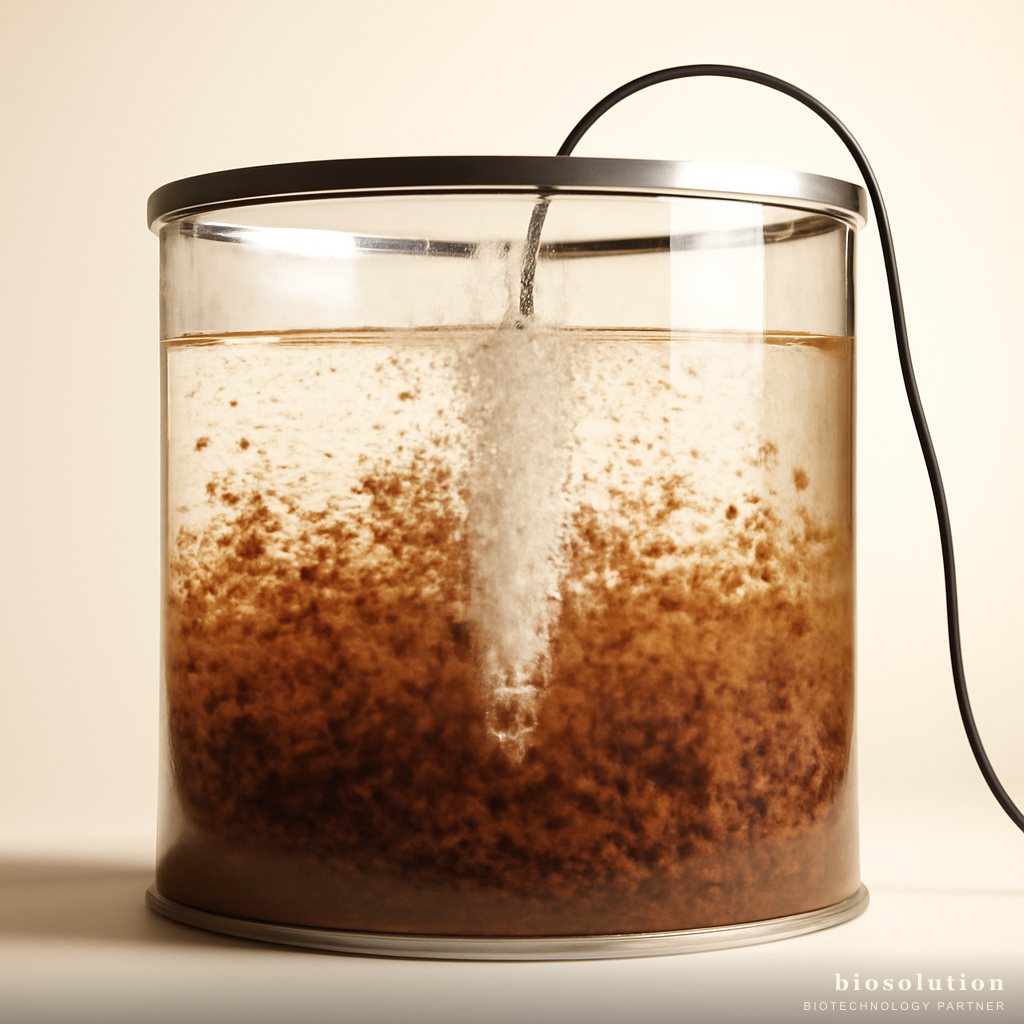
Biosolution presents the Anti-Vibrio Pond Formula for Vannamei Shrimp (Emergency), specifically designed for rapid treatment when vibriosis has been detected. This product contains two high-concentration Bacillus strains:
- Bacillus subtilis (10x): A superior strain with strong anti-Vibrio capability, producing large amounts of enzymes and antibacterial compounds.
- Bacillus licheniformis: A producer of protease, amylase, and lipase enzymes that help degrade organic matter, while also producing natural antibiotics.
Application Method
- Dosage: 10 liters per hectare for shock treatment.
- Method: Directly spread over the pond in the morning.
- Frequency: Single application; repeat after 48 hours if conditions have not improved.
Product Advantages
- Rapid Vibrio knockdown: High bacterial concentration accelerates suppression of Vibrio population.
- Prevents mass mortality: By suppressing Vibrio within 24-48 hours, shrimp deaths can be minimized.
- Fast recovery: After application, water quality and shrimp condition recover more quickly.
- Premium emergency grade: Formulated for emergency situations with maximum effectiveness.
Case Study: Handling Vibriosis in Intensive Ponds
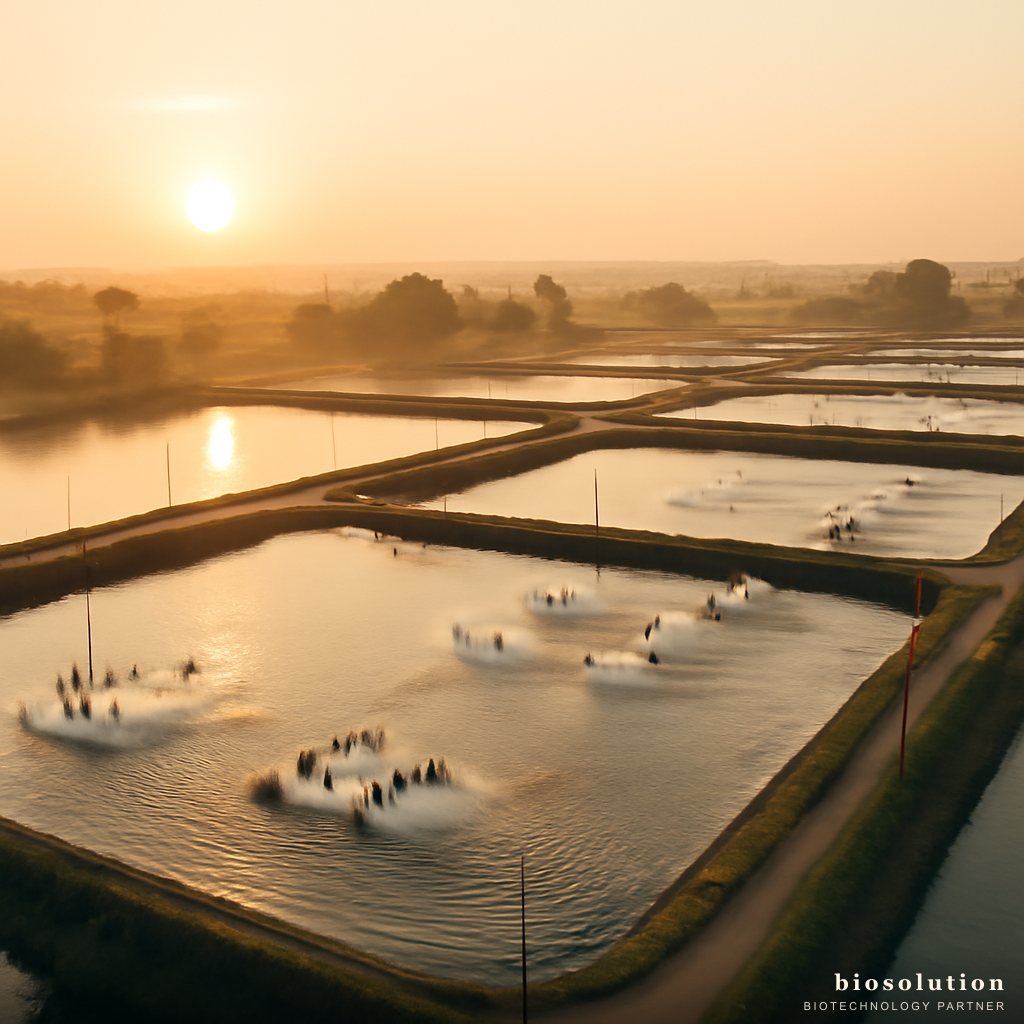
As an illustration, an intensive vannamei pond in East Java experienced a daily mortality increase of up to 5% due to Vibrio harveyi. After applying the Anti-Vibrio Pond Formula at 10 L/ha, the Vibrio population dropped drastically within 48 hours, and mortality decreased to <1%. Water quality parameters such as ammonia and nitrite also improved due to the activity of Bacillus licheniformis.
Recommendations for Vibriosis Prevention
In addition to emergency treatment, vibriosis prevention should be carried out routinely by:
- Regular use of maintenance probiotics such as Vannamei Shrimp Pond Probiotic Formula periodically.
- Proper feed management to reduce leftover feed.
- Daily water quality monitoring.
- Quarantining new shrimp before introducing them to the pond.
For more detailed information about aquaculture probiotic products, visit our aquaculture solutions page.
Conclusion
Vibriosis in vannamei shrimp ponds is a serious threat but can be controlled with the proper use of probiotics. Biosolution's Anti-Vibrio Pond Formula offers an effective emergency solution thanks to its high concentrations of Bacillus subtilis and Bacillus licheniformis. With rapid application, mortality can be suppressed and the pond can return to productivity. For optimal results, combine with a routine maintenance probiotic program. Consult with Biosolution's technical team via WhatsApp for further recommendations.
FAQ
What is the main cause of vibriosis in vannamei shrimp?
Vibriosis is caused by Vibrio spp. bacteria, especially Vibrio harveyi, Vibrio parahaemolyticus, and Vibrio alginolyticus. These bacteria become pathogenic when pond environmental conditions are poor, such as high organic matter levels, extreme temperatures, or unstable salinity. Stress in shrimp due to high stocking density also triggers infection.
How can vibriosis be distinguished from other diseases?
Typical symptoms of vibriosis include reddish body, necrosis on swimming legs, pale hepatopancreas, and abnormal swimming. For a definitive diagnosis, laboratory tests such as bacterial culture or PCR are needed. Farmers can send shrimp and water samples to a nearby laboratory.
How long does it take for the Anti-Vibrio Pond Formula to work?
This product is designed to provide a knockdown effect within 24-48 hours after application. The Vibrio population will decrease drastically, and shrimp mortality will begin to reduce. If no improvement is seen after 48 hours, reapplication is recommended.
Are probiotics safe for shrimp and the environment?
Yes, the probiotics used in the Anti-Vibrio Pond Formula are natural, non-pathogenic bacteria. Bacillus subtilis and Bacillus licheniformis have been widely used in aquaculture and proven safe. This product leaves no harmful residues and is environmentally friendly.
Can this product be used together with antibiotics?
It is best to avoid concurrent use with antibiotics as it may reduce probiotic effectiveness. If antibiotics are necessary, allow a minimum 48-hour gap after probiotic application. Consult an expert for handling specific cases.