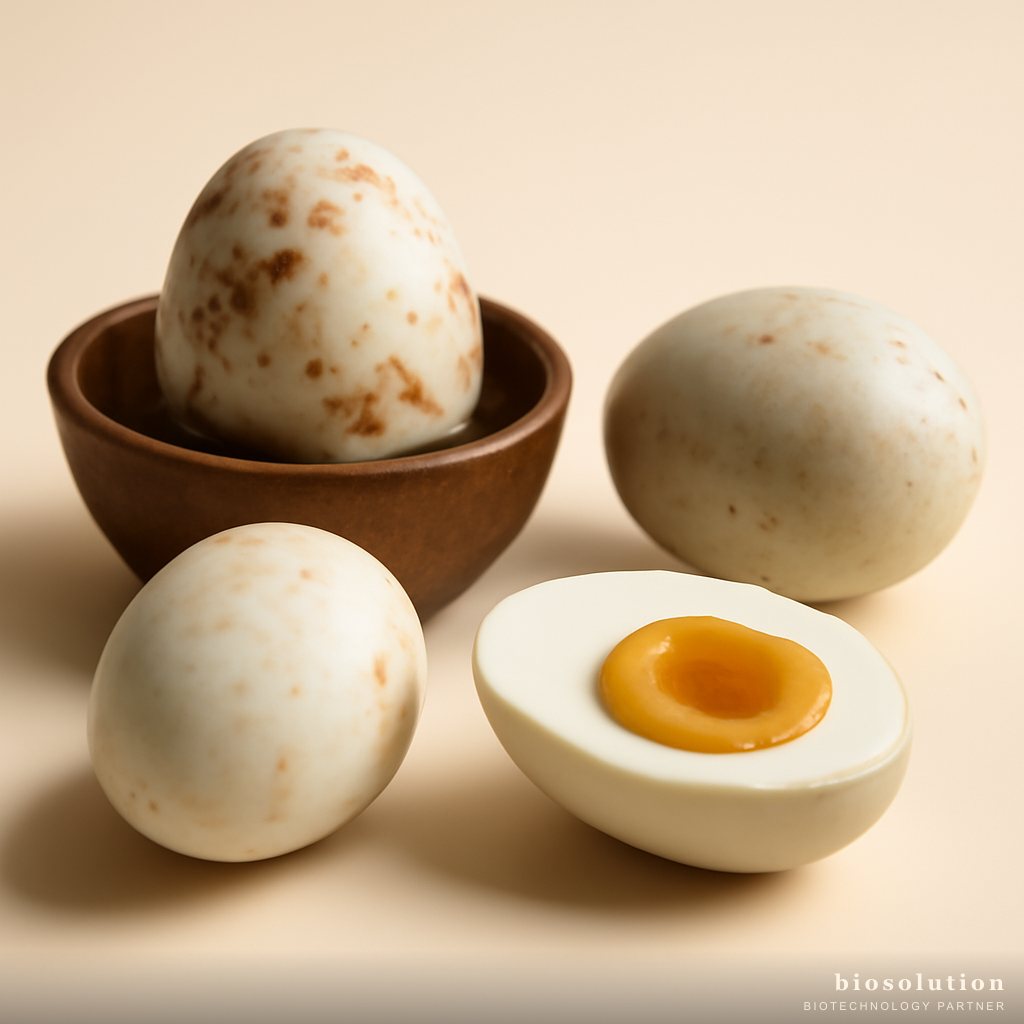
Probiotics for Laying Ducks: Key to Consistent Salted Egg Production
Laying duck farmers in Brebes know well that quality salted egg production depends not only on feed but also on the health of the ducks' digestive tract. This is where probiotics for laying ducks play a crucial role. By utilizing beneficial bacteria such as Lactobacillus bulgaricus, Bifidobacterium sp., and Bacillus subtilis, probiotics maintain gut microbiota balance, improve nutrient absorption, and strengthen immunity. The result? More consistent egg production, thicker shells, and longer production persistence. However, not all probiotics are created equal. This article will discuss the criteria for strains and certifications to ensure your probiotic investment delivers optimal results.
Why Probiotics for Laying Ducks Are Important for Production Persistence?
Production persistence is the ability of ducks to maintain a stable egg production rate over a long period. Without proper gut health management, ducks are prone to production declines due to stress, infections, or digestive disorders. Probiotics work through three main mechanisms:
- Competitive exclusion – probiotic bacteria compete with pathogens like Salmonella for attachment sites on the intestinal wall, preventing infection.
- Production of antimicrobial compounds – Lactobacillus bulgaricus produces lactic acid, lowering gut pH and inhibiting the growth of harmful bacteria.
- Immune stimulation – Bacillus subtilis triggers local immune responses, increasing antibody production and disease resistance.
Research shows that adding probiotics to laying ducks can increase egg production by 4–6% and extend the peak production period by several weeks. This means more quality salted eggs can be supplied to the market.
Criteria for Superior Probiotic Strains for Laying Ducks
Not all bacterial strains are suitable for waterfowl like ducks. Here are the criteria that must be met:
1. Ability to Adhere to Duck Intestinal Mucosa
Strains must be able to colonize the relatively short digestive tract of ducks. Lactobacillus bulgaricus and Bifidobacterium sp. are known to have high affinity for poultry intestinal epithelium.
2. Production of Digestive Enzymes
Bacillus subtilis produces protease, amylase, and lipase that help digest feed more efficiently. This is important because ducks are often fed high-fiber feed.
3. Tolerance to Temperature and pH
Probiotics must withstand gut environmental conditions (low pH in the proventriculus) and duck body temperature. Strains specifically formulated for poultry are usually tested for tolerance.
4. Specific Anti-Pathogen Effects
For laying ducks, protection against Salmonella and E. coli is crucial as they can affect egg quality. Lactobacillus bulgaricus in Probiotic Formula for Laying Ducks has been proven to inhibit Salmonella growth in vitro.
Certifications Ensuring Probiotic Quality
Farmers must be selective in choosing probiotics that are registered and have official certifications. In Indonesia, probiotics for animal feed must meet standards from the Ministry of Agriculture. Some certifications to consider:
- Feed Safety Certification – Ensures probiotics are free from harmful contaminants.
- Stability Test – Probiotics must remain stable during storage and not lose viability when mixed with drinking water.
- Marketing Authorization – Probiotic products must have a valid registration number.
Biosolution products have passed stability and safety tests, making them safe for daily use. Ensure the probiotics you buy have clear labels and transparent strain information.
Proper Probiotic Application for Maximum Results
To achieve production persistence, probiotic application must be consistent. Here is a practical guide:
Dosage and Frequency
- Dosage: 1 ml per liter of drinking water.
- Frequency: Daily, preferably given in the morning when ducks are actively drinking.
Administration Method
Mix probiotics into clean drinking water. Avoid using water with high chlorine content as it can kill probiotic bacteria. Allow ducks to drink ad libitum.
Duration of Use
For optimal results, administer probiotics continuously during the production period. For ducks recovering from stress or illness, the dosage can be increased as per veterinary advice.
Case Study: Production Increase in a Brebes Farm
A laying duck farm in Brebes with 500 ducks applied probiotics for 3 months. Results:
- Egg production increased from 70% to 76% (6% increase).
- Number of cracked eggs decreased by 40%.
- Peak production period extended by 2 weeks.
The farmer reported that ducks were more active, appetite stable, and feces firmer. This proves that probiotics not only improve quantity but also egg quality, especially for salted eggs requiring thick shells.
Conclusion
Probiotics for laying ducks are a smart investment to maintain consistent salted egg production. By choosing superior strains like Lactobacillus bulgaricus, Bifidobacterium sp., and Bacillus subtilis, and ensuring certified products, farmers can experience a 4–6% production increase, thicker shells, and reduced defective eggs. Do not hesitate to consult with the Biosolution team for probiotic recommendations tailored to your farm conditions. Or check out our flagship product: Probiotic Formula for Laying Ducks.
FAQ
1. Are probiotics for laying ducks safe for human consumption through eggs?
Yes, probiotics used in ducks do not remain in the eggs. Probiotic bacteria work in the digestive tract and do not accumulate in tissues. Eggs remain safe to consume, and their quality is even better due to thicker shells.
2. How long does it take to see the effect of probiotics on egg production?
Generally, production increases become noticeable after 2–3 weeks of regular use. However, improvements in egg quality such as thicker shells can be observed sooner, around 1–2 weeks.
3. Can probiotics be mixed with other medications or vitamins?
It is best to administer probiotics separately from antimicrobial drugs as they may reduce effectiveness. For vitamins, mixing is generally safe, but consult an expert for optimal results.
4. Does the probiotic dosage need to be adjusted based on the number of ducks?
The recommended dosage is 1 ml per liter of drinking water, regardless of the number of ducks. Ensure drinking water is always available and changed daily to maintain probiotic viability.
5. Can probiotics be used for ducks under stress?
Highly recommended. Probiotics help stabilize gut microbiota disrupted by stress, allowing ducks to recover quickly and maintain production.