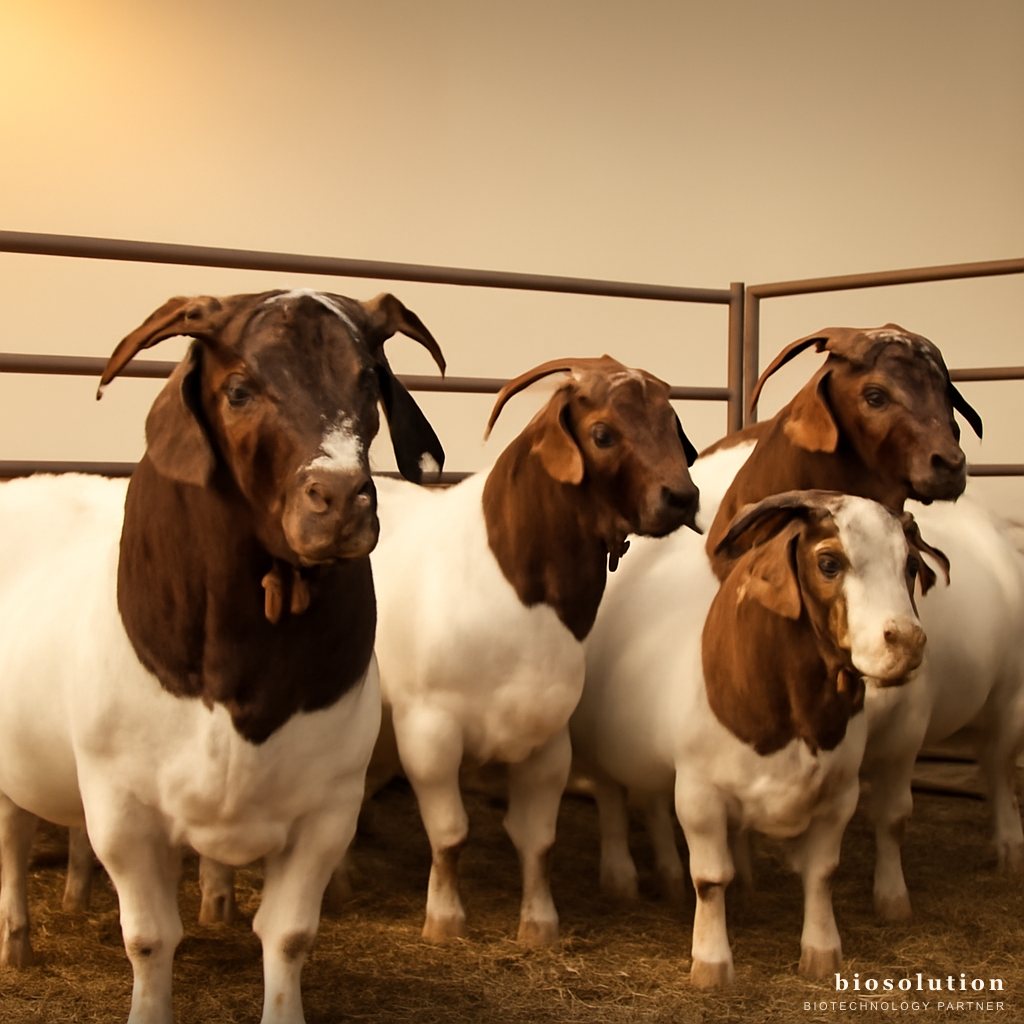
Qurban Goat Probiotic: Administration Schedule per Rearing Phase
Fattening goats for qurban and aqiqah requires proper feed and health management. One key to success is the scheduled administration of qurban goat probiotics according to the rearing phase. By understanding when and how to give probiotics, farmers can maximize average daily gain (ADG), improve feed conversion ratio (FCR), and produce quality carcasses for qurban worship. This article presents a practical probiotic administration schedule based on rearing phases, from adaptation to pre-slaughter.
Why Probiotics Are Important for Qurban Goats?
Probiotics are live microorganisms that provide health benefits to livestock. In goats, probiotics help balance rumen and intestinal microflora, optimizing nutrient absorption. The Goat Probiotic Formula product from Biosolution contains three superior strains: Lactobacillus acidophilus as the main probiotic, Bacillus subtilis producing enzymes and biocontrol, and Bacillus megaterium aiding mineral solubilization. This combination has been proven to increase ADG by 12–18% and improve FCR by 6–10% in Kacang and Boer goats. Additionally, probiotics reduce the risk of digestive diseases such as diarrhea and bloat, which are common during feed changes.
Phase 1: Adaptation (Day 1–7)
The adaptation phase is a critical period when goats first arrive at the fattening pen. Transport stress and feed changes can decrease appetite and disrupt rumen microbial balance. Therefore, probiotic administration should start from day one.
Administration Schedule
- Dose: 10 ml per head per day
- Method: Direct drench using a syringe without needle, or mix into concentrate
- Time: Morning before main feeding
- Frequency: Every day for 7 days
In this phase, the main target is to stabilize the population of beneficial bacteria in the digestive tract. Lactobacillus acidophilus will produce lactic acid that inhibits pathogens, while Bacillus subtilis produces protease and amylase enzymes to aid protein and carbohydrate digestion. Farmers must also ensure the availability of clean water and quality forage.
Phase 2: Early Fattening (Day 8–30)
After adaptation, goats enter the early fattening phase. During this period, body weight gain begins to show significantly. Probiotic administration continues daily with the same dose, but can be increased if necessary.
Administration Schedule
- Dose: 10 ml per head per day (consistent)
- Method: Preferably mixed into concentrate for practicality
- Time: Morning
- Frequency: Every day
In this phase, Bacillus megaterium plays an important role in solubilizing minerals such as phosphorus and calcium, supporting bone and muscle growth. The probiotic combination also helps increase appetite, so goats consume more feed. If using fermented feed or silage, probiotics can still be given together. Ensure the correct dose to avoid overdosing.
Phase 3: Late Fattening (Day 31–H-7 qurban)
This phase is the peak of fattening. Body weight must be maximized while maintaining digestive health. Probiotic administration continues until H-7 before slaughter.
Administration Schedule
- Dose: 10 ml per head per day
- Method: Drench or mix with concentrate
- Time: Morning
- Frequency: Every day until H-7
In the final phase, probiotics help maintain feed efficiency even when concentrate feed is increased. Bacillus subtilis also acts as a biocontrol, suppressing the growth of pathogenic bacteria that may arise due to high feed load. As a result, goats stay healthy, carcasses are fuller, and marbling fat is optimal for qurban meat quality. Stopping probiotics at H-7 aims to provide a withdrawal period so that no residues interfere with halal status.
Phase 4: Pre-Qurban (H-7 to H-0)
One week before slaughter, probiotic administration is stopped. The focus shifts to stress management and light feeding. Goats are still given forage and water ad libitum. Probiotics are no longer needed because their positive effects are already established in the rumen microflora. Ensure goats do not experience dehydration or excessive stress. For more complete information on rapid fattening programs, see Rapid Fattening Formula for Aqiqah & Qurban.
Tips for Successful Probiotic Administration
- Consistency: Give probiotics every day at the same time; morning is best.
- Cleanliness: Drench equipment must be sterile, and concentrate should not be mixed with chemicals or antibiotics that can kill probiotics.
- Monitoring: Record weekly body weight to evaluate effectiveness. Ideal ADG is 100-150 grams/day for Kacang goats.
- Feed Combination: Ensure feed contains sufficient fiber (30-40% forage) and quality concentrate.
- Consultation: If problems arise, contact the Biosolution team via WhatsApp for dose or schedule adjustments.
Conclusion
Scheduled administration of qurban goat probiotics per rearing phase—adaptation, early fattening, late fattening, and pre-qurban—has been proven to increase ADG by 12–18% and improve FCR by 6–10%. With the Goat Probiotic Formula product containing Lactobacillus acidophilus, Bacillus subtilis, and Bacillus megaterium, farmers can optimize fattening results for qurban and aqiqah needs. Apply the schedule above consistently, and do not hesitate to consult with experts for the best results. Get quality probiotics only from Biosolution.
For further consultation, contact us via WhatsApp or visit our product page. May this article be useful for the success of your qurban goat fattening.