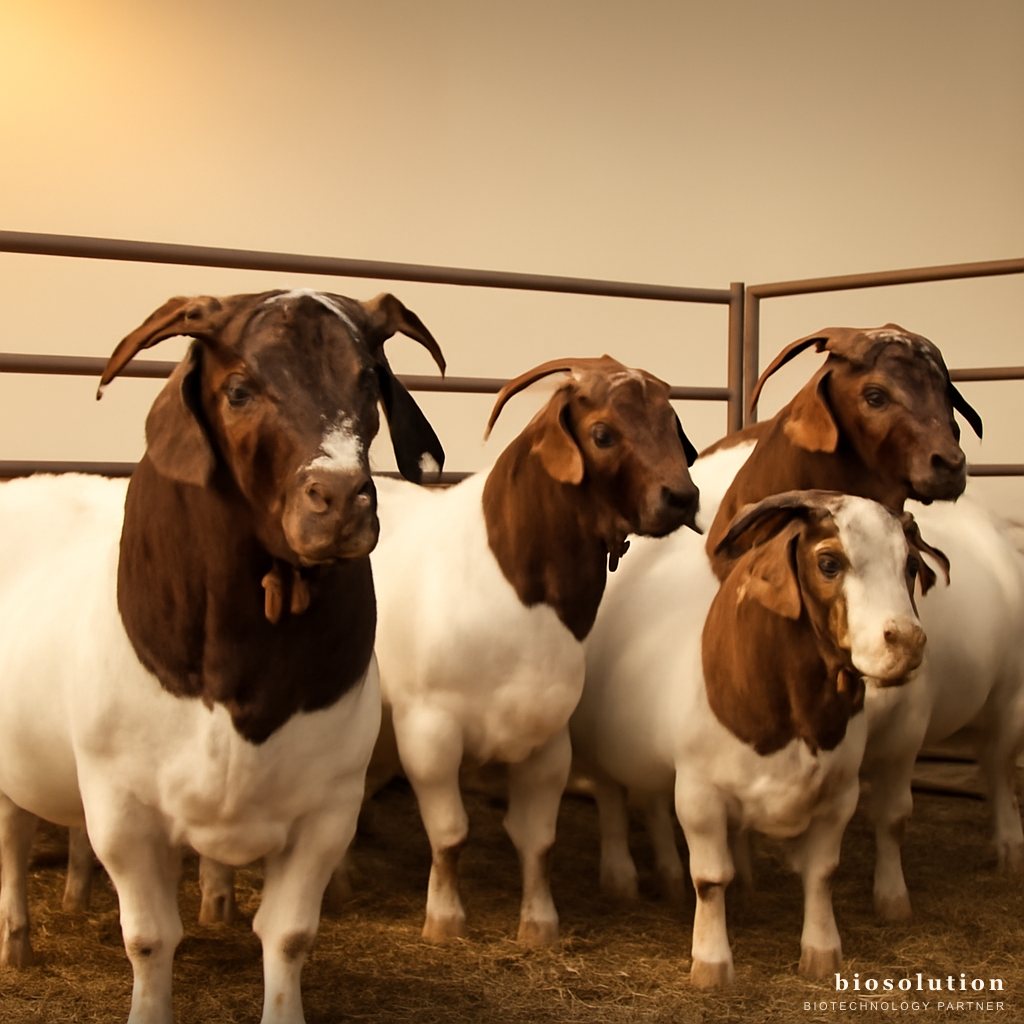
Qurban Goat Probiotic: Strain and Certification Selection Guide
As the qurban and aqiqah season approaches, goat farmers compete to increase body weight and carcass quality. One increasingly popular solution is the use of qurban goat probiotics. However, not all probiotics are the same. This article will thoroughly discuss the criteria for effective microbial strains, the importance of halal certification, and how to choose the right product for fattening goats. With proper understanding, you can maximize average daily gain (ADG) and feed conversion ratio (FCR) naturally.
Why Are Probiotics Important for Qurban Goats?
Probiotics are live microorganisms that provide health benefits to the host. In ruminants like goats, probiotics work by balancing the rumen and gut microbiota, thereby improving fiber digestion, nutrient absorption, and immunity. For goats intended for qurban, probiotics help:
- Increase Body Weight: With higher ADG, goats reach ideal weight faster.
- Improve Feed Conversion: Lower FCR means less feed per kilogram of meat.
- Reduce Disease Risk: Goats are healthier, especially during intensive fattening stress.
- Produce Quality Carcasses: Meat is denser and fuller, in accordance with qurban requirements.
Probiotics are also a choice for modern farmers because they are natural, antibiotic-free, and support animal welfare.
Criteria for Superior Strains in Goat Probiotics
Not all good bacteria are suitable for goats. The strains used must be resistant to the conditions of the ruminant digestive tract and capable of producing enzymes that degrade fiber. Here are three main strains proven effective based on research and Biosolution products:
Lactobacillus acidophilus: Primary Probiotic
Lactobacillus acidophilus is a commonly used lactic acid bacterium. This strain produces lactic acid that lowers gut pH, inhibiting pathogens such as E. coli and Salmonella. In goats, L. acidophilus increases the population of beneficial bacteria in the rumen, accelerates feed fermentation, and increases the production of volatile fatty acids (VFAs) as an energy source. As a result, ADG increases and feces become firmer.
Bacillus subtilis: Enzymes and Biocontrol
Bacillus subtilis is a spore-forming bacterium that is heat and acid resistant. It produces protease, amylase, and cellulase enzymes that help digest protein, starch, and fiber. Additionally, B. subtilis produces antimicrobial compounds such as subtilin that suppress pathogenic bacteria in the gut. In goats, this strain has been shown to reduce the incidence of bloat and diarrhea, especially during the transition to high-concentrate feed.
Bacillus megaterium: Mineral Solubilization
Bacillus megaterium is known as a phosphate-solubilizing bacterium. It converts bound phosphorus into a form available to goats, thereby improving bone mineralization and muscle growth. This strain also produces phytase that breaks down phytic acid, increasing the availability of other minerals such as calcium and zinc. As a result, goats are more vigorous and carcasses are denser.
These three strains work synergistically: L. acidophilus maintains microbiota balance, B. subtilis provides digestive enzymes, and B. megaterium ensures optimal mineral absorption. This combination is the mainstay of Biosolution's Formula Probiotik Kambing Potong.
Halal Certification and Probiotic Safety
For Muslim farmers preparing qurban animals, the halal status of feed and supplements is crucial. Probiotics must be ensured free from haram or najis ingredients, including bacterial growth media (such as pork gelatin or alcohol). Halal certification from LPPOM MUI or similar institutions provides assurance. Additionally, probiotics must be safe for animals and humans, with no side effects such as antibiotic resistance or toxicity.
Biosolution products have obtained halal certificates and are produced under GMP standards. All microbial strains come from pure collections that are not genetically modified (non-GMO) and have been tested for safety. By using certified probiotics, farmers can be at ease knowing their qurban and aqiqah worship proceeds according to Islamic law.
How to Apply Probiotics for Goat Fattening
To be effective, probiotics must be administered correctly. Here is a guide based on Formula Probiotik Kambing Potong:
- Method: Drench (mixed with drinking water) or mixed with concentrate.
- Dosage: 10 ml per head per day.
- Frequency: Every day during the fattening period (at least 30-60 days).
- Time: Morning during the first feeding.
Ensure the probiotic is evenly mixed and not exposed to direct sunlight. Avoid mixing with hot water or feed containing antibiotics. Consistency is key; optimal results are seen after 2-3 weeks of use.
Expected Results: ADG Up, FCR Down
Field data shows that using probiotics with the right strains can increase ADG by 12-18% and improve FCR by 6-10%. This means goats can reach a slaughter weight of 25-30 kg faster. Carcasses become fuller with a higher meat percentage, meeting qurban market demand. Additionally, mortality and digestive disease rates drop drastically, saving medication costs.
For example, farmers in West Java using Formula Penggemukan Cepat Aqiqah & Qurban reported a weight gain of 1.5 kg per week in Kacang goats, up from 1 kg previously. Feed efficiency increased, and goats were more active with stable appetite.
Conclusion
Choosing qurban goat probiotics is not just a trend, but an investment for optimal results. Pay attention to superior strain criteria such as Lactobacillus acidophilus, Bacillus subtilis, and Bacillus megaterium which have been proven to increase ADG and FCR. Ensure the product is halal certified and safe. With proper application, your goats will grow healthy, gain weight quickly, and be ready as quality qurban animals. For further consultation, contact the Biosolution team via WhatsApp.
FAQ
Are probiotics safe for qurban goats?
Yes, probiotics from tested strains such as Lactobacillus acidophilus, Bacillus subtilis, and Bacillus megaterium are safe to use. Biosolution products are halal certified and free from harmful substances. Probiotics actually reduce the risk of digestive diseases and improve goat immunity.
How long does it take to see results?
Results are usually seen within 2-3 weeks of regular use. In the first week, appetite increases and feces become firmer. Significant weight gain is seen in the second week and beyond. For maximum results, give probiotics daily during the fattening period for at least 30 days.
Can probiotics be mixed with concentrate feed?
Certainly. The most practical method is to mix liquid probiotic (10 ml per head per day) into the concentrate. Stir evenly and feed immediately. Avoid mixing with feed containing antibiotics or anticoccidials, as they can reduce probiotic effectiveness.
Are probiotics suitable for all types of goats?
Yes, probiotics are suitable for various types of goats such as Kacang, Boer, Peranakan Etawa (PE), and other local goats. Dosage and application method are the same. However, for optimal results, adjust to health conditions and feed management.
How should probiotics be stored properly?
Store liquid probiotics in a cool place (temperature 4-8°C) or in the refrigerator. Avoid direct sunlight and extreme temperatures. If stored properly, probiotics can last up to 6 months. Do not use if there is a change in color or odor.