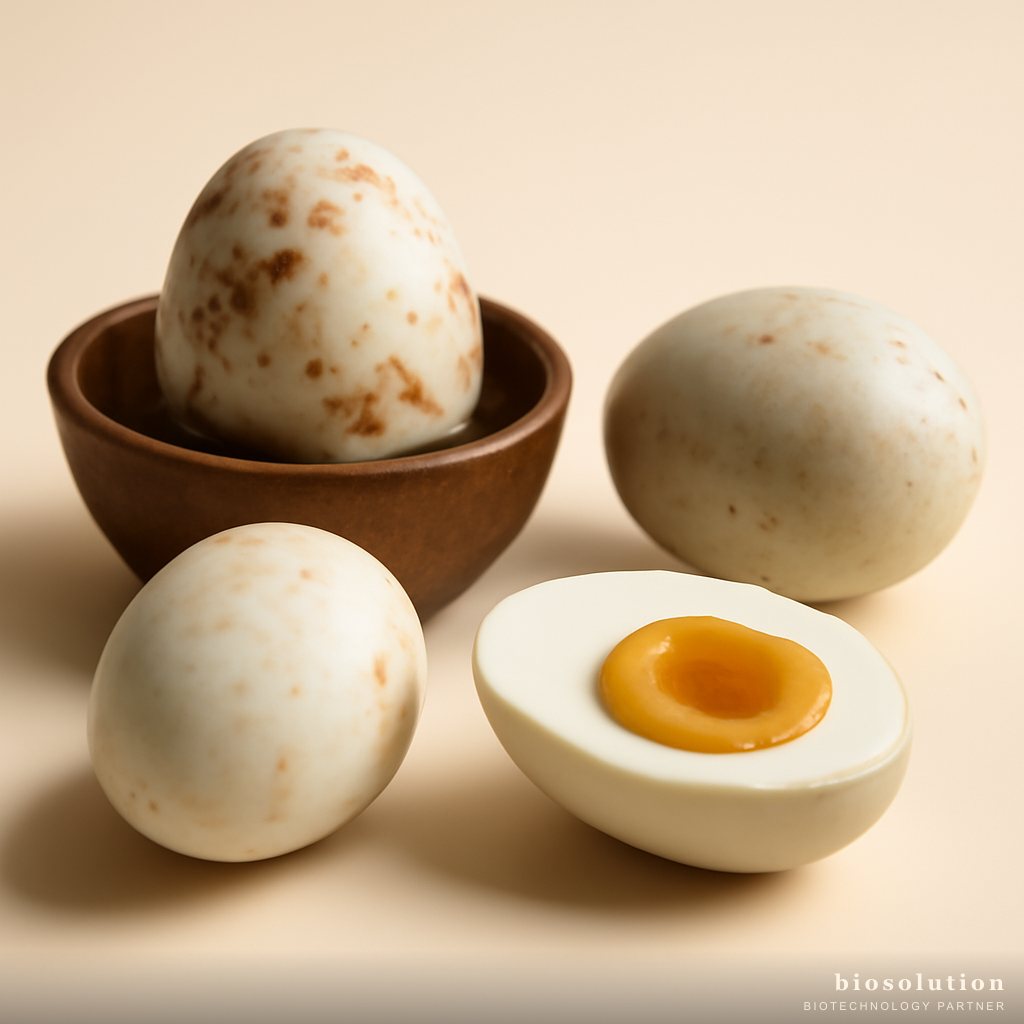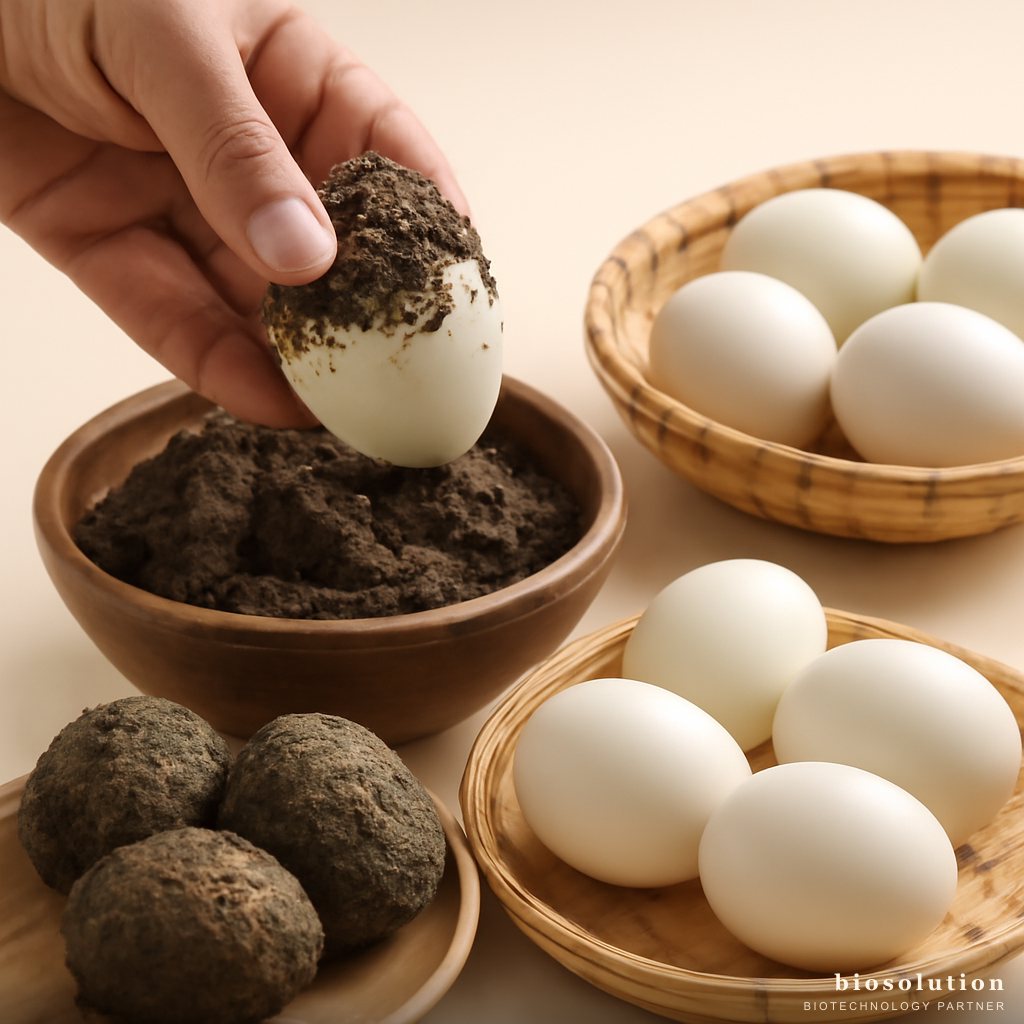
Salted Duck Egg Production: 10 Probiotic Formulas for Laying Ducks for an Antibiotic-Free Farming Future
Salted egg producers will agree: quality and quantity of duck eggs are everything. However, increasing duck egg production for salted eggs is not just about quantity, but also consistency in size, shell thickness, and cleanliness from contamination such as Salmonella. Amid the global trend towards antibiotic-free farming, this challenge becomes more complex. The solution lies in gut microbiota balance through probiotics. This article thoroughly explores how salted duck egg production can be optimized with 10 proven probiotic formulas for laying ducks, plus practical guidance for modern farmers.
Why Probiotics Are Important for Salted Duck Egg Production?
Probiotics are live microorganisms that provide health benefits to the host, in this case laying ducks. In the duck's digestive system, probiotics help suppress pathogenic bacteria such as Salmonella and E. coli, improve nutrient absorption, and strengthen the immune system. The direct impact: more stable egg production, thicker shells, and reduced risk of defective eggs. For salted egg producers, thick shells are crucial because they determine egg durability during salting and processing. Without probiotics, antibiotic use is often a shortcut, but it risks residues and bacterial resistance. Probiotics offer a safe, natural, and sustainable alternative.
Role of Superior Strains in the Formula
Biosolution develops a probiotic formula for laying ducks consisting of three superior strains: Lactobacillus bulgaricus, Bifidobacterium sp., and Bacillus subtilis. Each has a specific role:
- Lactobacillus bulgaricus: Produces lactic acid that lowers gut pH, thereby inhibiting the growth of Salmonella and other pathogenic bacteria. This is crucial for preventing egg contamination.
- Bifidobacterium sp.: Plays a role in stabilizing gut microbiota, maintaining the balance of good bacteria, and enhancing local immune response.
- Bacillus subtilis: Produces digestive enzymes (amylase, protease, cellulase) that help digest feed more efficiently, and forms a protective biofilm on the intestinal wall.
This combination creates synergy that supports overall gut health, ultimately improving feed conversion and egg production.
10 Probiotic Formulas for Laying Ducks Proven to Increase Egg Production
Based on Biosolution product data, here are 10 formulas designed to optimize salted duck egg production:
- Basic Probiotic Formula – Contains Lactobacillus bulgaricus, Bifidobacterium sp., and Bacillus subtilis at a dose of 1 ml per liter of drinking water daily. Proven to increase egg production by 4–6%.
- Anti-Salmonella Formula – Enhanced with Lactobacillus bulgaricus to suppress contamination risk in eggs.
- Shell Strengthening Formula – Contains Bacillus subtilis which improves calcium absorption, resulting in thicker shells.
- Production Persistence Formula – Bifidobacterium sp. helps extend the peak production period, so ducks lay eggs longer.
- Defective Egg Reduction Formula – Combination of the three strains reduces cracked, broken, or dirty eggs.
- Efficient Feed Formula – Bacillus subtilis with its enzymes improves feed digestibility, lowering FCR (Feed Conversion Ratio).
- High Immunity Formula – Bifidobacterium sp. stimulates natural antibody production, reducing disease incidence.
- Low Stress Formula – Probiotics help ducks cope with environmental stress (heat, density) without production drop.
- Duckling Starter Formula – Given early to build a healthy gut microbiota, the foundation for optimal production at maturity.
- Prebiotic Combination Formula – Added prebiotic fiber to support probiotic growth, increasing effectiveness.
All these formulas are applied through drinking water, making it easy for farmers without changing feed. The daily dose is only 1 ml per liter of water, given in the morning.
Application Method and Correct Dosage
The success of probiotics depends heavily on application consistency. Here is a practical guide:
- Preparation: Ensure drinking water is clean and chlorine-free. Chlorine can kill probiotics. Let tap water sit overnight or use well water.
- Dosage: Mix 1 ml of probiotic formula per liter of water. For 100 ducks, average water consumption is 20 liters per day, meaning 20 ml of probiotics needed.
- Timing: Give in the morning when ducks are actively drinking. Ensure water is consumed within 4-6 hours to keep probiotics fresh.
- Frequency: Every day, without interruption. Optimal results are seen after 2-3 weeks of regular use.
- Monitoring: Record daily egg count, egg weight, and shell condition. Compare before and after use.
If ducks are sick or receiving antibiotics, allow a 2-hour gap between antibiotic and probiotic administration. Antibiotics can kill probiotics if given together.
Economic Benefits: Calculate Profit from Better Egg Production
A 4-6% increase in production may sound small, but on a scale of 1,000 ducks, the impact is significant. For example, if normal production is 70% (700 eggs/day), a 5% increase means an additional 35 eggs per day. In a month, that's 1,050 extra eggs. With a salted duck egg price of IDR 3,000 per piece, additional revenue is IDR 3.15 million per month. Not to mention the reduction in defective eggs, which can reach 10-15%, and lower medication costs because ducks are healthier. The probiotic investment is only about IDR 50,000 per liter for 1,000 ducks per month, far cheaper than the profit gained.
Additionally, thicker shells reduce losses during salting and packaging. Thin-shelled eggs break easily, causing losses. With probiotics, egg quality improves, and the brand image of salted egg producers is enhanced.
The Future of Antibiotic-Free Duck Farming
Global regulations are increasingly strict regarding the use of antibiotics as growth promoters. The European Union has banned them since 2006, and Indonesia is starting to encourage reduction of antibiotic residues in livestock products. Probiotics are the main solution to replace antibiotic functions without side effects. Ducks given probiotics have better immune systems, so they rarely get sick and do not need antibiotics. This aligns with the One Health concept linking animal, human, and environmental health.
Farmers who switch to probiotics early will have a competitive advantage: their salted egg products are free of antibiotic residues, safer for consumption, and environmentally friendly. Modern consumers are increasingly concerned about food origins. Antibiotic-free certification can be a premium selling point.
Conclusion
Increasing duck egg production for salted eggs is not a dream if supported by proper gut health management. Biosolution's probiotic formula for laying ducks, with a combination of Lactobacillus bulgaricus, Bifidobacterium sp., and Bacillus subtilis, provides a scientific solution to increase production by 4-6%, thicken shells, extend persistence, and reduce defective eggs. Easy application through drinking water, economical, and supports antibiotic-free farming. Starting now, make probiotics part of your farming routine. For further consultation or product orders, contact the Biosolution team via WhatsApp at [WhatsApp link] or see the complete product Probiotic Formula for Laying Ducks.
FAQ
1. Are probiotics safe for laying ducks? Yes, probiotics are very safe because they are natural microorganisms already present in the duck's digestive tract. The strains used, such as Lactobacillus bulgaricus and Bacillus subtilis, have been tested safe and cause no side effects. Probiotics do not leave residues in eggs or meat, so they are safe for human consumption.
2. How long does it take to see increased production results? Generally, production increases start to be seen after 2-3 weeks of regular use. In the first week, changes may not be significant because probiotics need time to establish colonies in the gut. After that, egg production will gradually increase and shells become thicker. For maximum results, use probiotics every day without interruption.
3. Can probiotics be mixed with vaccines or other medications? It is best to allow at least a 2-hour gap between probiotic administration and medication or vaccines, especially antibiotics. Antibiotics can kill probiotics. If ducks are undergoing antibiotic treatment, give probiotics 2 hours after antibiotics. For vaccination, it is fine as long as the interval is maintained.
4. Does the probiotic dose need to be adjusted according to duck age? The standard dose of 1 ml per liter of water applies to all ages, from ducklings to adults. However, for ducklings (starter), the dose can be halved (0.5 ml/liter) in the first week for adaptation. After that, use the normal dose. Ensure drinking water is always available and clean.
5. How should probiotics be stored to keep them active? Store probiotics in a cool, dry place at 4-8°C (refrigerator) to maintain viability. Avoid direct sunlight and temperatures above 30°C. After opening, use within 30 days. Do not freeze as it can damage bacterial cells. The bottle must be tightly closed after use.