Shrimp Pond Water Quality Ammonia: Chemical vs Probiotic
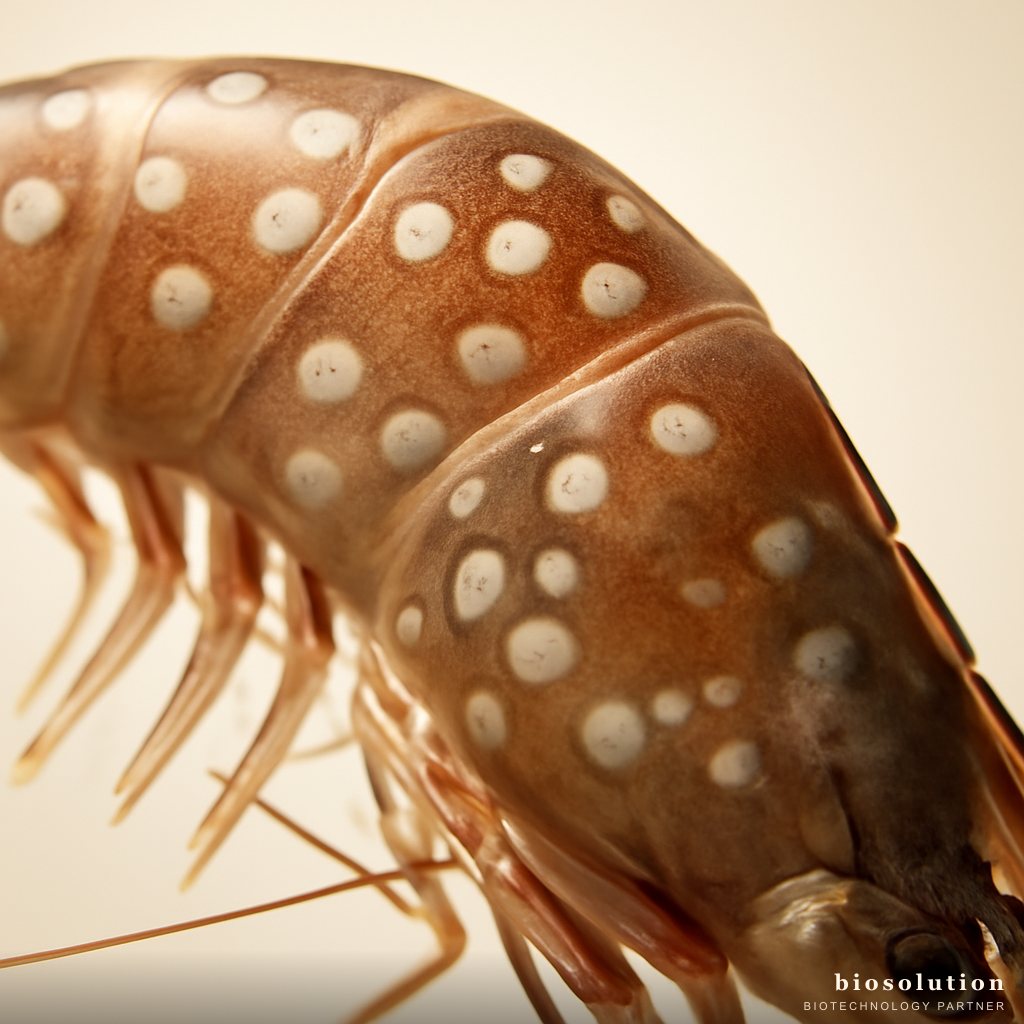
Shrimp pond water quality ammonia is a critical factor in the success of vaname shrimp farming. High ammonia not only suppresses appetite and growth but also triggers mass mortality. So far, farmers rely on chemicals to lower ammonia quickly. However, this approach carries risks of residue and recurring costs. On the other hand, probiotics offer a sustainable solution by optimizing the natural nitrogen cycle. This article explores the cost and effectiveness comparison between chemical and microbial methods in managing ammonia, and why probiotics are the smart long-term choice.
Why Ammonia Is a Critical Problem in Shrimp Ponds?
Ammonia (NH₃) is a metabolic byproduct of protein from shrimp feed and organic waste. At high concentrations (>0.1 ppm), ammonia is toxic, damaging gills, disrupting osmoregulation, and reducing shrimp resistance to diseases like vibriosis. In intensive ponds with high stocking density, ammonia accumulation occurs very quickly due to large feed input. Without proper management, ammonia spikes can lead to crop failure.
Sources of Ammonia in Ponds
- Uneaten feed residue
- Shrimp feces
- Dead and decaying plankton
- Nitrogen fertilizers (if used)
Impacts of High Ammonia
- Decreased appetite and growth
- Gill damage and respiratory distress
- Increased susceptibility to Vibrio spp.
- Sudden mortality (mortality spike)
Therefore, keeping ammonia below 0.1 ppm is a top priority. However, the method to achieve this target has different cost and sustainability implications.
Chemical Method: Fast but Expensive and Risky
The use of chemicals such as zeolite, chlorine, or ammonia-binding agents (e.g., formalin) is still common in traditional ponds. These methods work quickly to absorb or oxidize ammonia but have several drawbacks.
Advantages of Chemicals
- Instant effect (within hours)
- Easy to apply
- Widely available in the market
Disadvantages of Chemicals
- Recurring costs: Application must be repeated every 2-3 days because ammonia is continuously produced. Cost per cycle can reach IDR 500,000–1,000,000 per hectare per week.
- Harmful residues: Chlorine and formalin leave residues toxic to shrimp and pond microflora.
- Kills beneficial bacteria: Chemicals are non-selective; they kill natural nitrifying bacteria, disrupting the nitrogen cycle.
- Environmental pollution: Chemical waste contaminates surrounding waters.
- Resistance: Repeated use can trigger pathogen resistance.
Chemical Cost Calculation (per 100-day cycle)
Assuming zeolite (IDR 15,000/kg) at a dose of 50 kg/ha/week: zeolite cost = 50 kg x 15,000 = IDR 750,000/week. Over 14 weeks (100 days) = IDR 10,500,000. Plus labor and application costs, total can reach IDR 12–15 million per cycle. Not to mention the risk of crop failure if ammonia is uncontrolled.
Probiotic: Higher Initial Investment, but Cost-Effective Long-Term
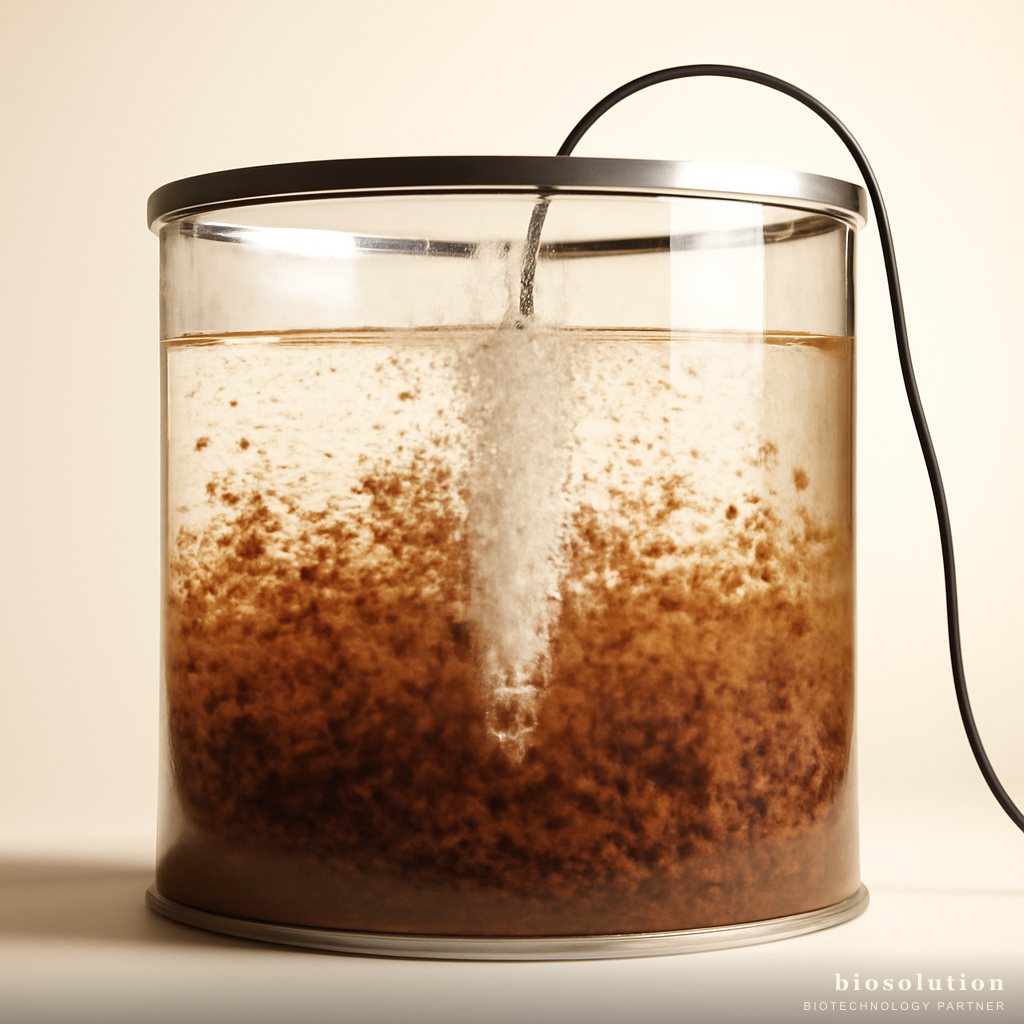
Pond probiotics are formulations of beneficial bacteria that naturally break down ammonia and organic matter. Products like Vaname Shrimp Pond Probiotic Formula from Biosolution contain Bacillus subtilis, Bacillus licheniformis, Nitrosomonas sp., and Nitrobacter sp. that work synergistically.
How Probiotics Work
- Bacillus subtilis and B. licheniformis produce protease, amylase, and lipase enzymes to decompose feed residue and feces into simple compounds.
- Nitrosomonas sp. oxidizes ammonia (NH₃) into nitrite (NO₂⁻).
- Nitrobacter sp. oxidizes nitrite into nitrate (NO₃⁻), which is less toxic and can be utilized by plankton.
This process forms a complete nitrogen cycle in the pond, keeping ammonia and nitrite stable below 0.1 ppm.
Advantages of Probiotics
- Long-term ammonia stability: With routine application every 7–10 days, nitrifying bacteria populations establish and work continuously.
- Reduces water exchange by 30%: Water does not need frequent replacement because water quality is naturally maintained.
- Increases survival rate by 10–15%: Shrimp are healthier, have good appetite, and are disease resistant.
- Suppresses Vibrio population by up to 40%: Probiotic bacteria compete with pathogens.
- Environmentally friendly: Leaves no chemical residues.
Probiotic Cost Calculation (per 100-day cycle)
Dosage: 5 L per hectare every 7–10 days. Price per liter around IDR 150,000. Requirement per application: 5 L x IDR 150,000 = IDR 750,000. Frequency 10 times per cycle (every 10 days) = IDR 7,500,000. Plus lower labor costs because applications are less frequent. Total probiotic cost per cycle is around IDR 8–9 million. Saving IDR 3–6 million compared to chemical methods. Not to mention the profit from higher SR.
Cost and Effectiveness Comparison: Chemical vs Probiotic
| Aspect | Chemical | Probiotic |
|---|---|---|
| Cost per cycle (100 days) | IDR 12–15 million | IDR 8–9 million |
| Application frequency | Every 2–3 days | Every 7–10 days |
| Ammonia stability | Fluctuating, needs tight monitoring | Stable <0.1 ppm within 1–2 weeks |
| Impact on SR | No direct increase | Increases 10–15% |
| Residue risk | High | None |
| Sustainability | Low | High (builds ecosystem) |
Case Study: Vaname Pond in Lampung
A vaname farmer in Lampung applied Biosolution probiotics in the 3rd cycle. Previously using zeolite and chlorine, SR was only 65% with FCR 1.6. After switching to probiotics, SR increased to 80%, FCR dropped to 1.3, and water management costs decreased by 35%. Ammonia was stable at 0.05 ppm throughout the cycle. Harvest yield increased by 23%.
Effective Probiotic Application Method
For optimal probiotic performance, follow these guidelines:
- Pond Preparation: Ensure pH 7.5–8.5 and salinity 15–30 ppt. Adequate aeration (DO >4 ppm).
- Dosage: 5 L per hectare of pond, dissolved in clean water then evenly distributed.
- Frequency: Every 7–10 days, especially after water exchange or heavy rain.
- Application Time: Morning or evening when temperature is not too hot.
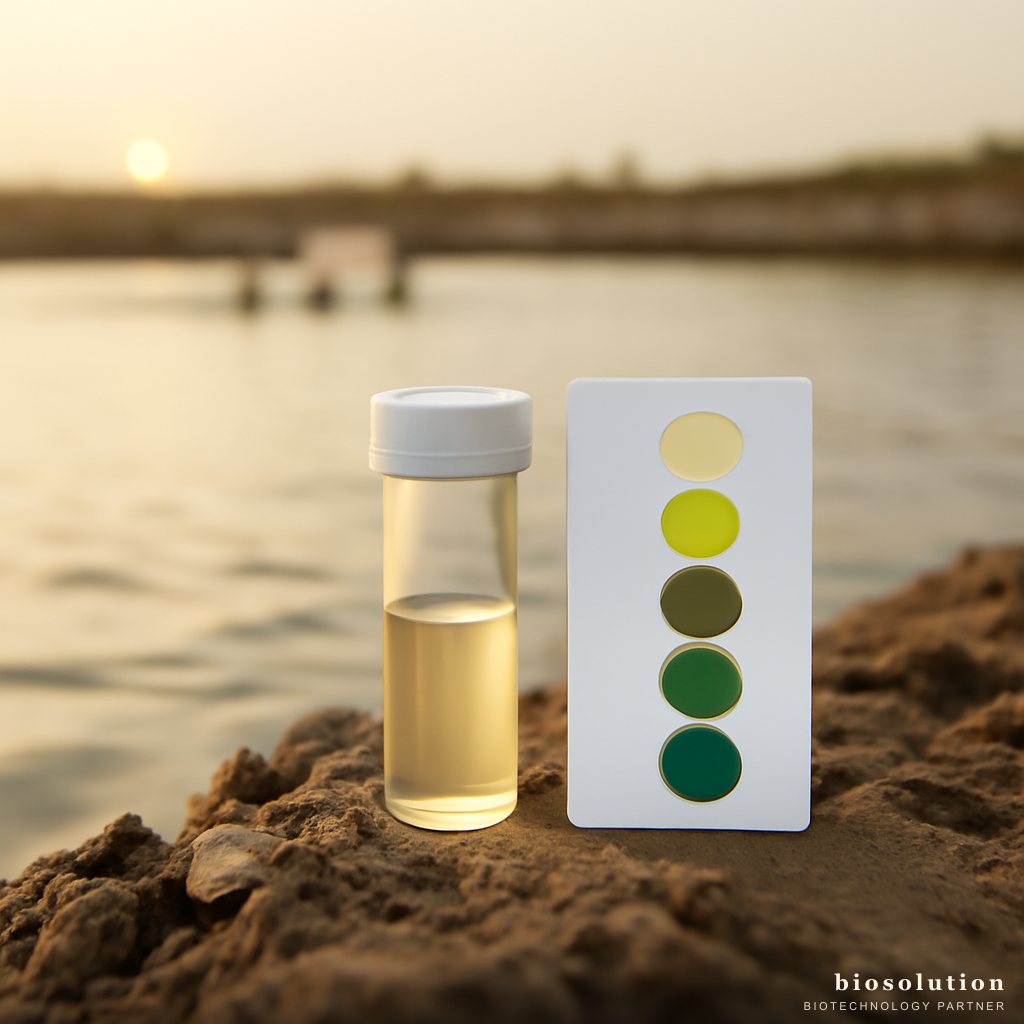
- Monitoring: Measure ammonia, nitrite, and nitrate every 3 days to ensure the nitrogen cycle is running.
Conclusion
Managing shrimp pond water quality ammonia with probiotics is proven to be more cost-effective and sustainable compared to chemical methods. Although the initial investment may feel larger, savings from reduced application frequency, lower water exchange, and increased SR make probiotics superior in the long run. The Vaname Shrimp Pond Probiotic Formula from Biosolution offers a complete solution with nitrifying and decomposing bacteria that work synergistically. For maximum results, combine with good feed management and aeration.
Interested in applying probiotics in your pond? Consult your specific pond needs with the Biosolution team via WhatsApp. Get the right dosage and application schedule recommendations. See the Vaname Shrimp Pond Probiotic Formula product or also read about the Emergency Ammonia & Nitrite Formula for quick handling during ammonia spikes.
FAQ
1. How long does it take for probiotics to lower ammonia?
After the first application, Nitrosomonas and Nitrobacter bacteria begin to develop and oxidize ammonia within 24–48 hours. However, to achieve a stable population and controlled ammonia below 0.1 ppm, 1–2 weeks of routine application is needed. In ponds that have previously used probiotics, the effect is faster because bacteria are already established.
2. Are probiotics safe to use together with antibiotics?
It is best to avoid using antibiotics simultaneously as they can kill probiotic bacteria. If antibiotics are unavoidable, allow a minimum 3-day gap afterward and reapply probiotics to restore the population. Consult an expert for specific cases.
3. What is the total cost of using probiotics per cycle?
The probiotic cost per 100-day cycle is around IDR 8–9 million for a 1-hectare pond, depending on application frequency. This is more economical than chemical methods which can reach IDR 12–15 million. Additionally, a 10–15% increase in SR provides extra profit.
4. Can probiotics be used in traditional ponds?
Yes, probiotics are suitable for all cultivation systems, including traditional, semi-intensive, and intensive. In traditional ponds with low stocking density, the dosage can be reduced to 3 L per hectare. However, ensure environmental conditions (pH, temperature, oxygen) support bacterial activity.
5. How should probiotics be stored to remain active?
Store probiotics in a cool, dry place, away from direct sunlight. Ideal storage temperature is 15–25°C. Do not freeze. Use within 6 months of production. After opening, use within 1 week to maintain bacterial viability.