Shrimp Pond Water Quality Ammonia: Daily Monitoring Guide
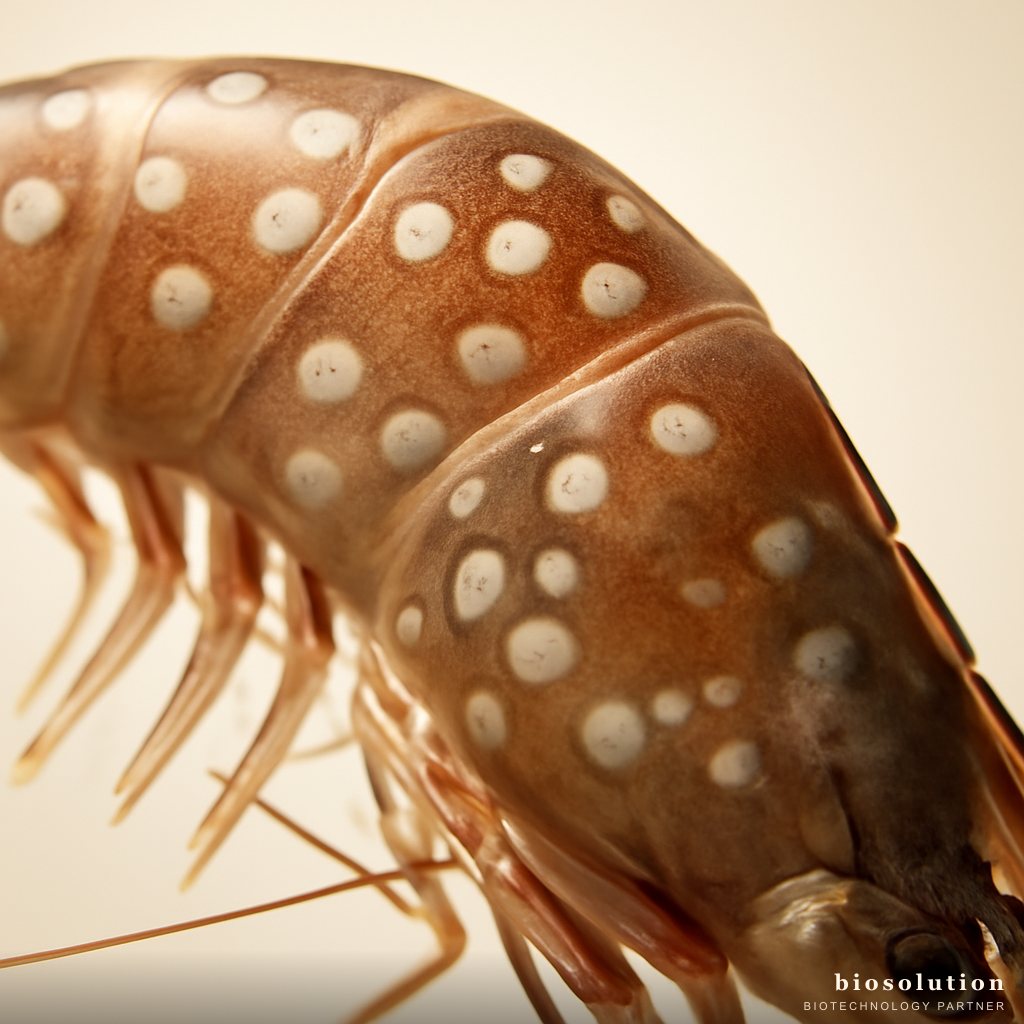
Shrimp pond water quality ammonia is one of the determining factors for successful intensive vaname shrimp farming. High ammonia (NH3) can cause stress, reduce appetite, and even trigger mass mortality. Therefore, daily monitoring of water parameters—ammonia, pH, dissolved oxygen (DO), and salinity—is a mandatory routine for farmers. With proper monitoring and application of probiotics such as Bacillus subtilis, Nitrosomonas sp., and Nitrobacter sp., ammonia levels can be suppressed below 0.1 ppm, supporting a higher shrimp survival rate (SR).
Why Ammonia is a Major Threat in Shrimp Ponds
Ammonia comes from leftover feed, shrimp feces, and decomposition of organic matter. In its un-ionized form (NH3), ammonia is highly toxic to shrimp, damaging gills, disrupting osmoregulation, and lowering immunity. At concentrations >0.1 ppm, shrimp begin to show stress symptoms; at >0.5 ppm it can cause death. Other parameters such as pH and temperature affect the NH3/NH4+ balance. The higher the pH and temperature, the greater the proportion of toxic NH3. Therefore, monitoring shrimp pond water quality ammonia must be done together with other supporting parameters.
Sources of Ammonia in Ponds
- Leftover feed: Uneaten feed decomposes into ammonia.
- Shrimp excretion: Shrimp release ammonia through gills and urine.
- Plankton decomposition: Dead plankton also releases ammonia.
Factors Affecting Ammonia Toxicity
- pH: High pH (>8.5) increases toxic NH3.
- Temperature: Temperature >30°C accelerates conversion of NH4+ to NH3.
- Salinity: Low salinity increases ammonia toxicity.
Key Parameters to Monitor Daily
Daily monitoring allows early detection of water quality changes. The following are the main parameters to measure:
Total Ammonia (NH3 + NH4+)
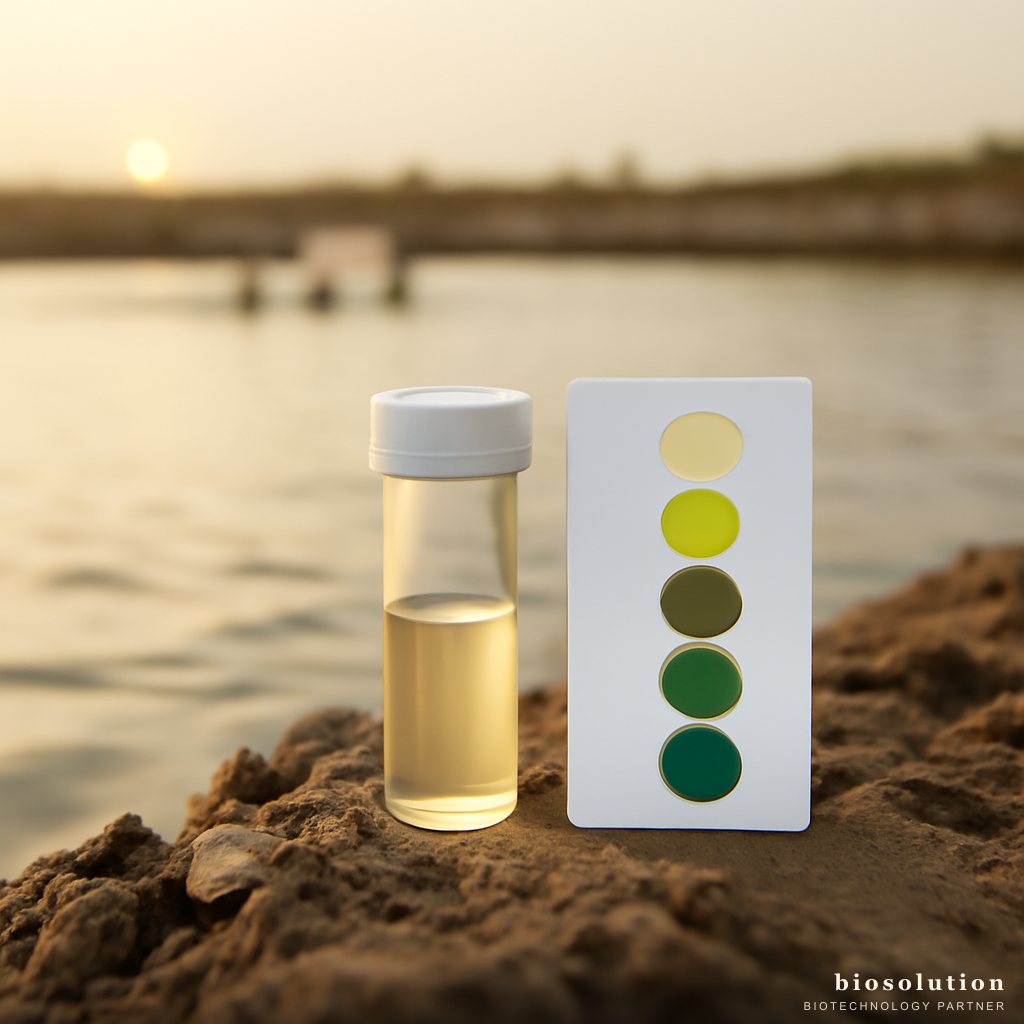
Ideal total ammonia level <1 ppm, with NH3 <0.1 ppm. Use a test kit or spectrophotometer. Frequency: morning and evening.
pH
Optimal pH for vaname shrimp is 7.5–8.5. pH fluctuations >0.5 per day can cause stress. Measure together with ammonia.
Dissolved Oxygen (DO)
Minimum DO 4 ppm, ideal 5–7 ppm. Low oxygen increases ammonia toxicity and triggers growth of toxic anaerobic bacteria.
Salinity
Ideal salinity 15–25 ppt. Drastic salinity changes affect shrimp osmoregulation. Monitor daily, especially during rainy season.
Temperature
Optimal temperature 28–32°C. High temperature accelerates metabolism and ammonia production.
Role of Probiotics in Reducing Ammonia and Increasing SR
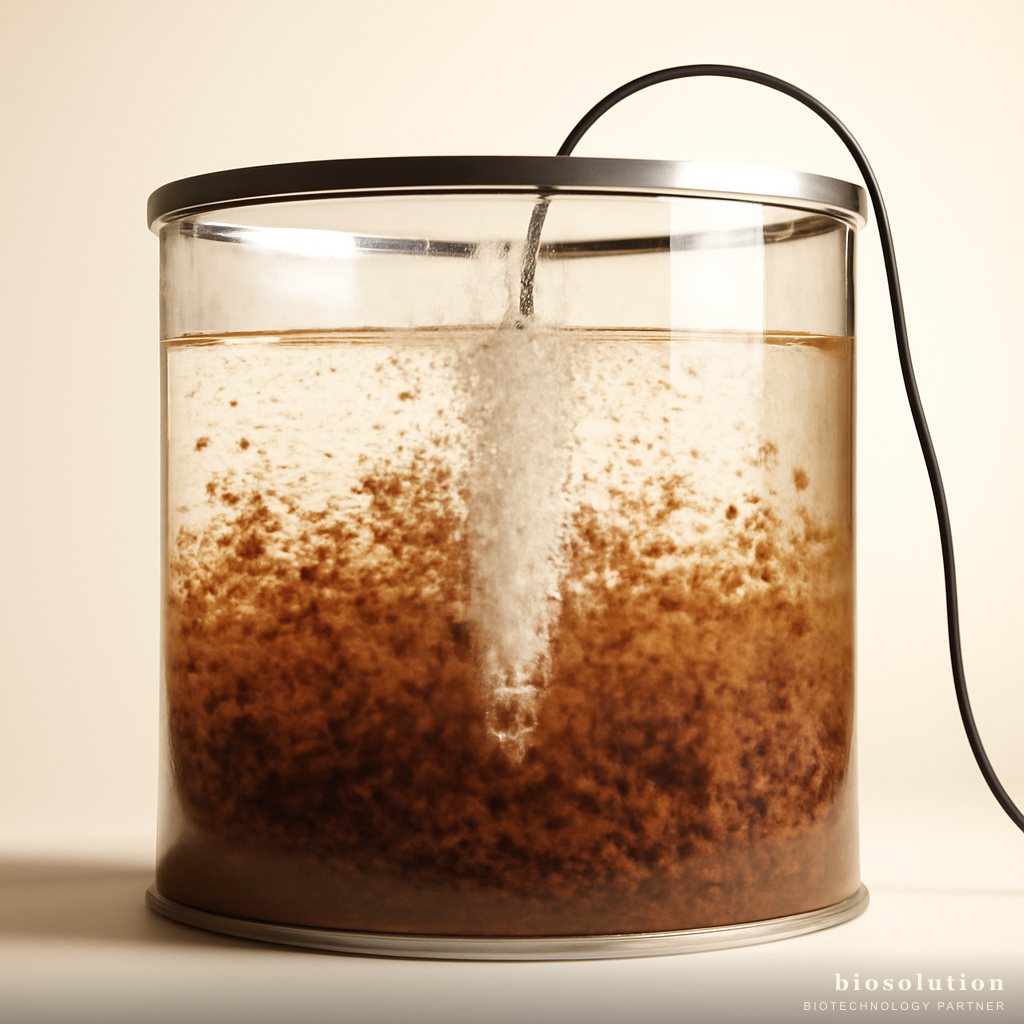
Biosolution's vaname shrimp pond probiotics contain superior bacteria that work synergistically to break down ammonia and control Vibrio. Here is their mechanism:
Bacillus subtilis and Bacillus licheniformis
Both produce protease, amylase, and lipase enzymes that decompose leftover feed and feces into simple compounds, reducing ammonia sources. B. subtilis also produces anti-Vibrio compounds, suppressing pathogenic bacteria populations by up to 40%.
Nitrosomonas sp. and Nitrobacter sp.
Nitrosomonas oxidizes ammonia (NH3) into nitrite (NO2-), then Nitrobacter oxidizes nitrite into non-toxic nitrate (NO3-). This nitrification process keeps ammonia stable below 0.1 ppm.
Dosage and Application
The Vaname Shrimp Pond Probiotic Formula product is applied by direct broadcasting into the pond, at a dose of 5 L per hectare, every 7–10 days in the morning or evening. With routine application, water exchange can be reduced by up to 30%, saving operational costs.
Monitoring Strategy and Corrective Actions
Daily Monitoring Steps
- Measure ammonia, pH, DO, salinity, temperature in the morning (06:00) and evening (16:00).
- Record in a logbook to observe trends.
- If ammonia >0.1 ppm, immediately take corrective action.
Corrective Actions When Ammonia is High
- Add probiotics: Apply an additional dose of 2–3 L/ha if ammonia rises.
- Intensive aeration: Increasing DO helps the nitrification process.
- Reduce feed: Temporarily stop feeding until ammonia drops.
- Partial water exchange: Replace 10–20% of water if ammonia is very high.
Emergency Products
If there is a spike in ammonia or nitrite, use Ammonia & Nitrite Emergency Formula as a quick solution.
Case Study: Probiotic Effectiveness in Intensive Vaname Ponds
Data from several partner ponds show that routine use of Biosolution probiotics can:
- Maintain ammonia <0.1 ppm throughout the cycle.
- Increase vaname shrimp SR by 10–15% compared to without probiotics.
- Reduce Vibrio populations by up to 40%.
- Save water exchange costs by up to 30%.
In ponds with a stocking density of 100 shrimp/m², average SR reached 85–90% with FCR 1.2–1.4. Water quality remained stable even during the rainy season.
Conclusion
Managing shrimp pond water quality ammonia requires disciplined daily monitoring of ammonia, pH, DO, and salinity. By utilizing probiotics containing Nitrosomonas, Nitrobacter, Bacillus subtilis, and Bacillus licheniformis, farmers can suppress ammonia, control Vibrio, and increase shrimp survival rate. The Vaname Shrimp Pond Probiotic Formula product from Biosolution is the right solution for achieving water stability and optimal productivity.
For further consultation on monitoring strategies or probiotic needs, contact our technical team via WhatsApp. Get specific dosage recommendations according to your pond conditions.