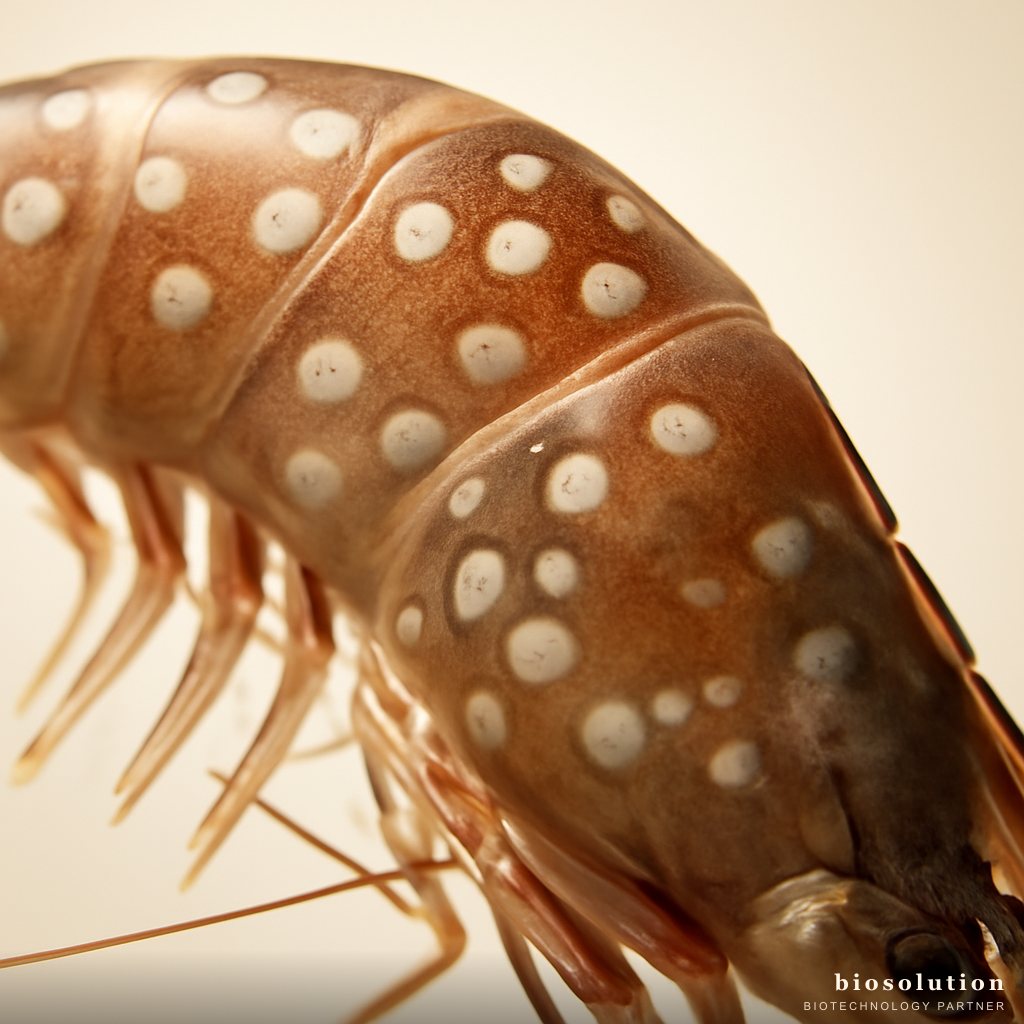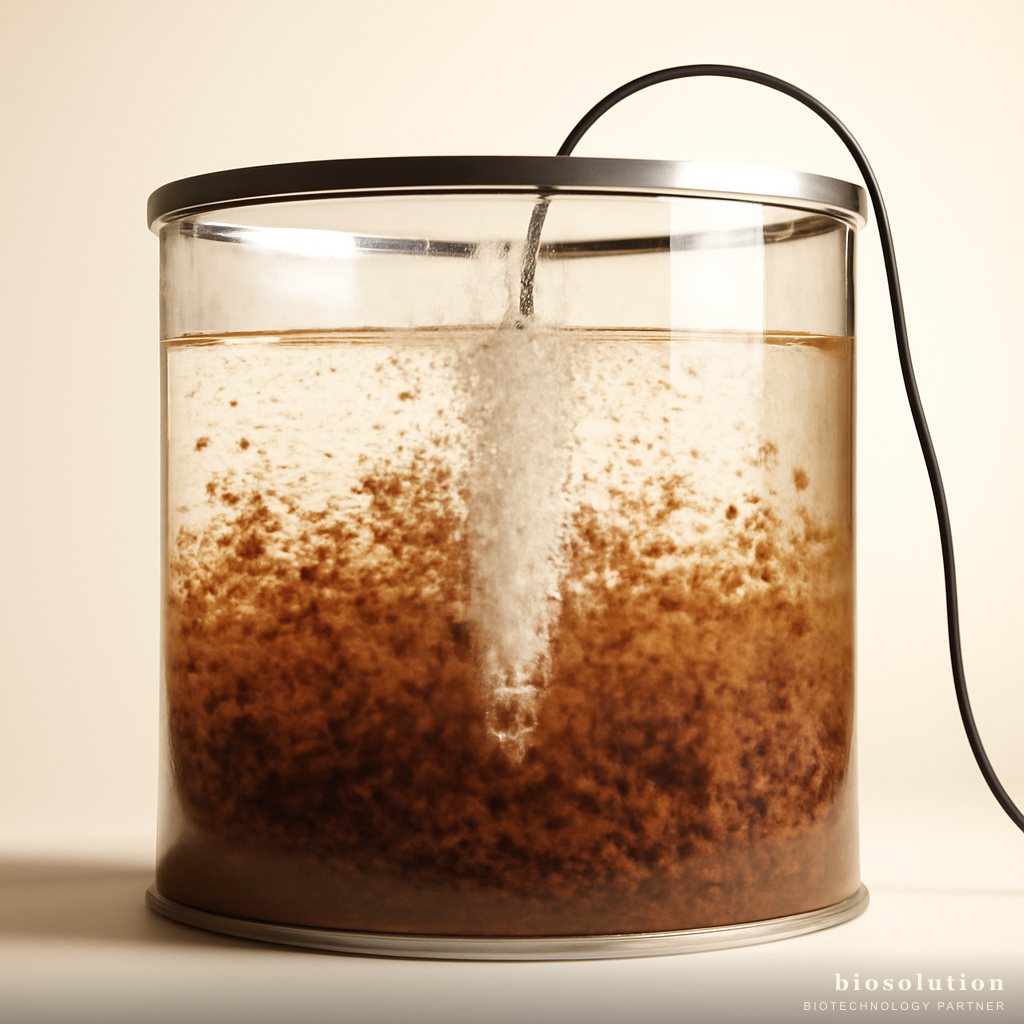
Traditional Tiger Shrimp Pond Probiotics: Key to Water Quality Throughout Cultivation
Cultivating tiger shrimp (Penaeus monodon) in traditional ponds presents unique challenges, especially in maintaining water quality. Traditional systems that rely on tides and natural feed are prone to fluctuations in ammonia, nitrite, and organic matter. This is where traditional tiger shrimp pond probiotics become a reliable solution. With superior microbial formulas such as Bacillus subtilis, Nitrosomonas sp., and Nitrobacter sp., probiotics can stabilize water quality, suppress pathogens, and increase productivity. This article will discuss water quality management strategies per cultivation phase using probiotics, complete with technical data on a dosage of 3 L per hectare every 10 days.
Why Are Probiotics Important for Traditional Tiger Shrimp Ponds?
Traditional ponds generally have shallow water depths (40–80 cm) and low stocking densities (5–10 shrimp/m²). However, feed input and metabolic waste still produce organic waste that can trigger water quality deterioration. Toxic ammonia (NH₃) comes from shrimp excretion and feed decomposition. Nitrite (NO₂⁻) is also harmful as it inhibits blood oxygen transport. Without management, concentrations of these compounds can rise drastically and cause mass mortality.
Probiotics work biologically: Bacillus subtilis decomposes organic matter into simpler compounds while producing anti-Vibrio compounds that suppress pathogenic bacteria. Meanwhile, Nitrosomonas sp. oxidizes ammonia to nitrite, and Nitrobacter sp. oxidizes nitrite to safer nitrate. The synergy of these three creates an efficient nitrogen cycle, keeping water quality stable throughout cultivation.
Early Phase (Stocking to 30 Days): Building Water Stability
In the early phase, pond water is still clear and contains little plankton. Probiotics should be applied early to establish a population of decomposer bacteria. An initial dose of 3 L per hectare is applied in the morning after stocking post-larvae (PL-12 to PL-15 tiger shrimp). The goal is to suppress ammonia spikes from accumulating feed waste and feces.
Role of Bacillus subtilis in Early Decomposition
Bacillus subtilis is a Gram-positive bacterium that produces protease, amylase, and lipase enzymes. These enzymes break down proteins, carbohydrates, and fats from feed residues into monomers easily utilized by plankton. This process prevents the buildup of organic sludge on the pond bottom. Additionally, Bacillus subtilis produces bacteriocins and subtilosin that inhibit the growth of Vibrio harveyi and Vibrio parahaemolyticus, the main causes of disease in tiger shrimp.
Colonization of Nitrifying Bacteria
Nitrosomonas sp. and Nitrobacter sp. are chemoautotrophic bacteria that require oxygen to oxidize nitrogen compounds. In the early phase, ammonia concentrations are still low (<0.1 mg/L), but routine probiotic application every 10 days ensures that nitrifying bacterial populations are established before ammonia increases. With a dosage of 3 L per hectare, the number of bacterial cells introduced reaches 10⁶–10⁸ CFU/mL, sufficient to initiate the nitrification process.
Mid-Phase (30–60 Days): Controlling Ammonia and Nitrite Spikes
Entering the second month, tiger shrimp become active feeders and grow rapidly. Feed quantity increases, as does excretion. In this phase, the risk of ammonia and nitrite spikes is very high. Probiotics are crucial to maintain ammonia concentrations below 0.5 mg/L and nitrite below 1 mg/L.
Mechanism of Ammonia Oxidation by Nitrosomonas
Nitrosomonas sp. oxidizes ammonia (NH₃) to hydroxylamine (NH₂OH) and then to nitrite (NO₂⁻) using ammonia monooxygenase and hydroxylamine oxidoreductase enzymes. This reaction requires oxygen and produces energy for bacterial growth. With routine dosing every 10 days, the Nitrosomonas population is maintained so that ammonia is quickly converted.
Nitrite Conversion by Nitrobacter
Nitrite produced by Nitrosomonas is still toxic to shrimp. Nitrobacter sp. then oxidizes nitrite to nitrate (NO₃⁻) via nitrite oxidoreductase enzyme. Nitrate is relatively non-toxic and can be utilized by phytoplankton as a nutrient. Thus, the nitrogen cycle is complete: ammonia → nitrite → nitrate.
Synergistic Effects on Water Quality
In addition to nitrification, Bacillus subtilis continues to decompose organic matter, reducing chemical oxygen demand (COD) and increasing dissolved oxygen. Pond water becomes more stable, with pH ranging from 7.5–8.5 and maintained alkalinity. Water clarity also improves as suspended organic particles are broken down.
Late Phase (60 Days to Harvest): Optimizing Water Quality and Shrimp Health
In the late phase, shrimp biomass is large and organic waste load peaks. Without proper management, water quality can decline drastically, triggering stress and disease outbreaks. Probiotics are still applied every 10 days until just before harvest.
Control of Organic Matter and Pathogens
Bacillus subtilis in this phase is very effective at decomposing accumulated organic matter on the pond bottom. Organic-rich sludge is converted into CO₂ and water, reducing the potential for toxic gas formation such as H₂S. Additionally, the anti-Vibrio activity of Bacillus suppresses pathogenic bacterial populations, keeping tiger shrimp healthy and survival rates (SR) high.
Impact on Final Product Quality
Maintained water quality results in tiger shrimp with optimal growth, bright carapace color, and firm meat. This condition is highly desirable for the organic tiger shrimp export market, which requires antibiotic and chemical residue-free products. With probiotics, farmers can meet export standards without using synthetic drugs.
Case Study: Probiotic Application in Traditional Ponds in East Java
A trial in traditional ponds in Jatisari Village, Situbondo, showed that applying Biosolution's probiotic formula at 3 L per hectare every 10 days reduced average ammonia concentrations from 1.2 mg/L to 0.3 mg/L within 2 weeks. Nitrite decreased from 0.8 mg/L to 0.2 mg/L. Tiger shrimp survival rate reached 85%, higher than control ponds (65%). Average harvest size was 30–40 shrimp/kg, more uniform and with high market value.
Proper Probiotic Application Method
Probiotic application is done in the morning (07:00–09:00) when water temperature is still cool (28–30°C). A dose of 3 L per hectare is dissolved in a bucket of pond water, then evenly distributed over the entire pond surface. Ensure good aeration so that dissolved oxygen is sufficient for aerobic bacteria. Avoid simultaneous application with disinfectants or chlorine as they can kill probiotic bacteria.
Conclusion
Water quality management per cultivation phase is crucial for the success of traditional tiger shrimp ponds. Probiotics containing Bacillus subtilis, Nitrosomonas sp., and Nitrobacter sp. provide an integrated solution: decomposition of organic matter, nitrification of ammonia and nitrite, and control of Vibrio pathogens. With a dosage of 3 L per hectare every 10 days, water quality remains stable, mortality decreases, and tiger shrimp harvests improve. For farmers looking to transition to organic systems for export, using probiotics is a strategic step. For more information on products and technical consultation, contact the Biosolution team via WhatsApp.
FAQ
1. Are probiotics safe for tiger shrimp? Yes, probiotics consist of non-pathogenic bacteria naturally found in aquatic environments. Bacillus subtilis, Nitrosomonas, and Nitrobacter are not harmful to shrimp or humans. In fact, probiotics help suppress pathogenic bacteria like Vibrio, making the pond environment healthier.
2. What is the probiotic dosage for traditional ponds? The recommended dosage is 3 L per hectare, applied every 10 days. This dosage has been proven effective in maintaining water quality without excess. For ponds with higher stocking densities, consult with a Biosolution technician.
3. When is the best time to apply probiotics? In the morning between 07:00–09:00, when water temperature is still low and dissolved oxygen is high. Avoid application during rain or cloudy weather as it can reduce bacterial effectiveness.
4. Can probiotics be combined with lime or fertilizer? Yes, but do not mix directly with disinfectants or chlorine. Dolomite lime or organic fertilizer can be applied a few hours after probiotics to support plankton growth.
5. How long does it take to see the effects of probiotics? Water quality improvement is usually noticeable within 3–7 days after the first application. For optimal results, routine application every 10 days is highly recommended throughout the cultivation cycle.