Vibriosis in Vaname Shrimp Ponds: Daily Water Monitoring as the Key to Prevention
Vibriosis in vaname shrimp ponds is one of the most detrimental bacterial diseases in intensive shrimp farming. Caused by Vibrio spp. bacteria, this disease often emerges when water quality drops drastically. For vaname farmers, understanding the close relationship between daily water parameters and Vibrio population explosions is the first step to preventing losses. This article will thoroughly explore the role of monitoring ammonia, pH, dissolved oxygen, and salinity in controlling vibriosis, and how Biosolution's emergency solution can be relied upon when an attack occurs.
Why Does Vibriosis Threaten Intensive Ponds?
Intensive vaname shrimp ponds have high stocking densities, reaching 100-300 shrimp/m². This condition leads to rapid accumulation of organic matter from leftover feed and feces. This organic matter becomes a fertile medium for Vibrio bacteria, especially pathogenic species such as Vibrio harveyi and Vibrio parahaemolyticus. Without strict water quality management, Vibrio populations can explode within hours.
The Cycle of Vibriosis Emergence
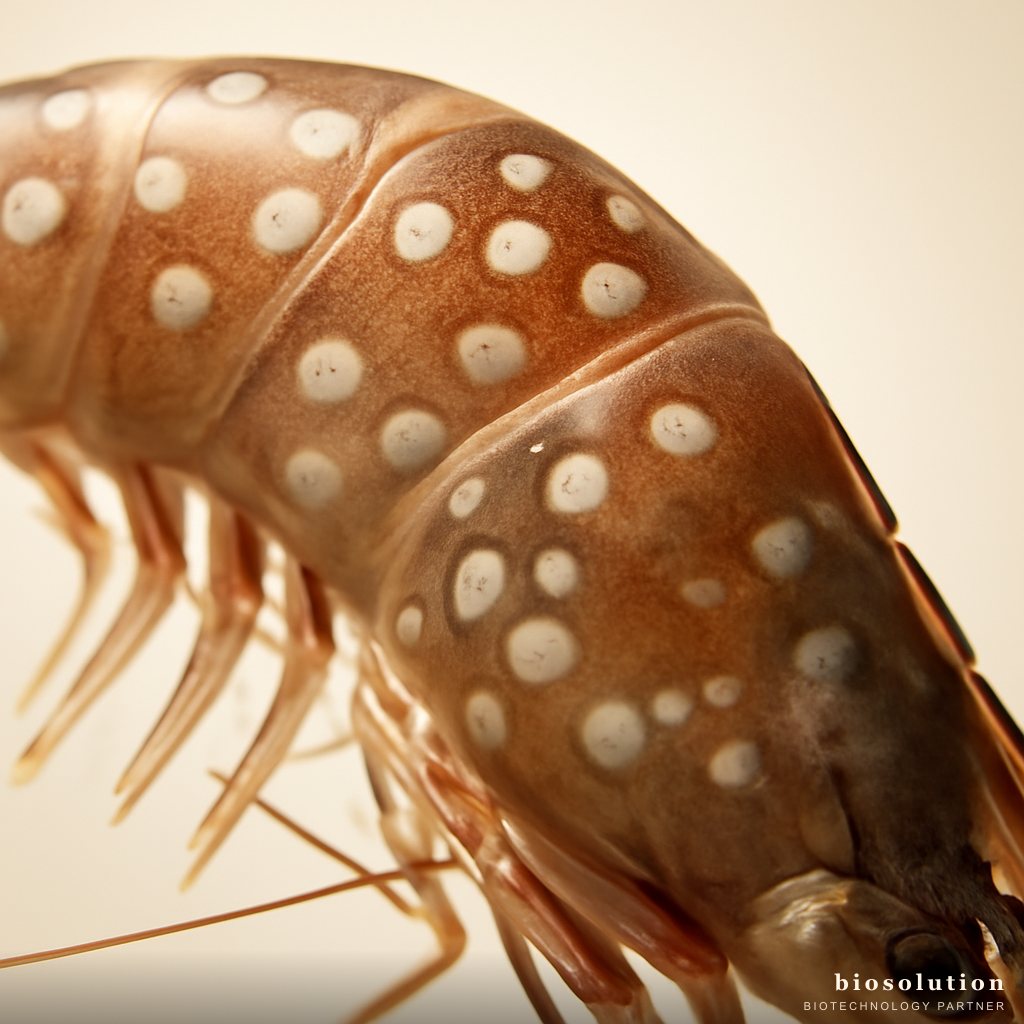
Vibriosis is usually triggered by stress in shrimp due to fluctuations in water parameters. When ammonia is high, pH is extreme, or oxygen is low, the shrimp's immune system declines. Vibrio that was once commensal becomes opportunistic pathogens. Shrimp show symptoms such as red spots on the carapace, dullness, decreased appetite, and mass mortality. Therefore, daily monitoring is not just a routine but a vital early detection strategy.
Ammonia Monitoring: The Main Source of Shrimp Stress
Ammonia (NH₃) is a nitrogenous waste from shrimp metabolism and decomposition of organic matter. In its un-ionized form (NH₃), ammonia is highly toxic to shrimp, even at concentrations >0.1 mg/L. High ammonia causes gill damage, osmoregulatory disruption, and suppresses immune response.
Relationship Between Ammonia and Vibrio
Vibrio bacteria utilize ammonia as a nitrogen source. The higher the ammonia, the faster Vibrio multiplies. Additionally, ammonia also alters water pH, which will be discussed next. Therefore, keeping ammonia below 0.1 mg/L is an absolute target. This can be achieved by:
- Reducing excess feed (adjust feeding rate)
- Using heterotrophic probiotics such as Bacillus that break down ammonia
- Performing water circulation or adding nitrifying bacteria
Water pH: A Fragile Balance
Ideal pond water pH ranges from 7.5 to 8.5. Sharp pH fluctuations, such as a drastic drop after rain or a rise due to excessive photosynthesis, stress shrimp. Pathogenic Vibrio is more aggressive at pH below 7.0 or above 9.0.
Daily pH Monitoring
Measure pH twice daily (morning and afternoon). A pH difference of more than 0.5 indicates instability. pH drops often occur due to CO₂ accumulation from nighttime respiration or ammonia oxidation. Drastic pH increases due to phytoplankton blooms can cause dissolved oxygen fluctuations. Stabilize pH by:
- Liming (CaCO₃) if pH is low
- Reducing phytoplankton density through plankton management
- Adequate aeration to remove CO₂
Dissolved Oxygen (DO): The Lifeblood of Vaname Shrimp
Vaname shrimp require dissolved oxygen of at least 4 mg/L. Low DO (<3 mg/L) causes hypoxia, reduces appetite, and increases susceptibility to Vibrio infection. Under low DO conditions, anaerobic bacteria including certain Vibrio thrive.
Strategies to Maintain DO
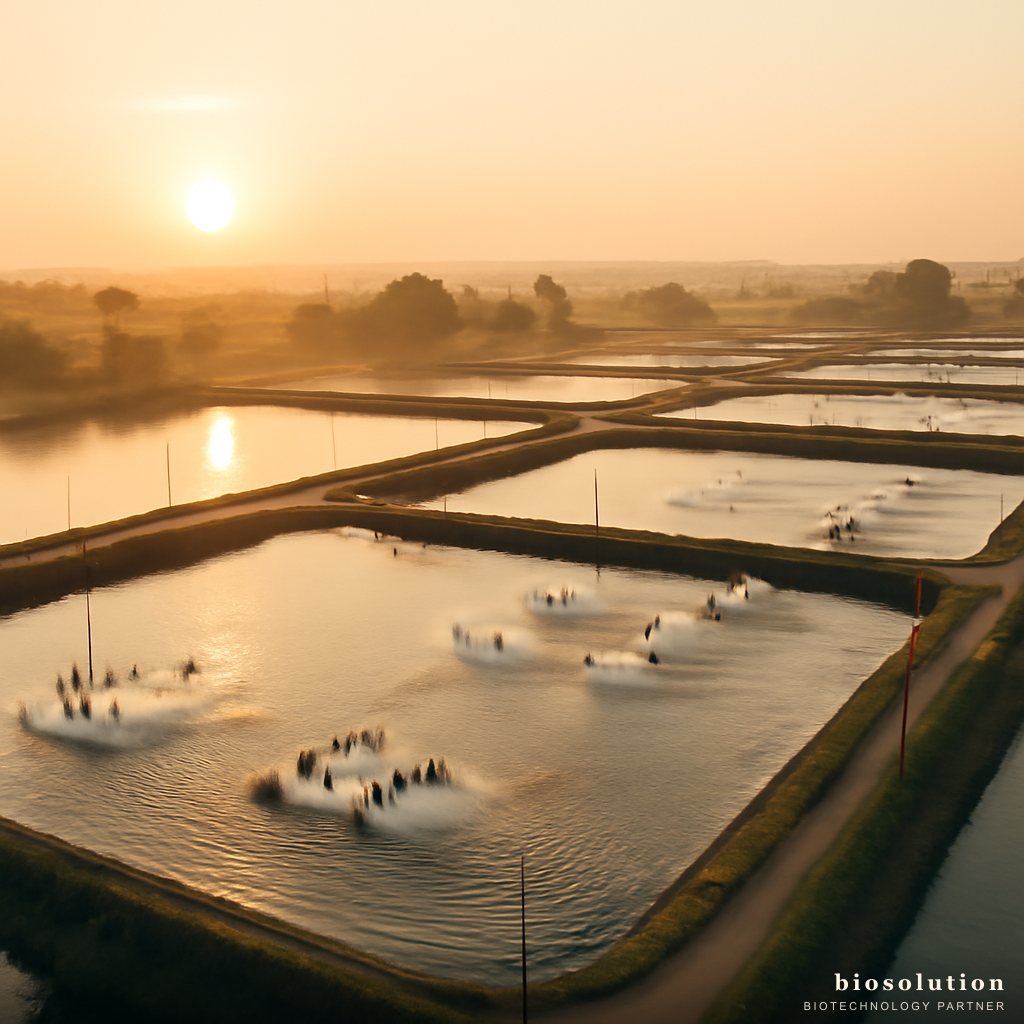
Mechanical aeration (paddlewheels) is key. Ensure aeration capacity matches biomass. DO can be monitored using a portable oximeter. Critical times are early morning (due to cessation of photosynthesis) and after feeding. If DO drops, immediately:
- Increase paddlewheels or emergency aeration
- Temporarily reduce feed
- Apply aerobic probiotics such as Bacillus that help break down organic matter without consuming oxygen
Salinity: Osmotic Stability of Shrimp
Vaname shrimp tolerate salinity of 5-35 ppt, but sudden changes >5 ppt per day cause stress. Vibrio more easily infects at low salinity (<15 ppt) due to disrupted osmotic pressure in shrimp.
Salinity Management
Daily salinity monitoring is important, especially during the rainy season. Incoming freshwater drastically lowers salinity. Anticipate by:
- Creating a freshwater reservoir to regulate inflow
- Adding seawater or salt if salinity drops drastically
- Using probiotics that work optimally within specific salinity ranges
Table of Ideal Water Parameters for Intensive Vaname Ponds
| Parameter | Ideal Range | Critical Limit |
|---|---|---|
| Temperature | 28-31°C | <26°C or >33°C |
| pH | 7.5-8.5 | <7.0 or >9.0 |
| DO | >4 mg/L | <3 mg/L |
| Ammonia (NH₃) | <0.1 mg/L | >0.3 mg/L |
| Salinity | 15-25 ppt | Change >5 ppt/day |
| Alkalinity | >100 mg/L CaCO₃ | <60 mg/L |
Emergency Solution: Anti-Vibrio Pond Formula
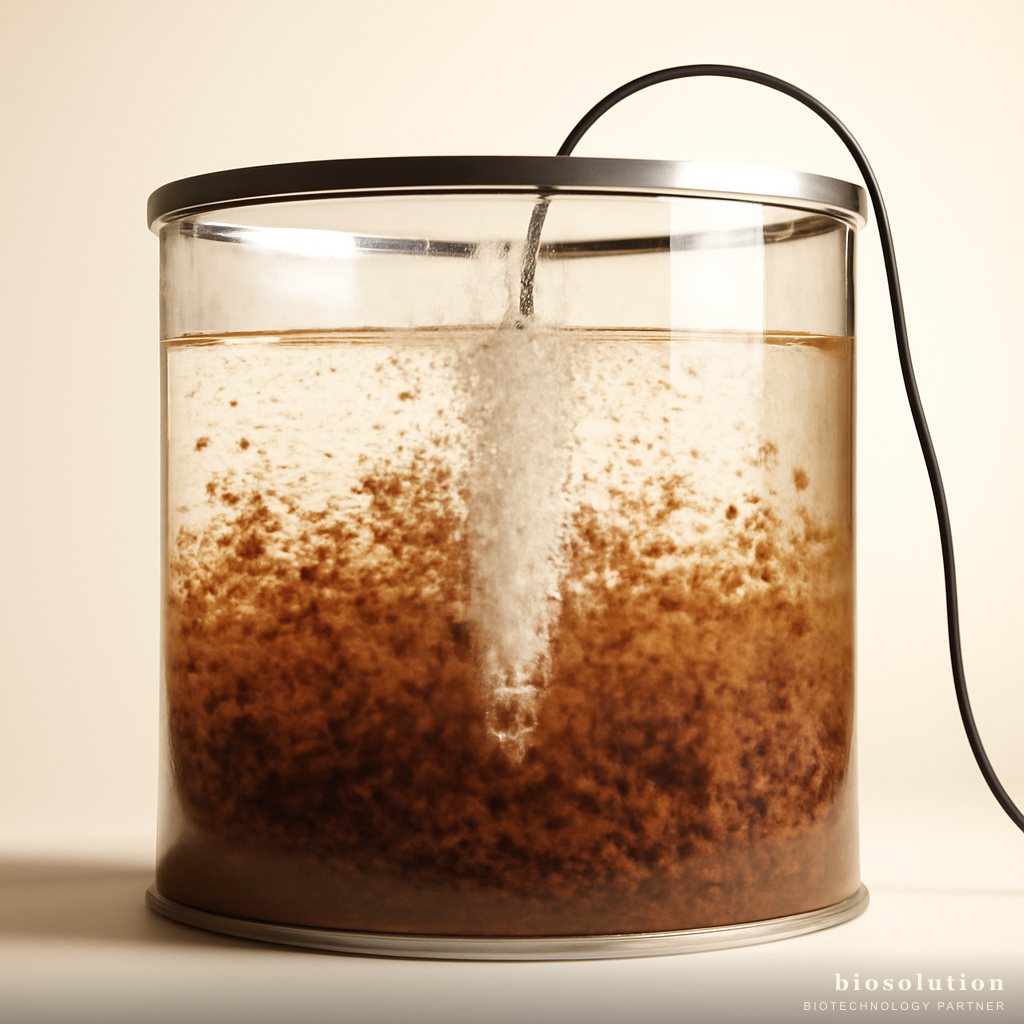
Even with monitoring and prevention, vibriosis attacks can still occur. When Vibrio populations exceed the threshold (e.g., >10⁴ CFU/mL), rapid action is needed. Anti-Vibrio Pond Formula for Vaname Shrimp (Emergency) from Biosolution is a knockdown solution specifically formulated for emergency conditions.
Ingredients and Mechanism
This product contains two beneficial bacteria in high concentrations:
- Bacillus subtilis (10x): This strain produces antibacterial compounds such as subtilin and surfactin that directly kill pathogenic Vibrio. The 10x concentration ensures a rapid knockdown effect.
- Bacillus licheniformis: This bacterium produces protease, amylase, and lipase enzymes that degrade organic matter, while also producing antibiotic compounds that suppress Vibrio growth.
Application Method
- Dosage: 10 liters per hectare (shock treatment)
- Method: Broadcast directly into the pond in the morning
- Frequency: Single application; repeat after 48 hours if necessary
Advantages
- Rapid Vibrio knockdown within 24-48 hours
- Prevents mass mortality
- Accelerates shrimp recovery
- Emergency grade, safe for shrimp and environment
For more information, consult with Biosolution's technical team via WhatsApp or see the product Anti-Vibrio Pond Formula.
Conclusion
Vibriosis in vaname shrimp ponds can be prevented by daily monitoring of water parameters: ammonia, pH, dissolved oxygen, and salinity. By keeping parameters within ideal ranges, the risk of Vibrio outbreaks can be minimized. However, if an attack occurs, Anti-Vibrio Pond Formula from Biosolution is an effective emergency solution. Combine routine monitoring with preventive probiotics such as Vaname Shrimp Pond Probiotic Formula for optimal results.
FAQ
1. What is the main cause of vibriosis in vaname shrimp?
The main cause of vibriosis is Vibrio spp. bacteria, especially Vibrio harveyi and V. parahaemolyticus. Triggering factors include declining water quality (high ammonia, extreme pH, low DO, fluctuating salinity), high stocking density, and shrimp stress. Routine water parameter monitoring can prevent Vibrio population explosions.
2. What is the ideal frequency for water parameter monitoring?
Water parameter monitoring should be done daily, at least twice (morning and afternoon). Critical parameters such as ammonia, pH, DO, and salinity need to be measured directly. For intensive ponds, it is recommended to use automatic monitoring devices or at least accurate test kits.
3. How does the Anti-Vibrio Pond Formula work?
This formula contains Bacillus subtilis (10x concentration) and Bacillus licheniformis. B. subtilis produces antibacterial compounds that directly kill Vibrio, while B. licheniformis degrades organic matter and inhibits Vibrio growth through antibiosis. The dosage of 10 L/ha is applied in the morning for a rapid knockdown effect.
4. Can probiotics be used together with antibiotics?
It is best not to. Probiotics contain live bacteria that can be disrupted by antibiotics. If antibiotics must be used, allow a gap of at least 48 hours after probiotic application. However, for vibriosis, probiotics such as Bacillus are more recommended because they leave no residue and are safe for the environment.
5. How long does recovery take after applying the Anti-Vibrio Formula?
Typically, within 24-48 hours after application, Vibrio populations decrease drastically and shrimp begin to show improved appetite. Full recovery depends on the initial condition of the shrimp and water quality. Ensure water parameters remain optimal to speed up recovery.