WSSV White Spot Disease in Shrimp: Chemical vs Microbial Costs
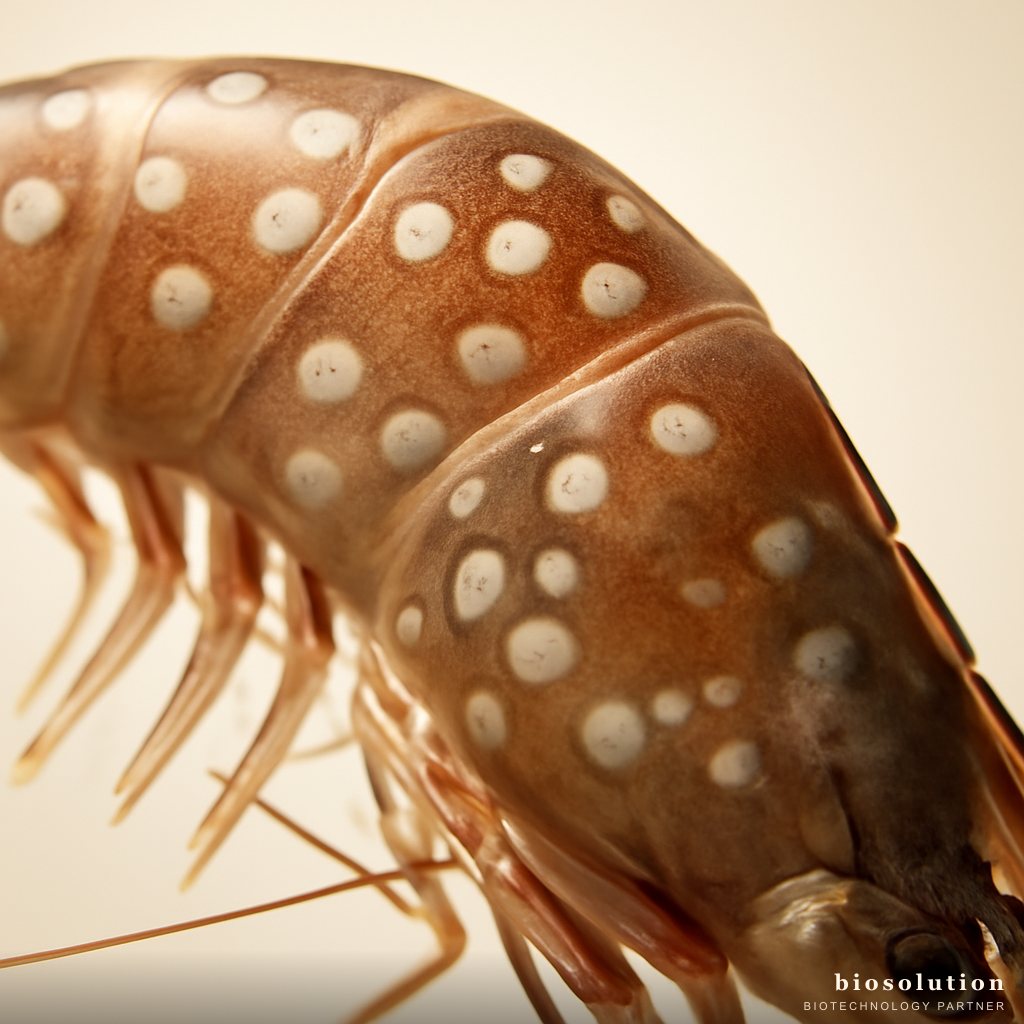
WSSV (White Spot Syndrome Virus) is a nightmare for vaname shrimp farmers. This virus can cause mass mortality of up to 100% in a short time, threatening the sustainability of shrimp farming. So far, WSSV risk management has often relied on chemicals such as disinfectants and antibiotics. However, escalating costs and negative impacts on the environment and shrimp health are driving the search for alternatives. A microbial-based approach, particularly anti-Vibrio probiotics, is being considered as a more economical and sustainable solution. This article will thoroughly examine the cost comparison between chemical and microbial methods in managing WSSV risk in vaname shrimp ponds.
Cost of WSSV Management with Chemical Methods
The use of chemicals in shrimp ponds has become common practice, especially when facing the threat of outbreaks. However, the costs incurred are not only direct but also hidden.
Direct Costs: Disinfectants and Antibiotics
To prevent WSSV, farmers often use disinfectants such as chlorine, formalin, or quaternary ammonium compounds. The cost per application can reach IDR 500,000–1,000,000 per hectare per week. If an outbreak occurs, antibiotics such as oxytetracycline or enrofloxacin are given through feed, with additional costs of IDR 200,000–500,000 per kg of feed. In one cultivation cycle (90–110 days), total chemical costs can reach IDR 5–10 million per hectare, depending on application frequency.
Indirect Costs: Resistance and Environmental Impact
Repeated use of antibiotics triggers bacterial resistance, including Vibrio, which is a secondary trigger for WSSV. As a result, doses must be increased, and costs escalate. Additionally, chemical residues pollute the environment, killing plankton and beneficial microbes, thereby reducing water quality. Shrimp become stressed, immunity decreases, and the risk of viral infection increases. Environmental recovery costs (e.g., water replacement, probiotic addition) are also significant.
Case Study: Chemical Failure
A study in East Java (2023) noted that ponds relying on chemical disinfectants experienced 70% shrimp mortality during a WSSV outbreak, with total losses of IDR 50 million per hectare. Chemical treatment costs only prolonged the time to death, not saving the harvest.
Microbial Approach: Anti-Vibrio Probiotics
Microbial probiotics, such as Bacillus subtilis and Bacillus licheniformis, offer a different mechanism. They do not directly kill the virus but strengthen shrimp immunity and suppress Vibrio populations that exacerbate infection.
Mechanism of Probiotic Action
Bacillus subtilis (10x) and Bacillus licheniformis work through several ways:
- Antibiosis: Producing antimicrobial compounds that inhibit Vibrio.
- Competition: Competing for nutrients with pathogenic bacteria.
- Immunostimulation: Triggering nonspecific immune responses in shrimp through activation of hemocytes and immune enzymes.
- Bioremediation: Degrading harmful organic compounds (ammonia, nitrite) that cause stress.
Featured Product: Anti-Vibrio Formula for Vaname Shrimp Ponds (Emergency)
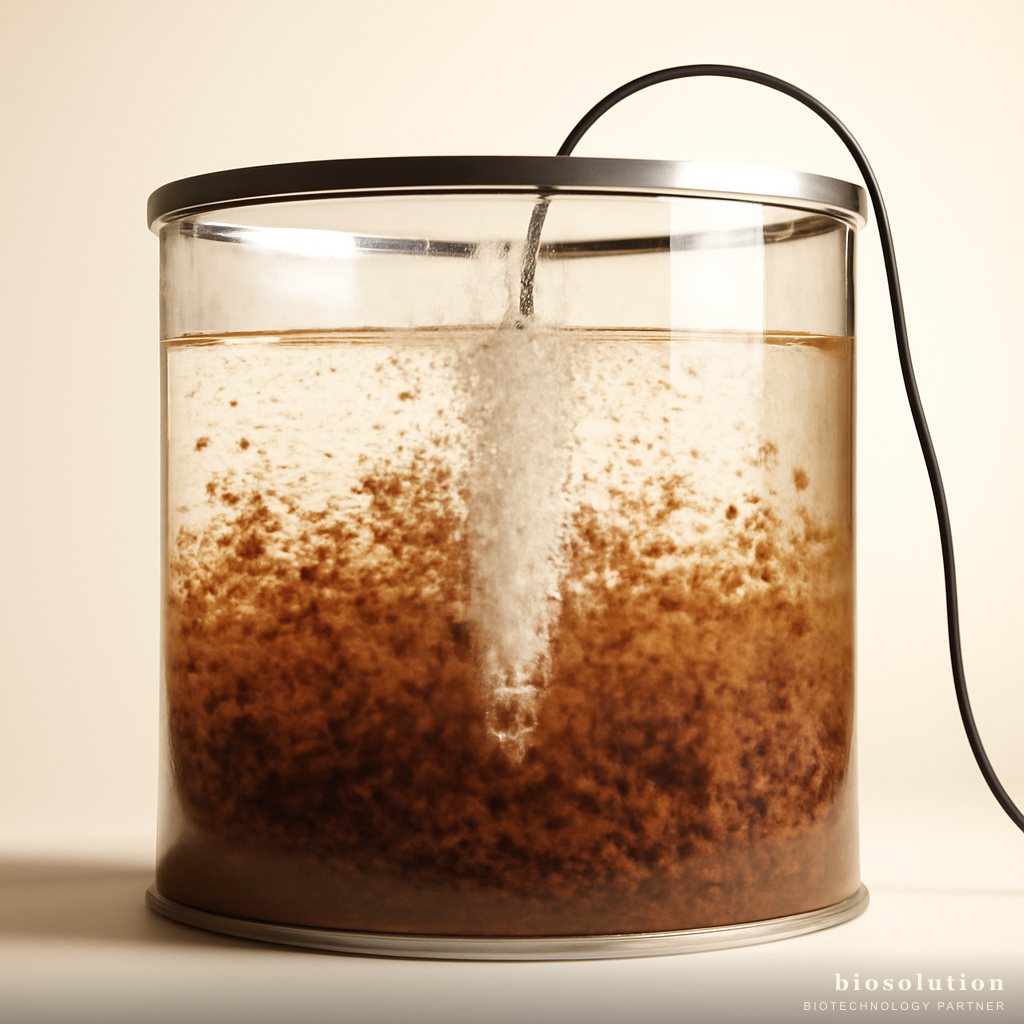
Biosolution presents Anti-Vibrio Formula for Vaname Shrimp Ponds (Emergency) with a composition of high-concentration Bacillus subtilis (10x) and Bacillus licheniformis. This product is designed for emergency situations when Vibrio populations surge and WSSV risk is high. Application dose: 10 L per hectare, broadcast directly in the morning. If necessary, repeat after 48 hours. Advantages: rapid Vibrio knockdown, prevents mass mortality, and accelerates shrimp recovery.
Cost Comparison: Chemical vs Microbial
For an objective comparison, we calculate the cost per hectare per cycle (100 days) for vaname ponds with a density of 100 shrimp/m².
Chemical Method Costs
- Disinfectant (chlorine 10 ppm): IDR 800,000/week x 14 weeks = IDR 11,200,000
- Antibiotics (2 administrations @ 5 days): IDR 500,000/kg x 10 kg = IDR 5,000,000
- Labor and application costs: IDR 2,000,000
- Total: IDR 18,200,000
Microbial Method Costs (Probiotics)
- Routine probiotic (maintenance): 5 L/week x IDR 100,000/L x 14 weeks = IDR 7,000,000
- Emergency Anti-Vibrio Formula (1-2 applications): 10 L x IDR 150,000/L = IDR 1,500,000 (1x) or IDR 3,000,000 (2x)
- Labor costs: IDR 500,000
- Total: IDR 9,000,000 – IDR 10,500,000
Cost Efficiency
The microbial approach saves 42–50% in costs compared to chemicals. However, the biggest advantage is in harvest success rate. Probiotics not only prevent WSSV but also improve water quality, so shrimp grow healthier. Field data show that ponds with probiotics have a survival rate (SR) of 80–90%, while chemicals only achieve 50–70% during disease pressure.
Why Microbes Are More Economical in the Long Run?
In addition to lower direct costs, the microbial approach provides long-term benefits:
- Prevents resistance: No selection of resistant bacteria.
- Improves pond ecosystem: Beneficial microbes dominate, nitrogen cycle stabilizes.
- Reduces harvest failure risk: Shrimp are more resistant to stress and infection.
- Environmentally friendly: Leaves no harmful residues.
Case Study: Pond in Lampung
A farmer in South Lampung switched from chemicals to probiotics after suffering losses due to WSSV. By using Anti-Vibrio Formula for Vaname Shrimp Ponds (Emergency) at the onset of symptoms, he managed to save 85% of his shrimp. Treatment costs were only IDR 3 million, far lower than the IDR 70 million loss if using chemicals.
Effective Application of Anti-Vibrio Formula
For maximum results, follow these guidelines:
- Early detection: Monitor Vibrio using TCBS media. If the count is >10⁴ CFU/mL, apply immediately.
- Application time: Morning (06:00–08:00) when water temperature is still low, aeration on.
- Dosage: 10 L/ha, spread evenly over the entire pond surface.
- Monitoring: Evaluate after 48 hours. If Vibrio has not decreased, repeat the same dose.
- Routine prevention: Use Probiotic Formula for Vaname Shrimp Ponds regularly to maintain microbial balance.
Conclusion
Managing WSSV risk in vaname shrimp with a microbial approach is proven to be more economical, effective, and sustainable compared to chemical methods. Direct costs are 40–50% lower, and long-term benefits of a healthy pond environment reduce harvest failure risk. Anti-Vibrio Formula for Vaname Shrimp Ponds (Emergency) from Biosolution is the right solution for emergency situations, providing rapid protection without negative side effects. For further consultation, contact our technical team via WhatsApp. Protect your pond with smart microbial solutions.
This article is supported by data from FAO and the Ministry of Marine Affairs and Fisheries.