5 Common Mistakes in Applying Anti-Fusarium Wilt for Tomatoes
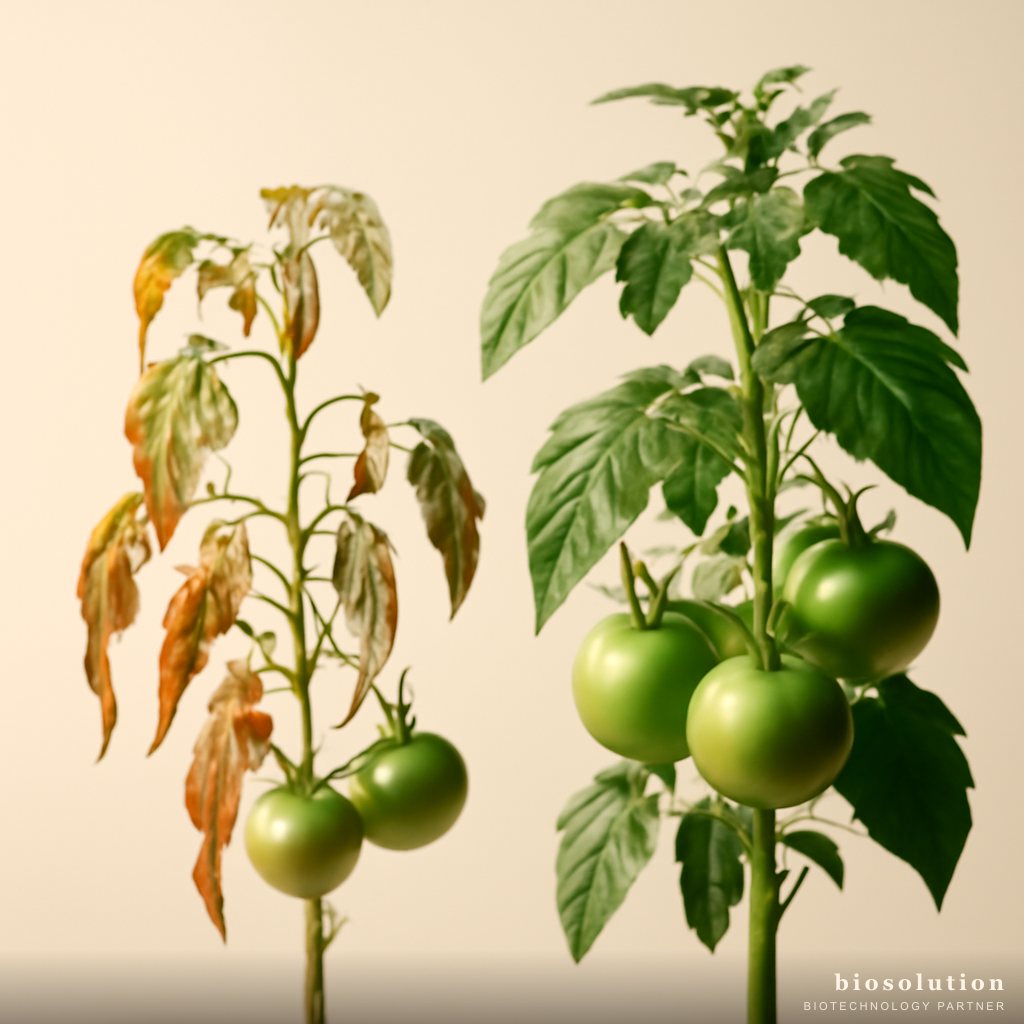
Fusarium wilt caused by Fusarium oxysporum is one of the most damaging soil-borne diseases in tomato and chili plants. In Indonesia, yield losses due to this pathogen can reach 30–70% during the rainy season. Many farmers have switched to biological control using antagonistic agents such as Trichoderma harzianum, Gliocladium virens, and Pseudomonas fluorescens as anti-fusarium wilt for tomatoes. However, field results are often suboptimal. Why? It turns out that application errors are the main factor in failure. This article will discuss the 5 most common mistakes and how to fix them for successful control of Fusarium wilt in tomatoes and chilies.
1. Dosage Error: Too Little or Too Much
One of the most critical mistakes is incorrect dosage when applying biological agents. Many farmers think "the more the better" or conversely, use too low a dose due to cost concerns. In fact, each product has a recommended dosage that has been tested for effectiveness.
Why is Dosage Important?
Biological agents like Trichoderma harzianum work through mycoparasitism and competition. If the dosage is too low, the antagonist population is insufficient to keep up with the growth of Fusarium oxysporum in the rhizosphere. Conversely, excessive dosage does not always increase effectiveness; it can cause waste and potential phytotoxicity at very high concentrations.
Recommended Correct Dosage
For the Anti-Fusarium Wilt Formula product from Biosolution, the recommended dosage is 5 ml per liter of water. Application is done by root drenching or mixing with soil at planting. Make sure to use accurate measuring tools, such as a measuring cup or measuring spoon, not just eye estimates. If your land is large, calculate the total requirement based on spray volume per plant. Consistency in dosage for each application (every 14 days) is crucial to maintain the antagonist population above the control threshold.
2. Incorrect Application Timing: Too Late or Wrong Phase
The second mistake is choosing the wrong application time. Many farmers only use biological agents after plants show wilting symptoms. Unfortunately, by then the pathogen has already entered the vascular tissue, and biological agents that work preventively or in the rhizosphere cannot reach it.
Ideal Application Timing
Biological agents like Pseudomonas fluorescens and Gliocladium virens are most effective when applied before or as the pathogen begins to attack the roots. The best times are:
- At planting: mix with soil or drench into the planting hole.
- Early vegetative phase (10–14 days after planting): repeat drench application.
- Continue every 14 days until the generative phase.
Do not wait for symptoms to appear! The principle of biological control is prevention, not cure. If plants are already wilted, biological agents can only help slow the disease, not fully cure it.
3. Wrong Application Method: Drench vs. Foliar Spray
The third mistake is using an application method that does not target the right area. Fusarium oxysporum is a soil-borne pathogen that infects roots. Therefore, biological agents must be placed in the root zone, not on the leaves. Many farmers spray biological agents on leaves like chemical fungicides, but this method is ineffective.
Correct Method: Root Drench and Soil Mix
- Root drench: Dissolve 5 ml of product per liter of water, then pour it around the base of the stem or root zone. Volume per plant is about 200–300 ml.
- Soil mix: At planting, mix the solution with soil in the planting hole before placing the seedling.
The drench method ensures that the biological agents directly contact the pathogen in the soil. Trichoderma harzianum will grow around the roots and form a biological shield. Pseudomonas fluorescens produces siderophores that bind iron, depriving Fusarium of nutrients. If only sprayed on leaves, these benefits are not achieved.
4. Ignoring Environmental Conditions: Soil Temperature and Moisture
The fourth mistake is not considering environmental factors that affect the performance of biological agents. Trichoderma and Pseudomonas are living microorganisms that require specific conditions to thrive.
Critical Environmental Factors
- Soil temperature: Optimal at 25–30°C. Temperatures too high (>35°C) or too low (<15°C) reduce viability.
- Soil moisture: Biological agents need adequate moisture but not waterlogging. Soil that is too dry prevents spore germination; too wet causes oxygen deficiency.
- Soil pH: Ideally neutral to slightly acidic (pH 5.5–7.0).
Practical Tips
Application should be done in the morning or late afternoon when temperatures are not too hot. Ensure the soil is sufficiently moist before application. During the dry season, water the plants first to moisten the soil, then drench with the biological agent. Avoid application during heavy rain as the agents will be washed away.
5. Lack of Consistency: One-Time Application Then Stop
The last and most fatal mistake is applying only once. Some farmers complain that biological agents are ineffective, even though they only applied them once at planting and never repeated. Biological agents are not chemical pesticides that kill instantly; they work biologically and need time to build up their population.
Recommended Application Frequency
The Anti-Fusarium Wilt Formula product is recommended to be applied every 14 days. Why? Because the population of antagonistic agents in the soil decreases over time due to competition with other microbes, water leaching, or degradation. With regular applications, the population is maintained and can suppress Fusarium sustainably.
Integration with Cultivation Practices
In addition to regular applications, support control with:
- Crop rotation with non-solanaceous plants (e.g., legumes, corn).
- Use of plastic mulch to reduce soil splashing.
- Sanitation of agricultural tools.
- Balanced fertilization (avoid too much nitrogen).
Conclusion
Controlling Fusarium wilt in tomatoes and chilies using biological agents such as Trichoderma harzianum, Gliocladium virens, and Pseudomonas fluorescens is very effective if done correctly. Avoid the five common mistakes: incorrect dosage, late application timing, wrong method, ignoring environmental conditions, and lack of consistency. By following the recommended dosage of 5 ml/L, root drench application every 14 days from planting, and paying attention to soil conditions, you can significantly suppress this disease.
For optimal results, use the Anti-Fusarium Wilt Formula product from Biosolution, specially formulated with a combination of three superior antagonistic agents. Get the product at Anti-Fusarium Wilt Formula. If you have questions about application, consult our team via WhatsApp. Together with Biosolution, realize healthy and productive agriculture.
FAQ
1. What is the main cause of Fusarium wilt in tomatoes?
Fusarium wilt is caused by the fungus Fusarium oxysporum that lives in the soil and infects plant roots. The pathogen enters through root wounds and clogs the xylem vessels, preventing water and nutrients from being transported to the leaves. As a result, plants wilt, leaves turn yellow, and eventually die. This disease often appears during the rainy season or in moist soil.
2. What is the dosage of Anti-Fusarium Wilt Formula per plant?
The recommended dosage is 5 ml per liter of water. For drench application, use 200–300 ml of solution per plant (depending on size). For a 1000 m² area with 2000 plants, you need about 10 liters of product (2000 plants × 5 ml = 10,000 ml = 10 liters). Always use measuring tools for consistency.
3. Are biological agents safe for humans and animals?
Yes, biological agents such as Trichoderma and Pseudomonas fluorescens (non-pathogenic strains) are safe for humans, animals, and the environment. These products leave no harmful residues and are suitable for organic farming. However, avoid direct contact with eyes or open wounds, and wash hands after application.
4. Can Anti-Fusarium Wilt Formula be mixed with fertilizers or pesticides?
It is best not to mix with chemical fungicides as they can kill the biological agents. Organic fertilizers or biofertilizers are generally compatible. If in doubt, do a small test: mix a small amount of product with the other material, let it sit for 1 hour; if no clumping or color change occurs, it is likely safe. Always consult an expert.
5. When is the best time for preventive application?
The best time is at planting (drench or soil mix) and repeated every 14 days during the vegetative phase. If the soil is already infested with Fusarium, earlier application is crucial. Do not wait for symptoms; carry out regular prevention.