Anti Coffee Berry Borer CBB: Recognize and Control Hypothenemus hampei Smartly
Specialty coffee is Indonesia's export prima donna. However, one small pest called Hypothenemus hampei or Coffee Berry Borer (CBB) can destroy the quality and market value of your coffee in an instant. CBB attack causes coffee beans to have holes, downgrade, and produce defective flavors. To maintain specialty coffee quality, farmers must thoroughly understand the life cycle, symptoms, economic threshold, and effective control strategies. This article will discuss technically and journalistically how to control Hypothenemus hampei coffee berry borer with a biological approach using Anti-Coffee Berry Borer Formula from Biosolution.
Recognizing Hypothenemus hampei: Life Cycle of the Coffee Berry Borer
Hypothenemus hampei (Coleoptera: Curculionidae) is a small beetle measuring 1.5–1.8 mm that is the most damaging pest of coffee plants worldwide. Its life cycle takes place inside the coffee berry, from egg to adult, making early detection difficult.
Eggs and Larvae: Adult females bore a hole into coffee berries that are still green to red, usually from the berry tip (stylar end). After entering, they lay 30–50 eggs inside the tunnel. Eggs hatch in 5–9 days into larvae that immediately feed on the seed endosperm.
Pupae and Adults: Larvae develop through 3 instars over 10–26 days, then pupate inside the berry. New adults emerge 4–9 days later. One generation is completed in 24–36 days depending on temperature and humidity. In a year, CBB can have 8–10 overlapping generations, so populations explode quickly if not controlled.
Behavior: Females actively fly in the afternoon searching for coffee berries to infest. They are attracted to certain volatile compounds from ripening coffee berries. Once inside, females rarely exit, making contact insecticides difficult to reach them.
CBB Attack Symptoms: Recognize Early
CBB attack symptoms need to be recognized early for effective control. Here are signs to observe:
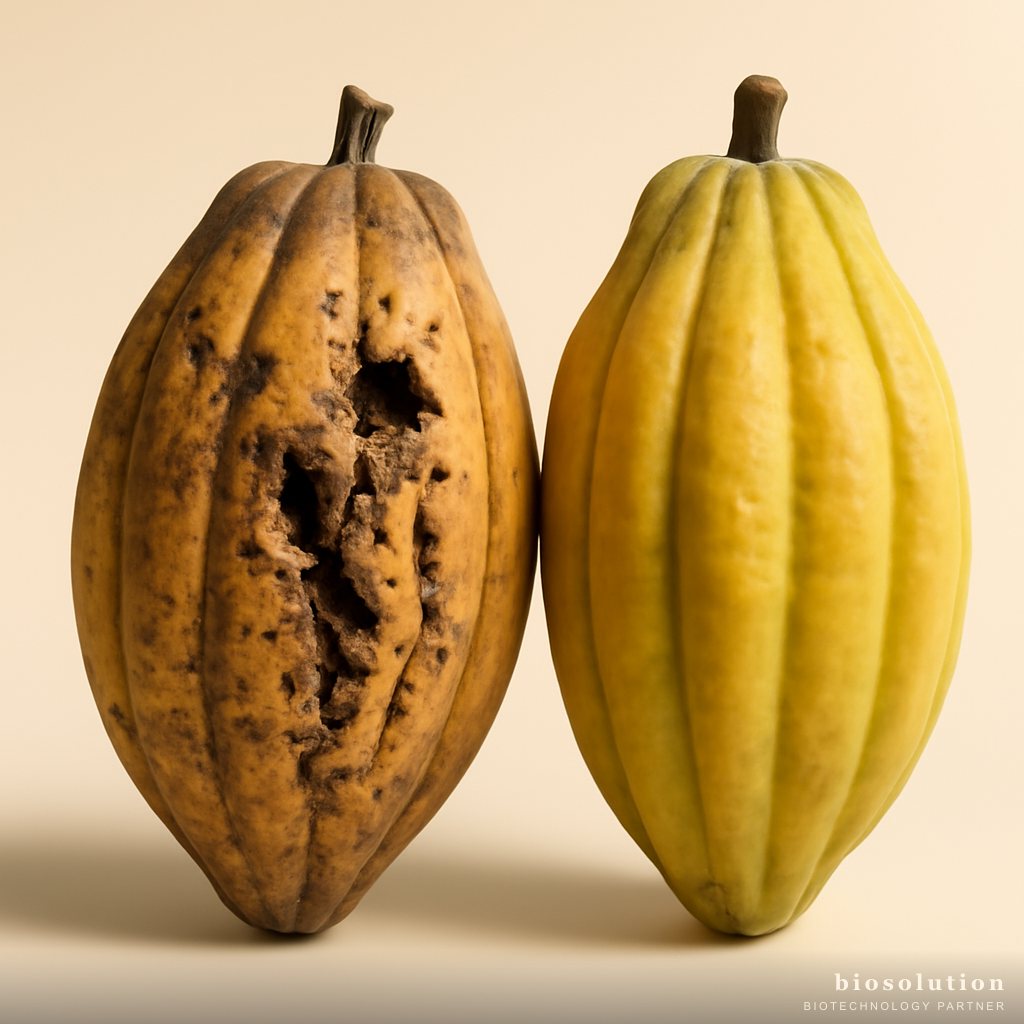
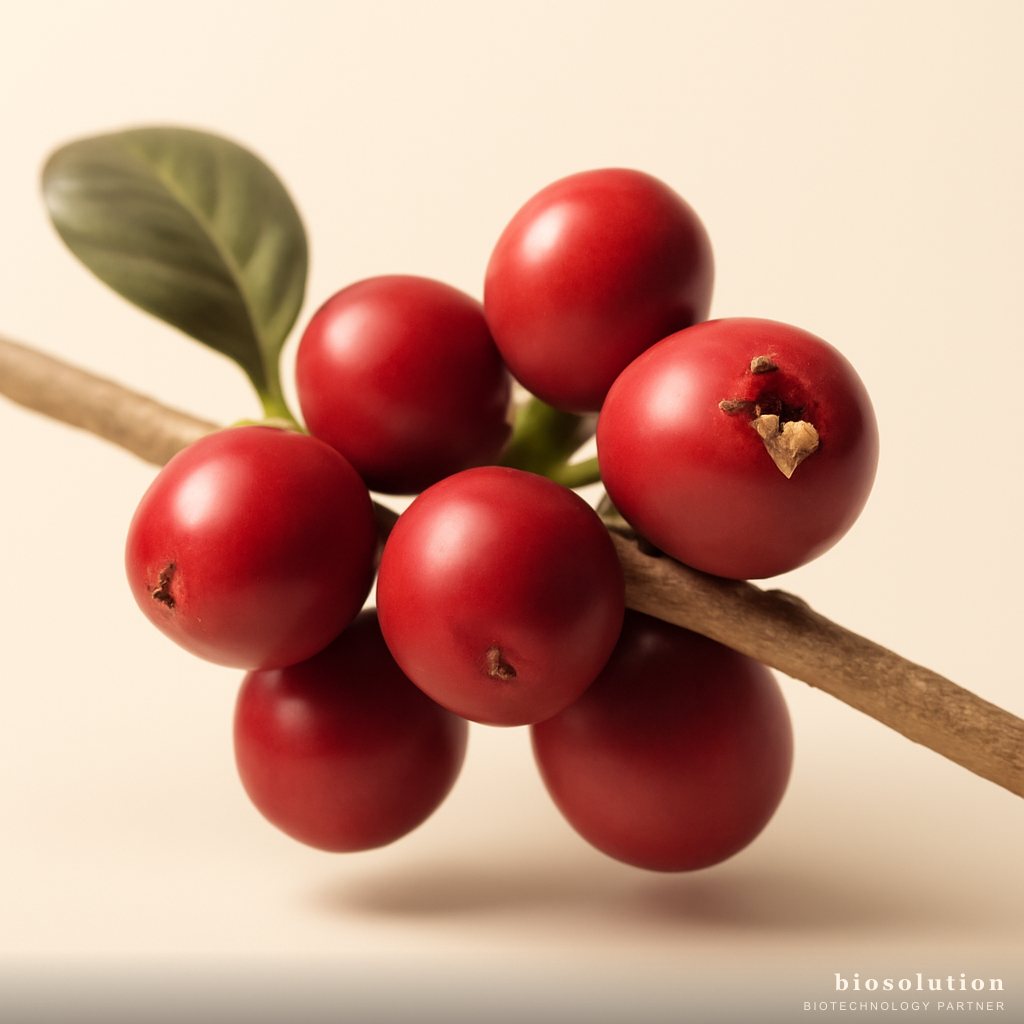
- Small bore holes at the berry tip (stylar end), often accompanied by dark brown frass.
- Premature berry drop due to tissue damage.
- Holey beans when peeled, with tunnels containing pest excrement.
- Decreased bean weight and coffee grade drops drastically (e.g., from Specialty to Commercial).
- Defective flavor such as stale, earthy, or fermented due to secondary microbial contamination entering through bore holes.
Early detection can be done by examining fallen berries and berry samples on the tree. The recommended economic threshold for specialty coffee is 2–3% infested berries at the green-red berry stage. If this threshold is exceeded, control measures must be taken immediately.
Economic Threshold and Integrated Pest Management Strategy
The economic threshold for CBB in specialty coffee is stricter than for commercial coffee. In specialty coffee, damage tolerance is very low because every damaged bean lowers the cupping score. Therefore, the economic threshold is set at 2–3% infested berries in the pre-harvest phase.
Integrated pest management (IPM) strategies include:
- Cultural practices: Pruning, shade management, and sanitation of fallen berries to reduce infestation sources.
- Biological control: Using natural enemies such as entomopathogenic fungi Beauveria bassiana and Metarhizium anisopliae, which are environmentally safe and leave no residue on beans.
- Chemical control: Only as a last resort if the economic threshold is exceeded, using selective insecticides that do not harm natural enemies.
- Monitoring: Installing pheromone traps to monitor population and timing of applications.
Biological Solution: Formulation of Beauveria bassiana and Metarhizium anisopliae
Biosolution presents Anti-Coffee Berry Borer Formula containing two superior entomopathogenic fungi: Beauveria bassiana and Metarhizium anisopliae. Both fungi work synergistically to infect and kill CBB at various life stages.
Mode of Action:
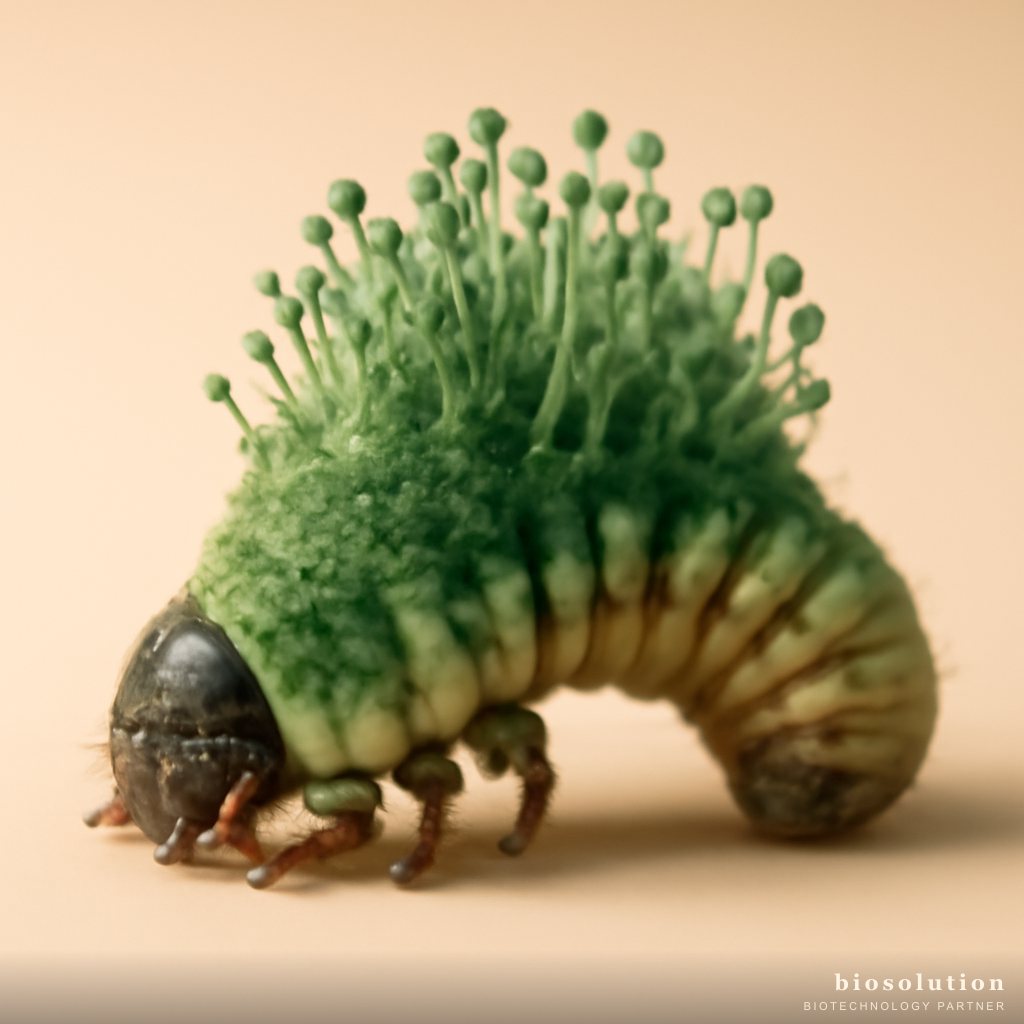
- Beauveria bassiana infects through direct contact. Conidia attach to the insect cuticle, germinate, and penetrate the body. The fungus produces beauvericin toxin that paralyzes the pest's immune and nervous systems. Within 3–7 days, the pest dies and its body becomes a mummy overgrown with white mycelium.
- Metarhizium anisopliae works similarly but is more effective under high humidity conditions and can infect larvae inside the berry. The combination increases efficacy to >80%.
Product Advantages:
- Residue-safe: Leaves no harmful chemicals on beans, suitable for specialty coffee exports requiring pesticide-free status.
- Does not disturb natural enemies such as parasitoids and predators.
- Can be applied close to harvest without consumer health risks.
- Maintains coffee grade due to minimal bean damage.
Proper Application for Maximum Results
For the Anti-Coffee Berry Borer Formula to work optimally, follow these application guidelines:
- Timing: Spray in the afternoon (3:00–5:00 PM) when CBB is actively flying and temperatures are not too hot.
- Dosage: 3 ml per liter of water. Dissolve in clean water, mix thoroughly.
- Frequency: Every 14 days during the green-red berry phase, starting when coffee berries are 4–6 weeks old until harvest.
- Method: Spray evenly over the entire tree canopy, especially the interior and around berries. Use a high-pressure sprayer for optimal penetration.
- Conditions: Avoid application during rain or strong wind. If rain occurs within 4 hours after application, repeat spraying.
Tips: Conduct routine monitoring with pheromone traps. If catches are high, increase application intensity to every 10 days.
Benefits of Biological Control for Specialty Coffee
Using biological control such as the Anti-Coffee Berry Borer Formula provides long-term benefits for specialty coffee farmers:
- Maintained quality: Coffee beans remain intact, without bore holes, resulting in high cupping scores.
- Increased market value: High-grade specialty coffee can fetch 2–3 times the price of regular coffee.
- Ecosystem sustainability: Natural enemy populations remain balanced, reducing secondary pest outbreaks.
- Organic certification: This product is suitable for organic and environmentally friendly farming.
- Export market acceptance: Free from chemical pesticide residues facilitates certifications such as Rainforest Alliance or Organic.
Conclusion
Controlling Hypothenemus hampei coffee berry borer requires a deep understanding of its life cycle, symptoms, and economic threshold. With a biological control approach using Beauveria bassiana and Metarhizium anisopliae, specialty coffee farmers can protect bean quality without harmful residues. Anti-Coffee Berry Borer Formula from Biosolution is a proven solution. For further consultation on dosage and application schedules suitable for your plantation conditions, contact the Biosolution technical team via WhatsApp. Get export-quality specialty coffee with smart biological protection.
References: Indonesian Coffee and Cocoa Research Institute (Puslitkoka) and FAO. For more information on CBB control, visit FAO Coffee Berry Borer management.