5 Common Mistakes in Applying Beauveria and Metarhizium Broad-Spectrum Biological Insecticides
Broad-spectrum biological insecticides are now a mainstay for modern farmers who want to reduce chemical residues on crops. Products based on Beauveria bassiana and Metarhizium anisopliae can control various soft-bodied insects and ground beetles with 80–85% efficacy. However, many field applications fail to achieve maximum potential due to technical errors. This article identifies five most common mistakes when applying these entomopathogens, based on product composition and mechanism of action data.
Mistake 1: Incorrect Application Timing
Low Humidity Kills Spores
Entomopathogens such as Beauveria bassiana and Metarhizium anisopliae require relative humidity (RH) >70% to germinate and penetrate the insect cuticle. Many farmers spray during the day when temperatures are high and RH is low, causing spores to die before they can infect pests. The best time is late afternoon towards dusk, when RH increases and UV light is minimal. Products at a dose of 2–3 ml per liter of water (or 3–5 g/L if WP form) should be applied under humid conditions.
Extreme Temperatures Reduce Viability
Spores are very sensitive to temperatures above 35°C. Application during the dry season at midday can reduce viability by up to 50% within 1 hour. Conversely, temperatures that are too cold (<15°C) slow mycelial growth. Ideally, application should be done at temperatures of 20–30°C with high RH.
Mistake 2: Spray Volume Too Low
Uneven Coverage
Biological insecticides work through direct contact of spores with the insect cuticle. Spray volume that is too low causes uneven coverage on the plant canopy, especially the underside of leaves where pests often hide. For mature plants, a minimum spray volume of 500–600 liters per hectare is needed to ensure every part is exposed to spores. Products at a concentration of 2–3 ml/L should be sprayed until the entire plant surface is evenly wet.
Droplets Too Large
Large droplets quickly fall to the ground, reducing deposit on the target. Use nozzles that produce fine droplets (200–300 microns) for optimal spore adhesion. A spray pressure of 40–60 psi is recommended.
Mistake 3: Mixing with Chemical Fungicides
Antagonism Kills Spores
Fungicides with active ingredients such as copper, sulfur, or triazoles are directly fungicidal to Beauveria and Metarhizium. Mixing them in the same tank will kill the spores before spraying. If fungicides must be used, allow a minimum interval of 3–4 days between fungicide and biological insecticide applications. These products are compatible with botanical insecticides or bacteria such as Bacillus thuringiensis, but avoid mixing with broad-spectrum chemical fungicides.
Extreme Water pH
Water with pH <5 or >8 can damage spores. Use clean water with pH 6–7. If necessary, add a buffer or low-dose citric acid to adjust pH.
Mistake 4: Inconsistent Application Frequency
Pest Life Cycle Not Suppressed
Entomopathogens require 3–7 days to kill the host, depending on the strain and environmental conditions. A single application is often insufficient because it only infects insects directly exposed to spores. New pest populations from eggs or migration can rebound. Application every 7–10 days when populations increase is needed to break the life cycle. Products with two strains provide a synergistic effect: B. bassiana attacks soft-bodied insects like caterpillars and planthoppers, while M. anisopliae is effective against beetles and grubs. With regular application, cumulative efficacy can reach >85%.
Not Monitoring Populations
Do not wait for heavy infestations. Conduct regular pest monitoring; apply when the control threshold is reached (e.g., 5% of plants infested). Preventive application at the start of the growing season is also effective in suppressing initial populations.
Mistake 5: Improper Storage and Handling
Spores Die Before Application
Biological products are sensitive to high temperatures and direct sunlight. Storing products in a car or hot warehouse for days can drastically reduce viability. Store in a cool (4–10°C) and dry place, avoiding UV exposure. Suspensions mixed with water must be applied within a maximum of 4–6 hours after mixing, as spores begin to germinate and lose virulence if left in water too long.
Not Using Protective Equipment
Although safe for humans, spores can irritate the respiratory tract if inhaled in large quantities. Use a mask, gloves, and goggles during application. Wash spray equipment after use to prevent cross-contamination with other products.
Conclusion
Broad-spectrum biological insecticides based on Beauveria bassiana and Metarhizium anisopliae offer an effective and environmentally friendly solution for pest control. However, their success depends heavily on correct application techniques. Avoid the five mistakes above: application during low humidity, insufficient spray volume, mixing with fungicides, inconsistent frequency, and improper storage. By applying proper practices, you can achieve 80–85% efficacy and chemical-free harvests.
For further consultation on broad-spectrum biological insecticide products, contact our technical team via WhatsApp. See product details Broad-Spectrum Biological Insecticide Formula for dosage and complete application instructions.
FAQ
What is a broad-spectrum biological insecticide?
A broad-spectrum biological insecticide is a pest control product that uses entomopathogenic microorganisms such as Beauveria bassiana and Metarhizium anisopliae to infect various types of insect pests, not just one species. This product is effective against caterpillars, planthoppers, beetles, grubs, and other soft-bodied insects, and is safe for natural enemies and the environment.
How do Beauveria bassiana and Metarhizium anisopliae work?
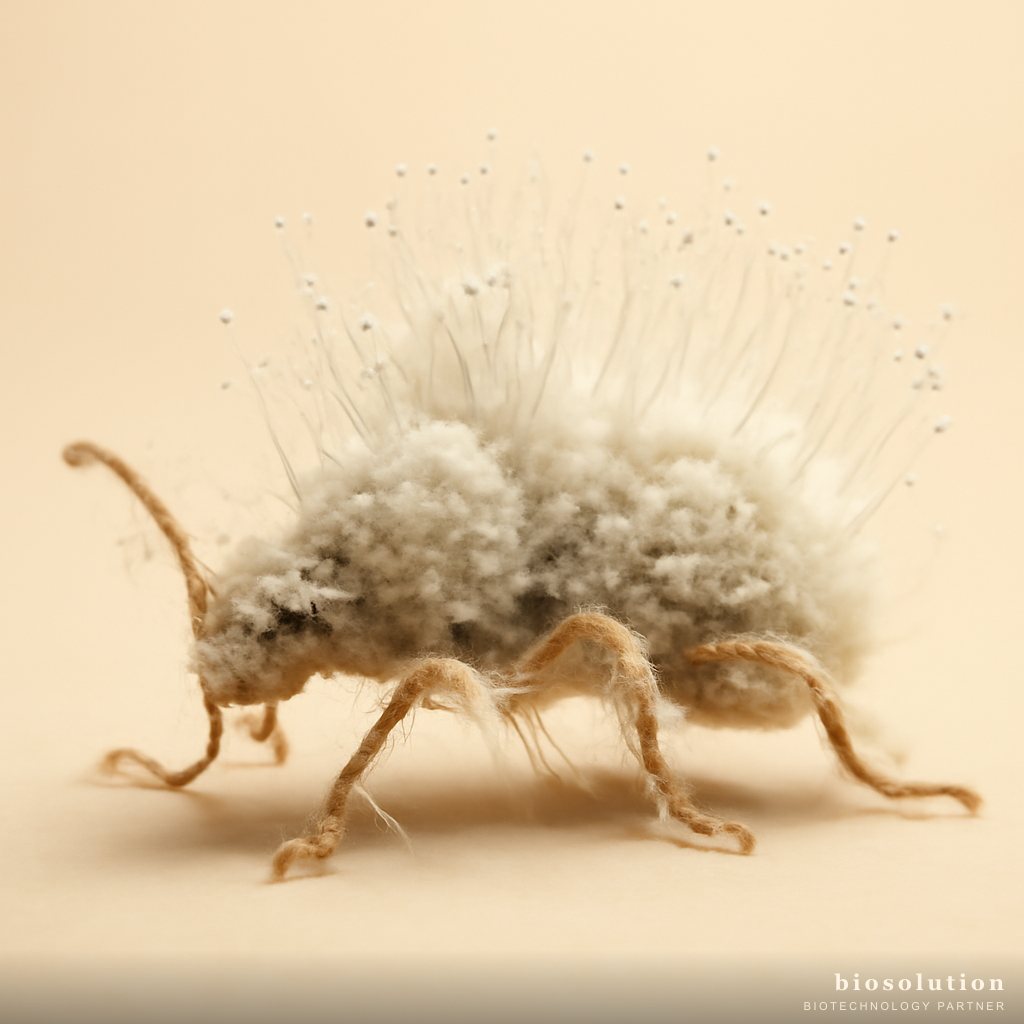
Spores of both fungi attach to the insect cuticle, then germinate and penetrate the host's body using enzymes (protease, chitinase). Inside the body, mycelium grows and produces toxins that kill the host within 3–7 days. After death, mycelium emerges and sporulates on the carcass, spreading new spores into the environment to infect other insects.
When is the best time to apply biological insecticides?
The best time is late afternoon (3:00–6:00 PM) when relative humidity is >70% and temperatures are not too hot. Avoid application during heavy rain as spores can be washed off. During the dry season, morning application can also be done as long as RH is still high.
Are biological insecticides safe for plants and humans?
Yes, these products are safe for plants, humans, pets, and non-target insects such as bees and natural predators. They leave no harmful residues on crops, making them suitable for organic farming and integrated pest management (IPM) programs.
What is the recommended dosage for application?
The dosage for liquid products is 2–3 ml per liter of water, while for WP (wettable powder) form it is 3–5 g per liter of water. Spray evenly over the entire plant canopy until wet. Repeat every 7–10 days if pest populations remain high. Ensure using clean water with pH 6–7.