5 Entomopathogen Application Mistakes in Integrated IPM Biocontrol
Integrated IPM (Integrated Pest Management) biocontrol is a strategic approach that synergistically combines various pest control methods, with biological agents as a key component. However, the success of this strategy heavily depends on proper application techniques. Many farmers and field extension officers still make fatal mistakes when applying entomopathogens such as Beauveria bassiana and Metarhizium anisopliae, resulting in failure to achieve integrated IPM biocontrol efficacy. This article identifies the 5 most common mistakes and provides solutions based on technical data from Biosolution's Broad-Spectrum Biological Insecticide Formula product.
1. Incorrect Application Timing: Ignoring Humidity and Temperature
The first mistake is spraying entomopathogens during the day when temperatures are high and humidity is low. Beauveria bassiana and Metarhizium anisopliae require relative humidity >70% for spores to germinate and penetrate the insect cuticle. The optimal temperature for infection ranges from 25-30°C. Application during daylight with direct UV exposure can kill spores within hours. The solution: spray in the late afternoon (after 3:00 PM) when humidity begins to rise and temperature drops. Biosolution products recommend application when RH >70% to ensure spore viability.
2. Disproportionate Dosage and Spray Volume
Many farmers use too low a dosage due to cost concerns, or too high a dosage leading to waste. For Biosolution's Biological Insecticide Formula, the correct dosage is 2–3 ml per liter of water (liquid formulation) or 3–5 g/L for WP formulation. Spray volume must be adjusted to the plant canopy: at least 400–600 L/ha for mature plantation crops. If the volume is too low, coverage is uneven and pests are not exposed to spores. Ensure sprayer calibration before application.
3. Ignoring Pest Stage Conditions
Entomopathogens are most effective against early instar larvae (L1-L2) and nymphs. Adult insects have thicker cuticles and stronger immune systems. A common mistake is spraying when the pest population is dominated by adult stages. For optimal results, conduct regular population monitoring and apply when early instar larvae are found. Biosolution products have 80–85% efficacy against target pests when applied at susceptible stages. Combine with pheromone traps to monitor population fluctuations.
4. Improper Spore Storage and Handling
Spores of Beauveria bassiana and Metarhizium anisopliae are sensitive to extreme temperatures and UV light. Storing the product in a hot place or exposing it to direct sunlight can reduce spore viability by up to 50% within one week. Products should be stored in a cool (4-8°C), dry place and used before the expiration date. Do not mix with chemical fungicides as they can inhibit spore germination. Use clean water (pH 6-7) to dissolve the product, and spray immediately after mixing.
5. Failure to Perform Regular Reapplication
Entomopathogens do not provide a knock-down effect like chemical insecticides. Infection takes 3-7 days to kill insects, and spores in the field can be degraded by UV, rain, or antagonistic microbes. A common mistake is applying only once. The recommended application frequency is every 7–10 days when pest populations increase. During the rainy season, the interval can be shortened to 5–7 days. Biosolution products are designed to sporulate on insect cadavers, triggering secondary infections in subsequent pest populations, so continuous application builds an epizootic cycle.
Mechanism of Action of Entomopathogens in Integrated IPM Biocontrol
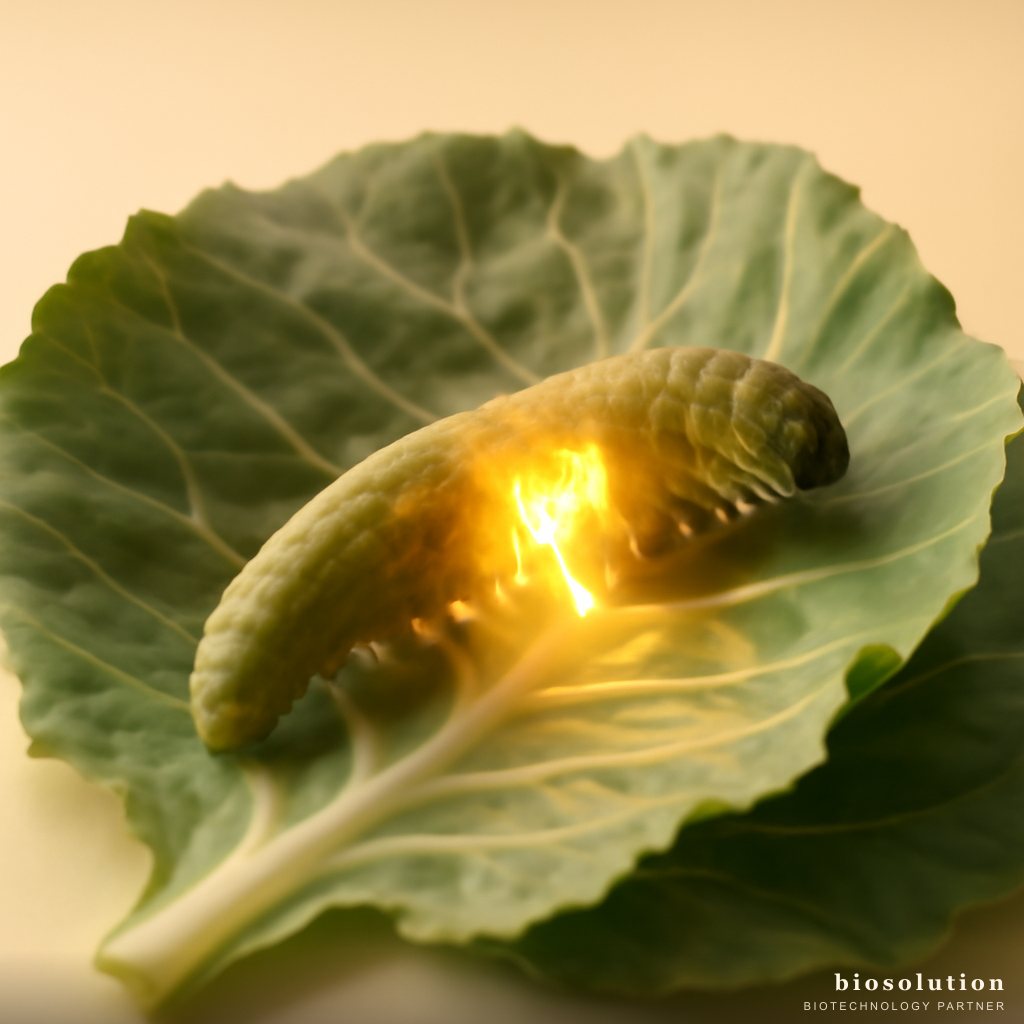
Understanding the mechanism of action is crucial to avoid mistakes. Spores of Beauveria bassiana and Metarhizium anisopliae adhere to the insect cuticle, then produce protease and chitinase enzymes that penetrate the cuticle. Mycelium grows inside the host body, producing toxins (beauvericin, destruxin) that kill the insect within 3-7 days. Insect cadavers covered with white mycelium (for Beauveria) or green mycelium (for Metarhizium) produce new spores that spread to other insects. This process is highly influenced by humidity and temperature.
Case Study: Successful Proper Application in Cocoa Plantations
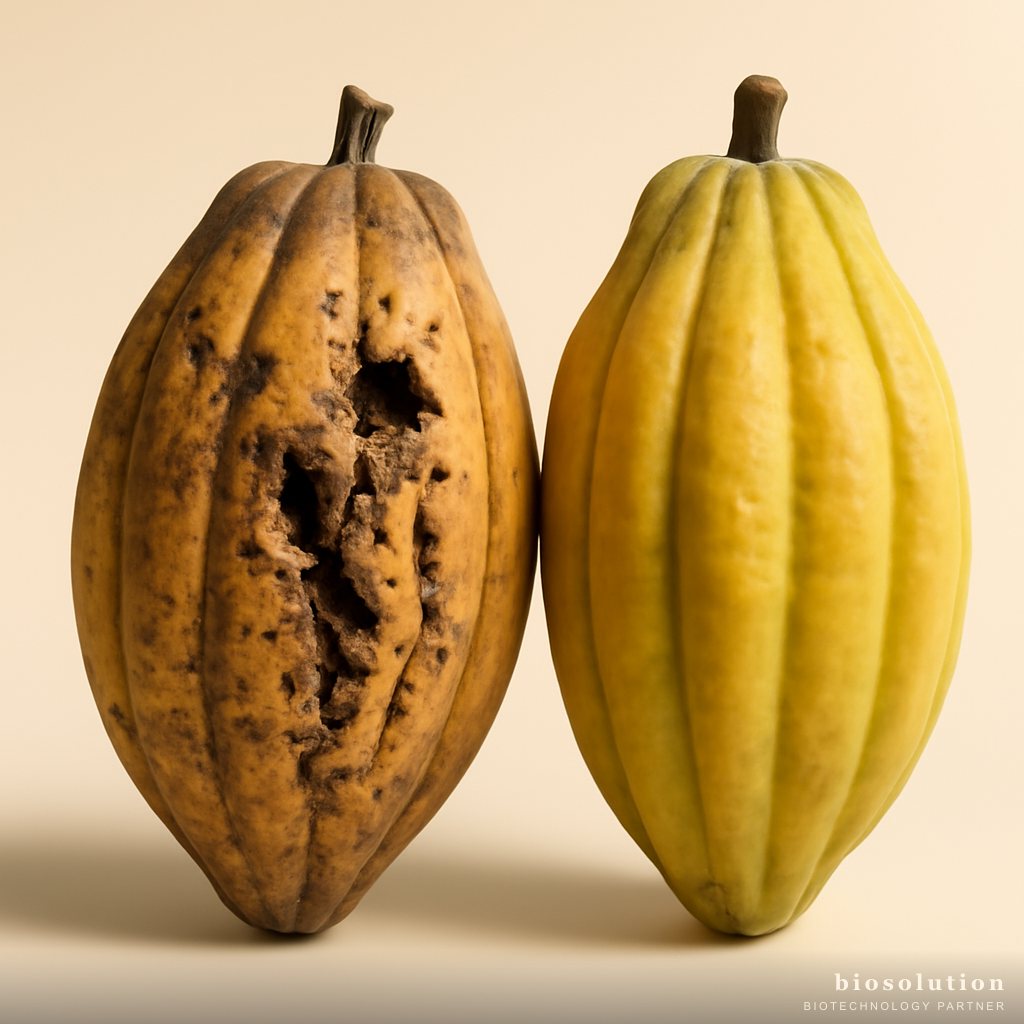
In cocoa plantations in Central Sulawesi, farmers previously failed to control cocoa pod borer (CPB) with entomopathogens due to daytime application. After following Biosolution's recommendations — afternoon application at 3 ml/L dosage and 500 L/ha spray volume every 7 days — CPB populations dropped by 70% within 3 weeks. This success confirms that correct application technique is key to integrated IPM biocontrol.
Compatibility with Other IPM Components
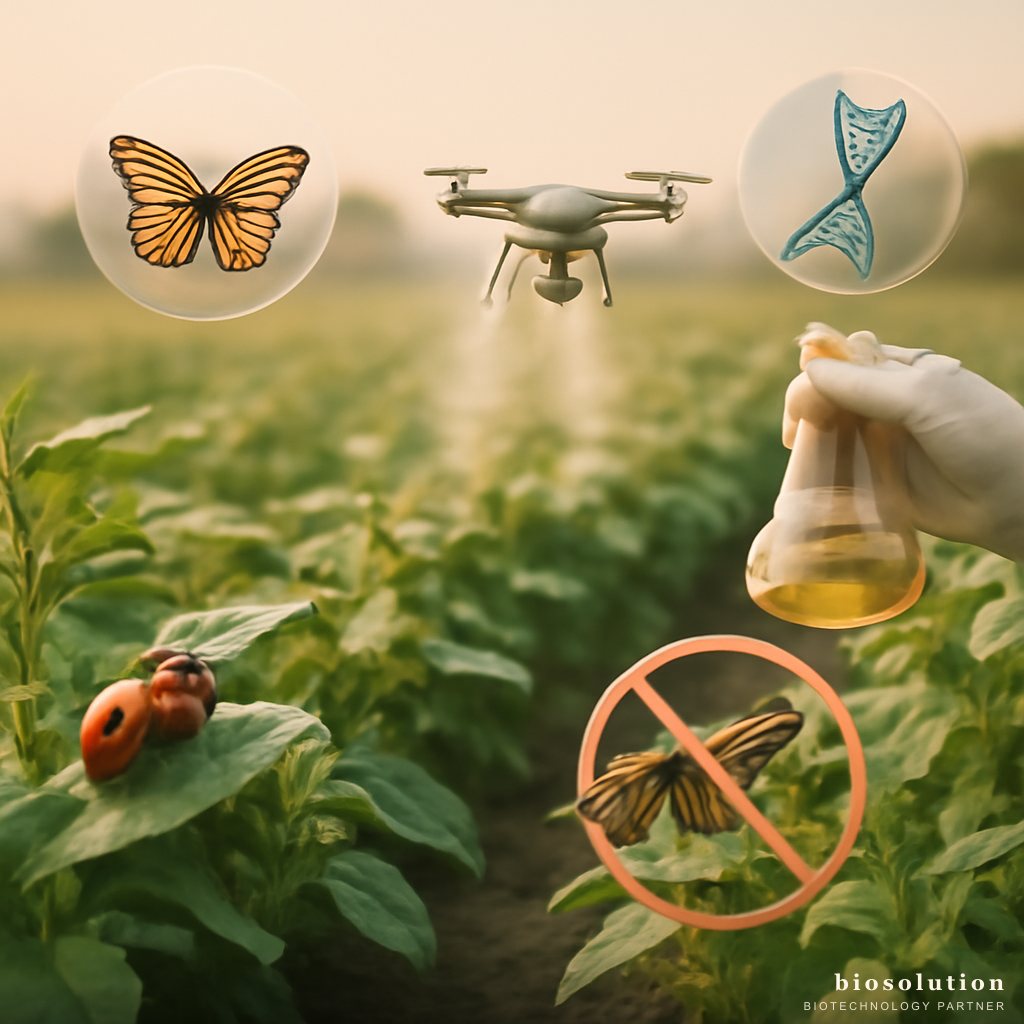
Integrated IPM biocontrol does not rely solely on entomopathogens. Biosolution products are compatible with other biological agents such as Trichoderma spp. for soil disease control, and can be combined with botanical insecticides (e.g., neem) and light traps. Avoid mixing with copper- or sulfur-based chemical fungicides as they can inhibit spores. For optimal results, integrate with cultural practices (sanitation, pruning) and resistant varieties.
Conclusion
Integrated IPM biocontrol using entomopathogens like Beauveria bassiana and Metarhizium anisopliae is highly effective when applied correctly. Avoid the 5 mistakes above: incorrect timing, disproportionate dosage, wrong pest stage, poor storage, and lack of reapplication. By following the technical guidelines from Biosolution's Broad-Spectrum Biological Insecticide Formula product, 80–85% efficacy can be consistently achieved. For further consultation on integrated IPM biocontrol strategies, contact the Biosolution technical team via WhatsApp.
Broad-Spectrum Biological Insecticide Formula is the right solution for integrated pest management. Also see Anti-Armyworm Formula for Rice & Corn for specific protection of food crops.
External references: IPM Guidelines from the Indonesian Ministry of Agriculture (link) and IRRI publications on entomopathogens (link).