Anti Bactrocera Fruit Fly: 7 Fatal Mistakes When Applying Entomopathogens on Mango and Guava
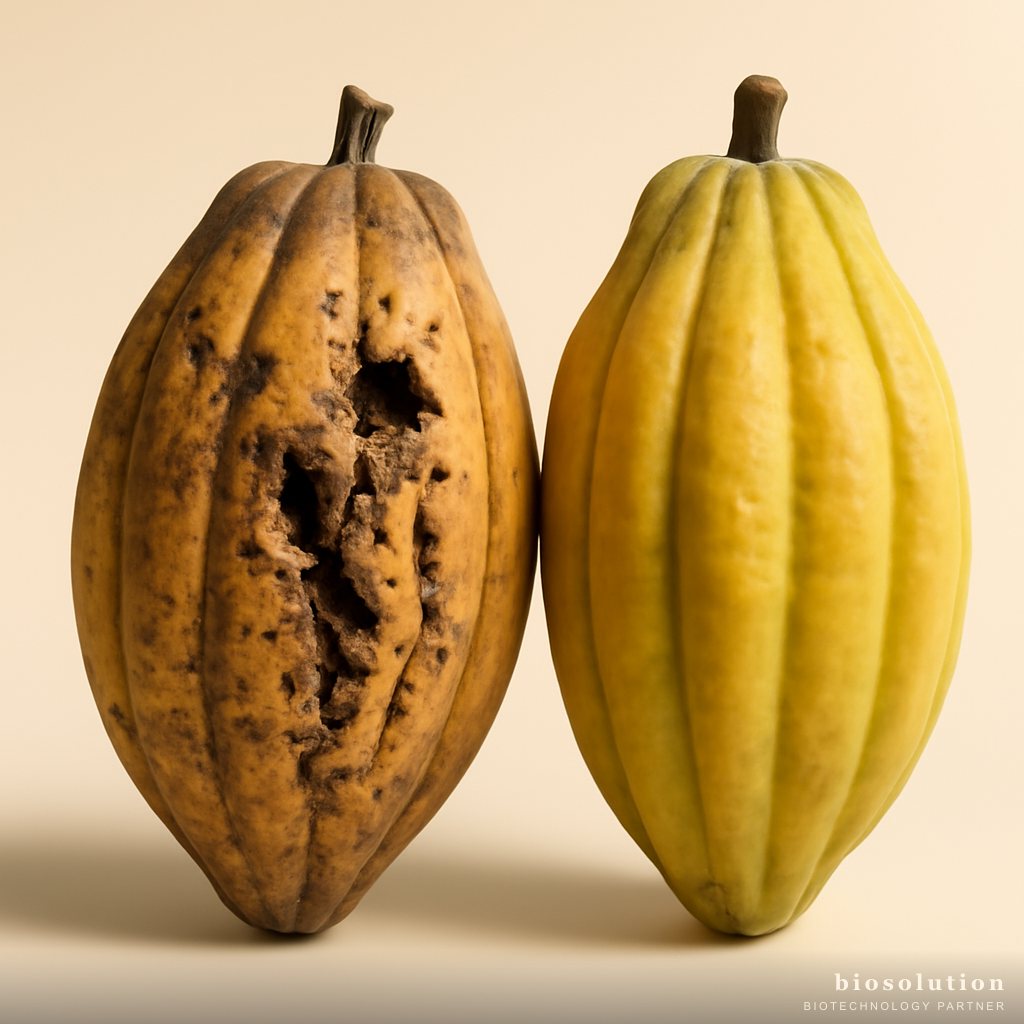
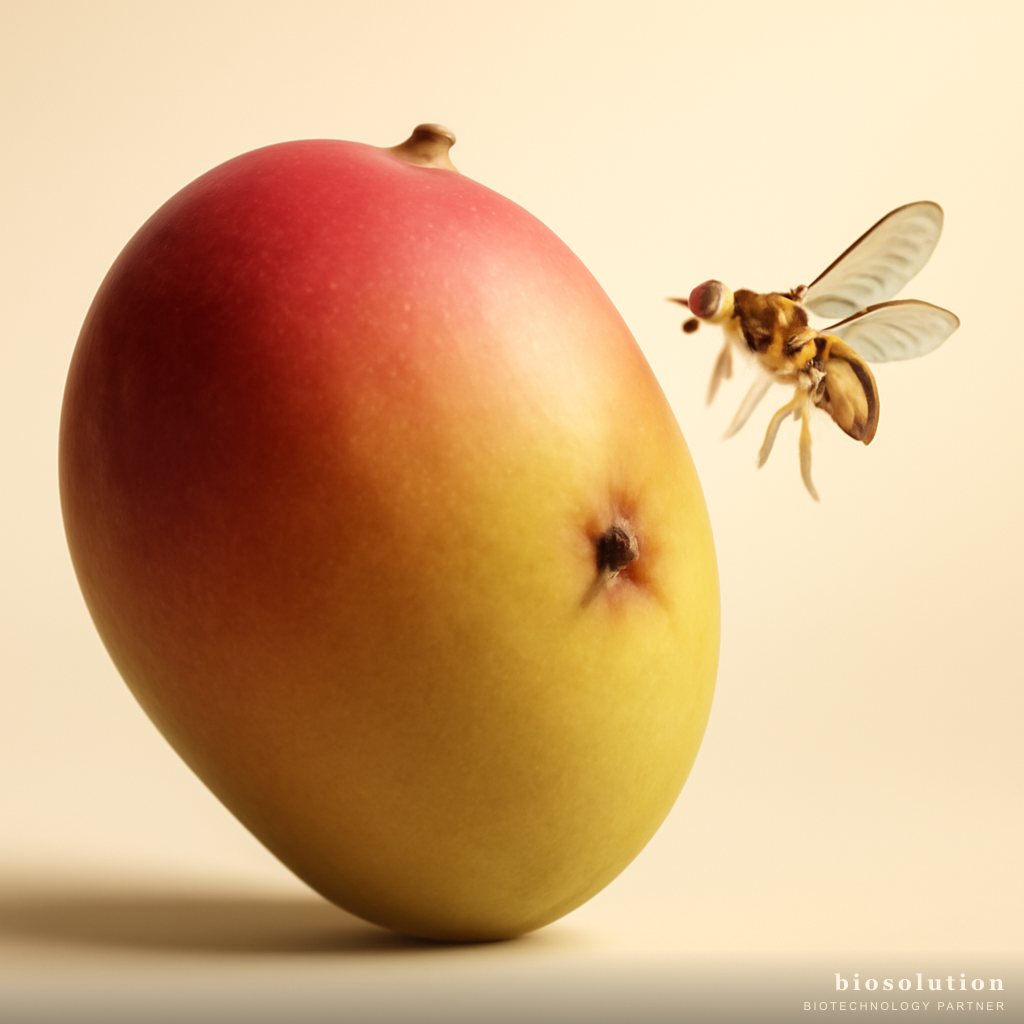
Fruit flies Bactrocera spp. are major pests of mango and guava plants in Indonesia. Their attacks cause fruit rot, drop, and crop failure. The use of entomopathogens such as Metarhizium anisopliae is an environmentally friendly and effective solution for controlling Bactrocera fruit flies. However, many farmers still make application mistakes, resulting in suboptimal outcomes. This article will discuss 7 fatal mistakes when applying entomopathogen-based anti Bactrocera fruit fly treatments and the correct ways to address them.
1. Misunderstanding the Fruit Fly Life Cycle
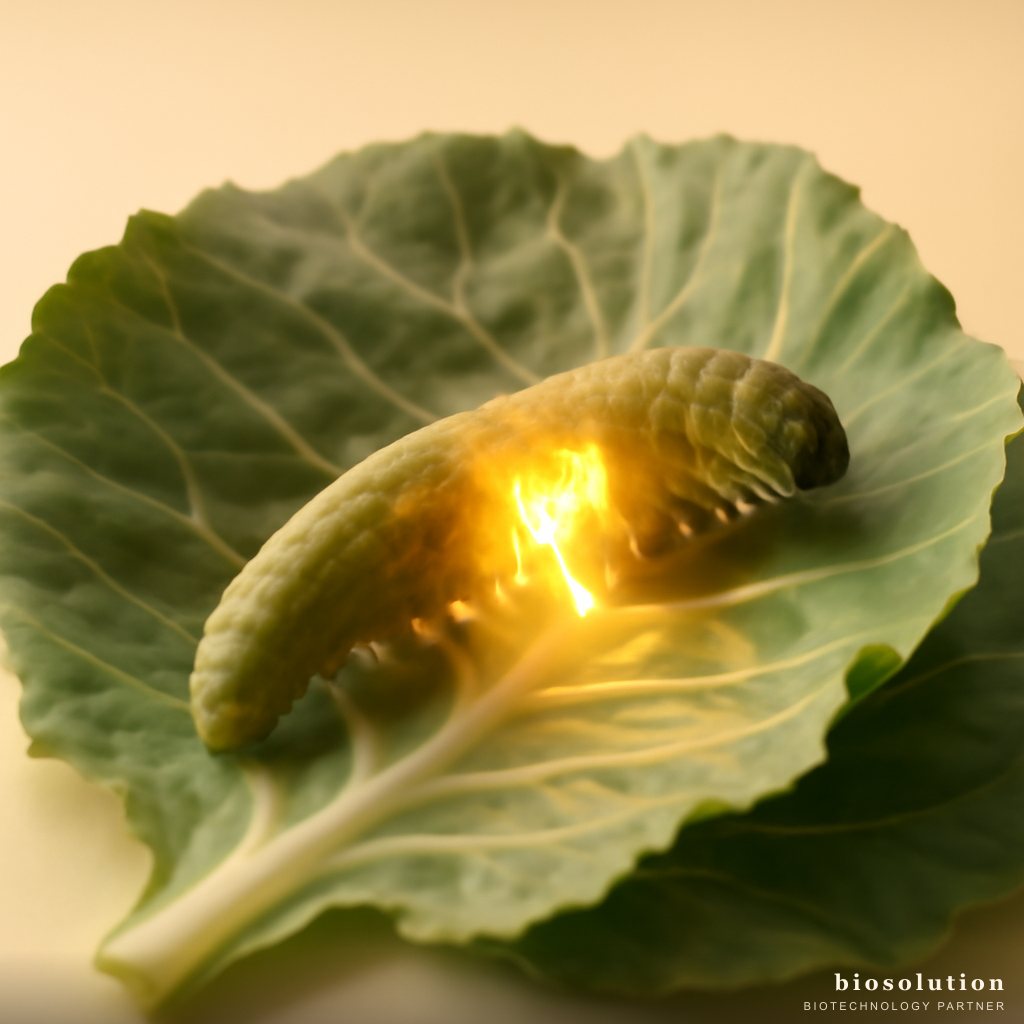
The first mistake is not understanding that Bactrocera fruit flies have a pupal stage in the soil. Farmers often focus only on spraying fruit or leaves, whereas the entomopathogen Metarhizium anisopliae effectively infects pupae in the soil. Female fruit flies lay eggs inside the fruit, then larvae fall to the ground and become pupae. If the soil is not treated, the cycle continues. Therefore, anti Bactrocera fruit fly application should target the soil around the tree trunk, not the fruit. Biosolution designed the Anti-Fruit Fly Formula to be applied to the soil to break the pest's life cycle.
2. Incorrect Application Timing
Metarhizium anisopliae is sensitive to UV light and high temperatures. Application during the hot midday sun will kill spores before they can infect pupae. A common mistake is watering the soil between 10 AM and 2 PM. The best times are early morning (before 9 AM) or late afternoon (after 4 PM). Lower soil temperature and higher humidity help spores germinate and infect fruit fly pupae. By following the application guidelines for the Anti-Fruit Fly Formula, farmers can maximize its effectiveness.
3. Non-Standard Dosage and Spray Volume
Many farmers use arbitrary dosages, either too dilute or too concentrated. For the Anti-Fruit Fly Formula, the recommended dosage is 5 ml per liter of water, with a volume of 1 liter per tree. Application is done every 30 days. If the dosage is too low, there are not enough spores to infect all pupae. Conversely, excessive dosage does not linearly increase effectiveness and only wastes product. Ensure proper measuring tools (measuring cup or spoon) are used and the solution is stirred until homogeneous before applying to the soil around the tree trunk.
4. Ignoring Soil Conditions
Soil that is too dry or too wet can hinder entomopathogen activity. Metarhizium anisopliae requires soil moisture around 60-80% to grow and infect pupae. If the soil is dry, water it with plain water a few hours before application. Conversely, if the soil is waterlogged, spores may die due to lack of oxygen. Ensure good drainage and apply when the soil is moist but not muddy. Farmers should also clear weeds around the tree trunk so spores make direct contact with the soil.
5. Neglecting Orchard Sanitation
Entomopathogens are not a standalone solution. If the orchard is full of scattered rotten fruit, fruit flies will continue to breed. A fatal mistake is relying solely on anti Bactrocera fruit fly application without cleaning up infection sources. Infested fruit should be collected and buried deep (at least 50 cm) or soaked in soapy water to kill larvae. Regular orchard sanitation significantly reduces fruit fly populations and makes entomopathogens more effective.
6. Not Combining with Other Methods
Biological control should be integrated with other practices such as using attractant traps (methyl eugenol) and natural enemies. Some farmers expect entomopathogens alone to eradicate fruit flies 100%, but an integrated approach is more successful. For example, set traps to monitor populations and reduce adult fly numbers, then apply entomopathogens to the soil to break the pupal cycle. This drastically reduces pest pressure. Biosolution encourages farmers to implement environmentally friendly Integrated Pest Management (IPM).
7. Improper Product Storage and Handling
Metarhizium anisopliae is a living organism. If stored in a hot place or exposed to direct sunlight, spores will die. A common mistake is storing the product in a car or warehouse with high temperatures. Store the Anti-Fruit Fly Formula in a cool, dry place (temperature 4-10°C is ideal, or at least below 30°C). Do not freeze. Once the solution is prepared, use it immediately (within 2 hours) because spores begin to germinate in water. Do not store the solution for the next day. With proper handling, spore viability remains high until the expiration date.
Conclusion
Controlling Bactrocera fruit flies on mango and guava requires precision and understanding of the pest's life cycle. Avoid the 7 mistakes above to ensure effective application of Metarhizium anisopliae entomopathogen. Use Anti-Fruit Fly Formula from Biosolution with the correct dosage and timing. For further consultation, contact our technical team via WhatsApp. With proper management, your fruit harvest will be free from fruit fly attacks and ready for export.
FAQ
1. What is Bactrocera fruit fly and how does it work?
Bactrocera fruit fly is a pest insect that attacks fruits like mango and guava. Females puncture fruit to lay eggs, then larvae feed on the flesh, causing rot. Pupae develop in the soil. Entomopathogens like Metarhizium anisopliae infect pupae in the soil, breaking the life cycle.
2. Is the Anti-Fruit Fly Formula safe for plants and the environment?
Yes, this product is based on the entomopathogenic fungus Metarhizium anisopliae, which specifically infects pest insects and is harmless to plants, humans, animals, or beneficial insects like bees. It is suitable for organic farming and helps meet export standards.
3. How many applications of Anti-Fruit Fly Formula are needed in one growing season?
Application is done every 30 days. For a mango growing season of about 4-6 months, 4-6 applications are needed. Start application when fruit begins to form (after flowering) until harvest. Consistency is crucial to suppress fruit fly populations.
4. Can Anti-Fruit Fly Formula be used together with chemical pesticides?
It is best not to mix with fungicides or bactericides as they can kill Metarhizium spores. If chemical pesticides are necessary, allow at least 3 days before or after entomopathogen application. Certain insecticides may also affect spore viability.
5. Is this product effective against all types of fruit flies?
The Anti-Fruit Fly Formula is specifically formulated to control fruit flies of the genus Bactrocera, including B. dorsalis, B. carambolae, and B. papayae. For other species, effectiveness needs further testing. Consult local experts for recommendations.